The Cost of Compromise: A Deeper Look at Ezra 10:18
“And among the sons of the priests there were found that had taken strange wives: namely, of the sons of Jeshua the son of Jozadak, and his brethren; Maaseiah, and Eliezer, and Jarib, and Gedaliah.” — Ezra 10:18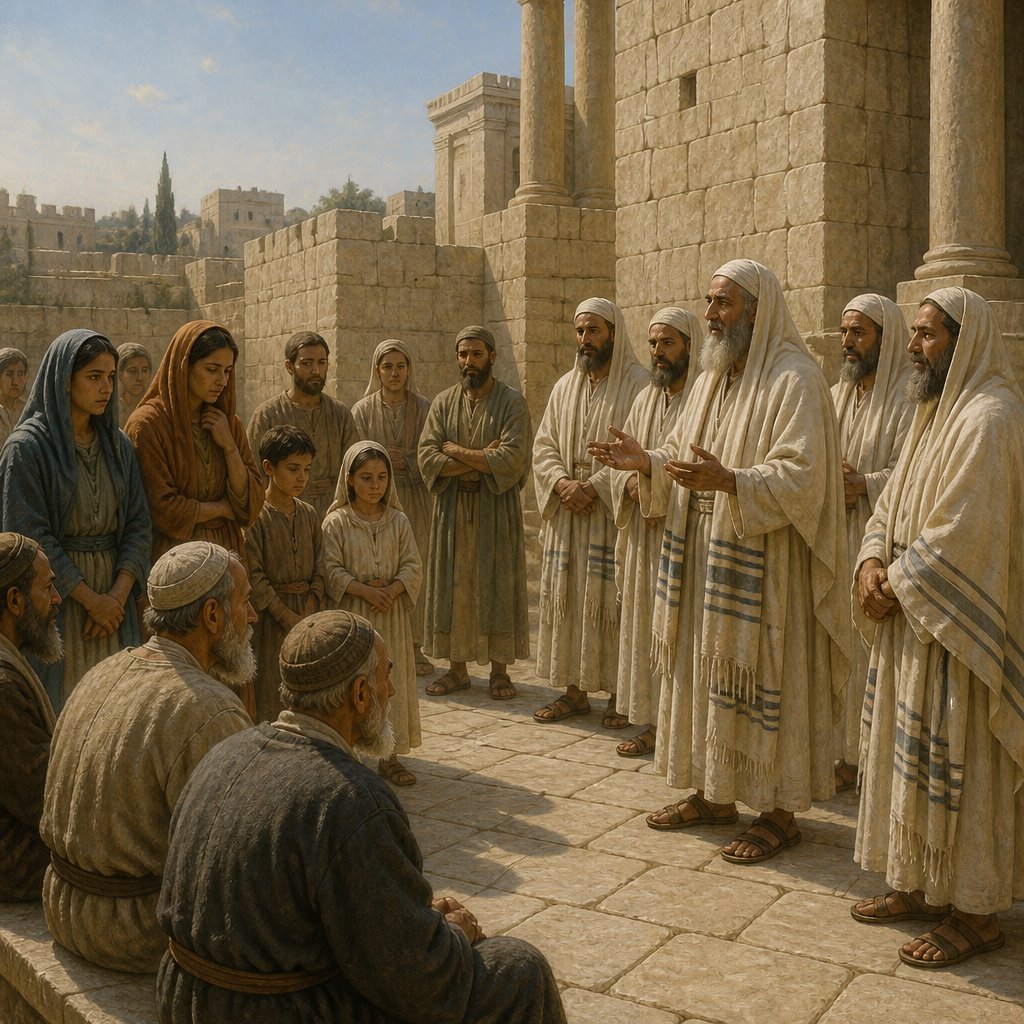
The story of Ezra in the Old Testament offers profound lessons about fidelity, purity, and the cost of spiritual compromise. In Ezra 10:18, the Scripture tells us, "And among the sons of the priests there were found that had taken strange wives: namely, of the sons of Jeshua the son of Jozadak, and his brethren; Maaseiah, and Eliezer, and Jarib, and Gedaliah." This verse not only sheds light on the immediate crisis faced by the Israelite community returning from Babylonian exile but also speaks loudly to us today regarding our commitments and relationships.
As we delve into the context of this verse, we must understand that the Israelites were returning to Jerusalem after years of exile, tasked with rebuilding their community and restoring their covenant with God. However, upon their return, the leaders discovered that some of their priests – those who were supposed to be spiritual leaders – had compromised their calling by marrying foreign women. This act of marrying "strange wives" is significant: these women were from nations with different beliefs and practices, which posed a serious threat to the spiritual integrity of the Israelite community.
In the Biblical history, marriage is more than just a social contract; it is a sacred bond intended to mirror the relationship between God and His people. The priests were called to exemplify holiness and righteousness, and here, we see a breach of that calling. It is a reminder of how easily we can slip into compromise – where we, too, may forge connections that could lead us away from our purpose and calling.
What does this mean for us today? First, we should recognize that every relationship carries weight and significance. The people we choose to associate with—friends, companions, and even mentors—south can either draw us closer to God's purposes or lead us away from them. It prompts us to ask, are we building relationships that honor God and uplift our spiritual walk, or are we allowing relationships that lead us into compromising positions?
Moreover, we should reflect on the courage needed to address compromise. Ezra's leadership in confronting the issue at hand was not easy. It took boldness to confront these leaders, and this is a call for us to stand firm against the tide of cultural compromise. It can be uncomfortable to challenge or renounce relationships that do not align with our faith values, but it is crucial for spiritual health. This refusal to compromise is not an act of condemnation but an expression of valuing righteousness and a deep love for God.
Looking deeper, the specific mention of the sons of the priests—Jeshua, Maaseiah, Eliezer, Jarib, and Gedaliah—illustrates the weight of legacy. Their familial ties didn’t exempt them from accountability; if anything, it heightened it. As leaders, they were held to a higher standard, and their actions had ramifications for those they led. This emphasizes the truth that our decisions send ripples through our families and communities, posing a challenge: how do our daily choices reflect the grace and holiness to which God has called us?
Finally, we should take comfort in the redemptive plan of God. The narrative of Ezra culminates in repentance, restoration, and a recommitment to God’s ways. As we reflect on Ezra 10:18, let it remind us that no matter where we have compromised, we can turn back to God. His arms are open wide, inviting us to repent and realign our lives with His will.
In conclusion, Ezra 10:18 serves as a wake-up call to each of us. Let us strive for relationships centered around faith, exercise the courage to confront compromise, recognize the weight of our actions within our communities, and rejoice in the redemptive hope found in returning to our God who restores. May we be a people who honor our commitments, maintain our spiritual purity, and bear witness to the goodness of God in our lives.
Get our apps


Artwork for Ezra 10:18

Ezra 10:18 - "¶ And among the sons of the priests there were found that had taken strange wives: namely, of the sons of Jeshua the son of Jozadak, and his brethren; Maaseiah, and Eliezer, and Jarib, and Gedaliah."
"¶ And among the sons of the priests there were found that had taken strange wives: namely, of the sons of Jeshua the son of Jozadak, and his brethren; Maaseiah, and Eliezer, and Jarib, and Gedaliah." - Ezra 10:18

Ezra 10:10-12

Ezra 10:10 - "And Ezra the priest stood up, and said unto them, Ye have transgressed, and have taken strange wives, to increase the trespass of Israel."
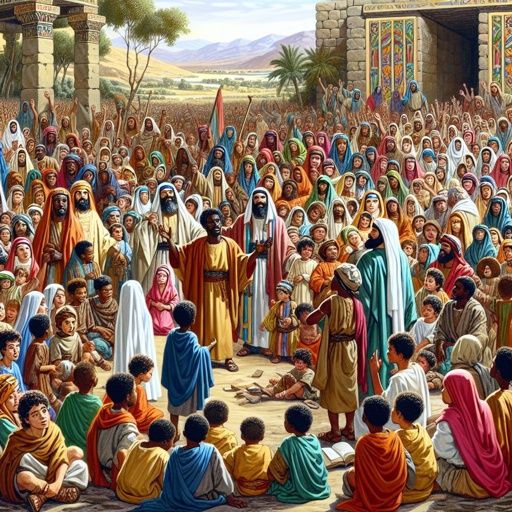
Ezra 2:18 - "The children of Jorah, an hundred and twelve."

Ezra 10:3

Ezra 3:10

Ezra 10:3

Ezra 10:5 - "Then arose Ezra, and made the chief priests, the Levites, and all Israel, to swear that they should do according to this word. And they sware."

Ezra 7:10 - "For Ezra had prepared his heart to seek the law of the LORD, and to do it, and to teach in Israel statutes and judgments."

Ezra 10:38 - "And Bani, and Binnui, Shimei,"

Ezra 10:37 - "Mattaniah, Mattenai, and Jaasau,"

Ezra 10:40 - "Machnadebai, Shashai, Sharai,"

Ezra 10:32 - "Benjamin, Malluch, and Shemariah."

Ezra 10:36 - "Vaniah, Meremoth, Eliashib,"

Ezra 10:35 - "Benaiah, Bedeiah, Chelluh,"

Ezra 10:42 - "Shallum, Amariah, and Joseph."

Ezra 10:41 - "Azareel, and Shelemiah, Shemariah,"

Ezra 10:39 - "And Shelemiah, and Nathan, and Adaiah,"

Ezra 10:20 - "And of the sons of Immer; Hanani, and Zebadiah."

Ezra 10:34 - "Of the sons of Bani; Maadai, Amram, and Uel,"
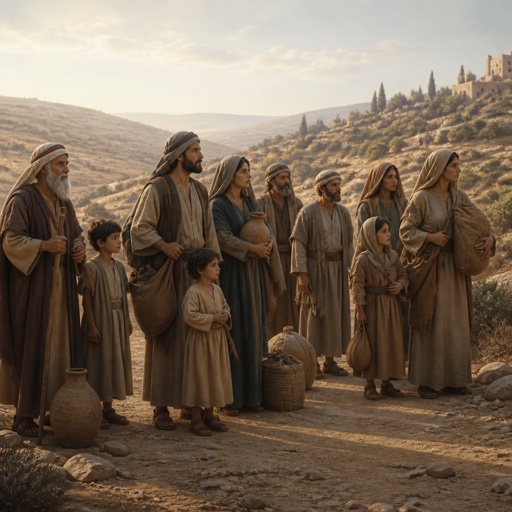
"The children of Jorah, an hundred and twelve." - Ezra 2:18

Ezra 2:10 - "The children of Bani, six hundred forty and two."

Ezra 10:21 - "And of the sons of Harim; Maaseiah, and Elijah, and Shemaiah, and Jehiel, and Uzziah."

Ezra 10:24 - "Of the singers also; Eliashib: and of the porters; Shallum, and Telem, and Uri."

Ezra 10:28 - "Of the sons also of Bebai; Jehohanan, Hananiah, Zabbai, and Athlai."

Ezra 10:31 - "And of the sons of Harim; Eliezer, Ishijah, Malchiah, Shemaiah, Shimeon,"

"Azareel, and Shelemiah, Shemariah," - Ezra 10:41

"And Bani, and Binnui, Shimei," - Ezra 10:38

"And Shelemiah, and Nathan, and Adaiah," - Ezra 10:39