Restoration through Obedience: Reflecting on Ezra 10:40
“Machnadebai, Shashai, Sharai,” — Ezra 10:40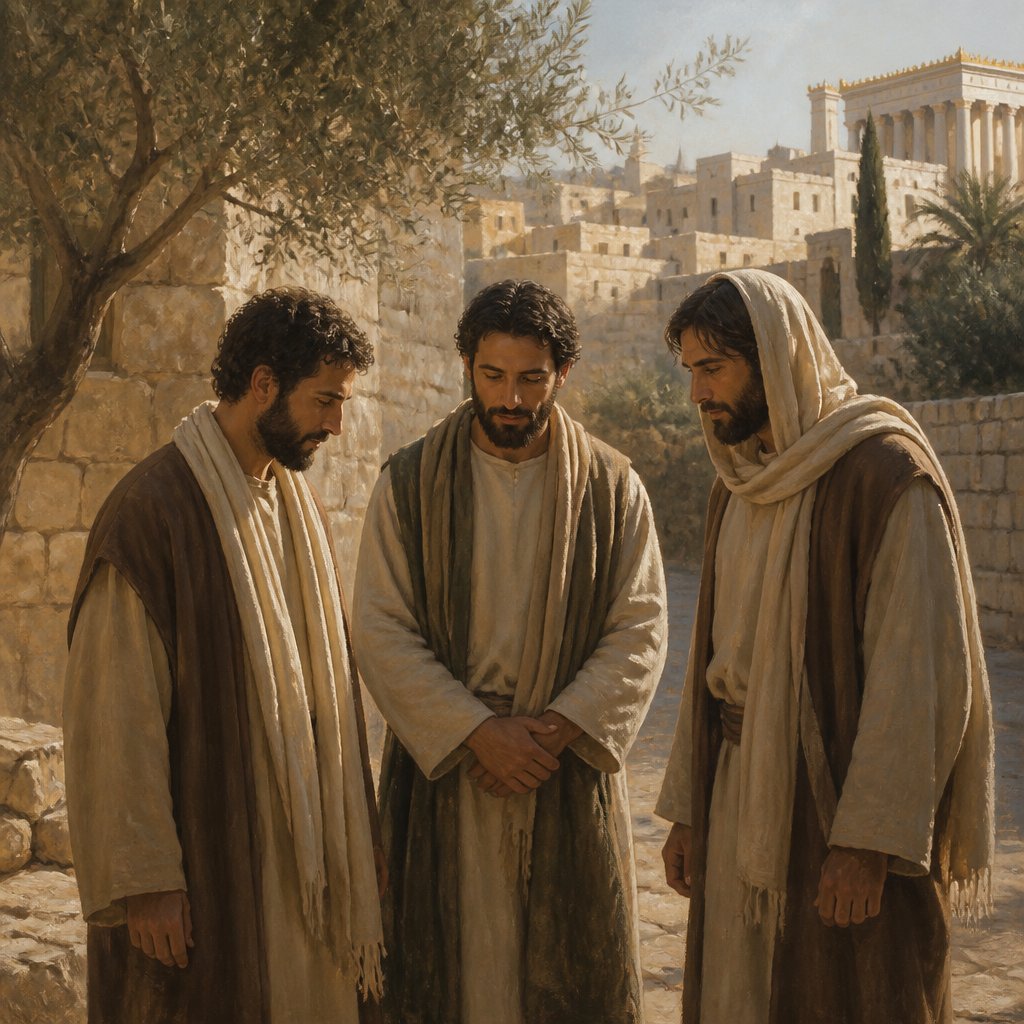
The book of Ezra is a profound narrative of restoration and revival among the Jewish people after their return from exile. In the midst of this narrative, we encounter a verse that may seem small but carries immense significance. Ezra 10:40 states, "Machnadebai, Shashai, Sharai." This declaration at the conclusion of a list of names underscores the importance of community, identity, and obedience to God's calling in our lives.
To fully appreciate this passage, we must first understand the context. The Israelites have returned from Babylonian captivity, and Ezra has been sent to teach the laws of God and lead the people back into a covenant relationship with Him. The community was facing the challenging consequences of their previous sins, particularly regarding intermarriage with foreign tribes and the subsequent dilution of their identity as God's chosen people.
As we read the names listed in this verse, they represent more than individuals; they symbolize the collective contribution to the community’s repentance and commitment to restoration. In ancient cultures, names were significant, often reflecting character, lineage, or God’s faithfulness. Here, Machnadebai, Shashai, and Sharai are not mere footnotes; they embody the heart of the revival that Ezra sought to ignite among the people of Israel.
Their inclusion in the scriptures prompts us to reflect on our identities and the roles we play within our communities. Are we, like these individuals, committed to obeying God's commandments and standing firm in our faith amidst societal pressures? The revival sparked by Ezra was fueled by a return to righteousness and a collective acknowledgment of their need for God's forgiveness. This restoration process was not just an individual journey but a communal effort that involved every believer.
In times of temptation or adversity, it is easier to succumb to the tendencies of the world. However, the names mentioned in Ezra 10 remind us of the importance of collective accountability in our faith. We are called to walk alongside one another, holding each other accountable as we strive toward holiness and divine purpose. Just as these individuals took a stand during a difficult season in their history, we too are called to rise up against the challenges we face today, leaning on our brothers and sisters in faith for support.
Moreover, the act of listing names signifies recognition and remembrance. Each name links us to our past, the history of our faith, and the promises of God. When we read these names, we are reminded of the seriousness of covenant relationships—not just with God but also with one another. Hebrews 10:24-25 exhorts us to spur one another on toward love and good deeds, not giving up meeting together, as some are in the habit of doing, but encouraging one another. This principle forges a bond of unity among believers, reinforcing our commitment to God’s will and each other.
As we meditate on this verse, let us ask ourselves: how are we contributing to our communities today? Are we finding ways to support and uplift our fellow believers, especially in times of sorrow or hardship? The revival Ezra initiated required effort from everyone involved, echoing the biblical truth that we are the body of Christ, collectively achieving His purposes through our diverse gifts, backgrounds, and experiences.
Additionally, we must recognize that every name listed in the Bible represents a story of faith, trials, and redemption. This creates a sense of connection across generations of believers. Just as God was faithful to the people of Ezra’s time, He continues to be faithful to us today. As we enter into the rhythms of our daily lives, let us remain cognizant of our shared journey and the call to live out our faith actively, driving toward restoration of our hearts, communities, and relationships with God.
In conclusion, Ezra 10:40 encapsulates the essence of restoration through obedience, community, and accountability. In a culture that often promotes individualism, let us take to heart the importance of our names within the body of Christ, working together to fulfill God's mission in our lives and the lives of those around us. Let's honor our identity as beloved children and active participants in His redemptive story.
Get our apps


Artwork for Ezra 10:40

Ezra 10:40 - "Machnadebai, Shashai, Sharai,"

"Machnadebai, Shashai, Sharai," - Ezra 10:40

Ezra 2:40 - "¶ The Levites: the children of Jeshua and Kadmiel, of the children of Hodaviah, seventy and four."

Ezra 10:10-12

Ezra 10:10 - "And Ezra the priest stood up, and said unto them, Ye have transgressed, and have taken strange wives, to increase the trespass of Israel."

Ezra 10:3

Ezra 3:10

Ezra 10:3

Ezra 10:5 - "Then arose Ezra, and made the chief priests, the Levites, and all Israel, to swear that they should do according to this word. And they sware."

Ezra 7:10 - "For Ezra had prepared his heart to seek the law of the LORD, and to do it, and to teach in Israel statutes and judgments."
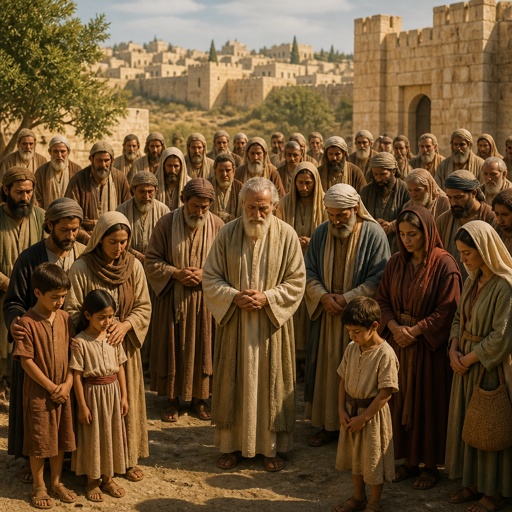
"¶ The Levites: the children of Jeshua and Kadmiel, of the children of Hodaviah, seventy and four." - Ezra 2:40

Ezra 10:38 - "And Bani, and Binnui, Shimei,"

Ezra 10:37 - "Mattaniah, Mattenai, and Jaasau,"

Ezra 10:32 - "Benjamin, Malluch, and Shemariah."

Ezra 10:36 - "Vaniah, Meremoth, Eliashib,"

Ezra 10:35 - "Benaiah, Bedeiah, Chelluh,"

Ezra 10:42 - "Shallum, Amariah, and Joseph."

Ezra 10:41 - "Azareel, and Shelemiah, Shemariah,"

Ezra 10:39 - "And Shelemiah, and Nathan, and Adaiah,"

Isaiah 40:10

Isaiah 40:10

Isaiah 40:10

Ezra 10:20 - "And of the sons of Immer; Hanani, and Zebadiah."

Ezra 10:34 - "Of the sons of Bani; Maadai, Amram, and Uel,"

Ezra 2:10 - "The children of Bani, six hundred forty and two."

Ezra 10:21 - "And of the sons of Harim; Maaseiah, and Elijah, and Shemaiah, and Jehiel, and Uzziah."

Ezra 10:24 - "Of the singers also; Eliashib: and of the porters; Shallum, and Telem, and Uri."

Ezra 10:28 - "Of the sons also of Bebai; Jehohanan, Hananiah, Zabbai, and Athlai."

Ezra 10:31 - "And of the sons of Harim; Eliezer, Ishijah, Malchiah, Shemaiah, Shimeon,"

"Azareel, and Shelemiah, Shemariah," - Ezra 10:41