"Ezra 10:40 (KJV) - And of the priests: the children of Habaiah, the children of Koz, the children of Barzillai, which took a wife of the daughters of Barzillai the Gileadite, and was called after their name."
The book of Ezra is an important historical and religious text that is part of the Hebrew Bible, known as the Tanakh, and the Christian Old Testament. It is set during the time of the Persian Empire and details the return of the exiled Israelites from Babylon to Jerusalem, as well as the rebuilding of the temple and restoration of the Jewish community. The specific verse, Ezra 10:40, is part of a list of those who had married foreign women and were now being required to divorce them as part of a national repentance for interfaith marriages.
In this verse, the focus is on the priests who had married women from outside of their Jewish community. The mention of the descendants of Habaiah, Koz, and Barzillai highlights the specific families and individuals who were involved in these marital relationships. The reference to taking a wife from the daughters of Barzillai the Gileadite reflects the practice of forming alliances and relationships with other groups, which was common in the ancient Near East.
The central theme of this passage is the importance of maintaining the purity of the Jewish community and faith. Interfaith marriages were seen as a threat to the religious and cultural identity of the Israelites, and this verse serves as a call to uphold the standards and practices of the Jewish faith. The emphasis on the priests in particular underscores the significance of leadership and the responsibility of maintaining religious integrity within the community.
The context of this verse is rooted in the historical and cultural dynamics of the post-exilic period. The Israelites, who had been taken into captivity in Babylon, were now trying to rebuild their lives and reestablish their religious identity in their homeland. The issue of interfaith marriages was a contentious one, as it challenged the traditional boundaries and unity of the Jewish people. The call for the priests to divorce their foreign wives was a drastic measure aimed at reaffirming the exclusivity of the Jewish faith and preventing the dilution of their beliefs.
Symbolism plays a significant role in this verse, particularly in the form of the names and lineages mentioned. Habaiah, Koz, and Barzillai represent the ancestral lines and familial connections that were highly valued in ancient Israelite society. The mention of Barzillai the Gileadite also carries symbolic weight, as it evokes the memory of a prominent figure from the Hebrew Bible who had supported King David. By referencing these names, the verse reinforces the idea of lineage, heritage, and the importance of maintaining a pure lineage within the community.
Overall, Ezra 10:40 (KJV) conveys a message of the necessity of upholding religious and cultural boundaries in the face of social and political challenges. It reflects the ongoing struggle of the Israelites to maintain their distinct identity and faith in the midst of external influences. The verse serves as a reminder of the significance of heritage, lineage, and the preservation of the Jewish faith, and it highlights the complex dynamics of interfaith relationships in the ancient world.
Get our apps


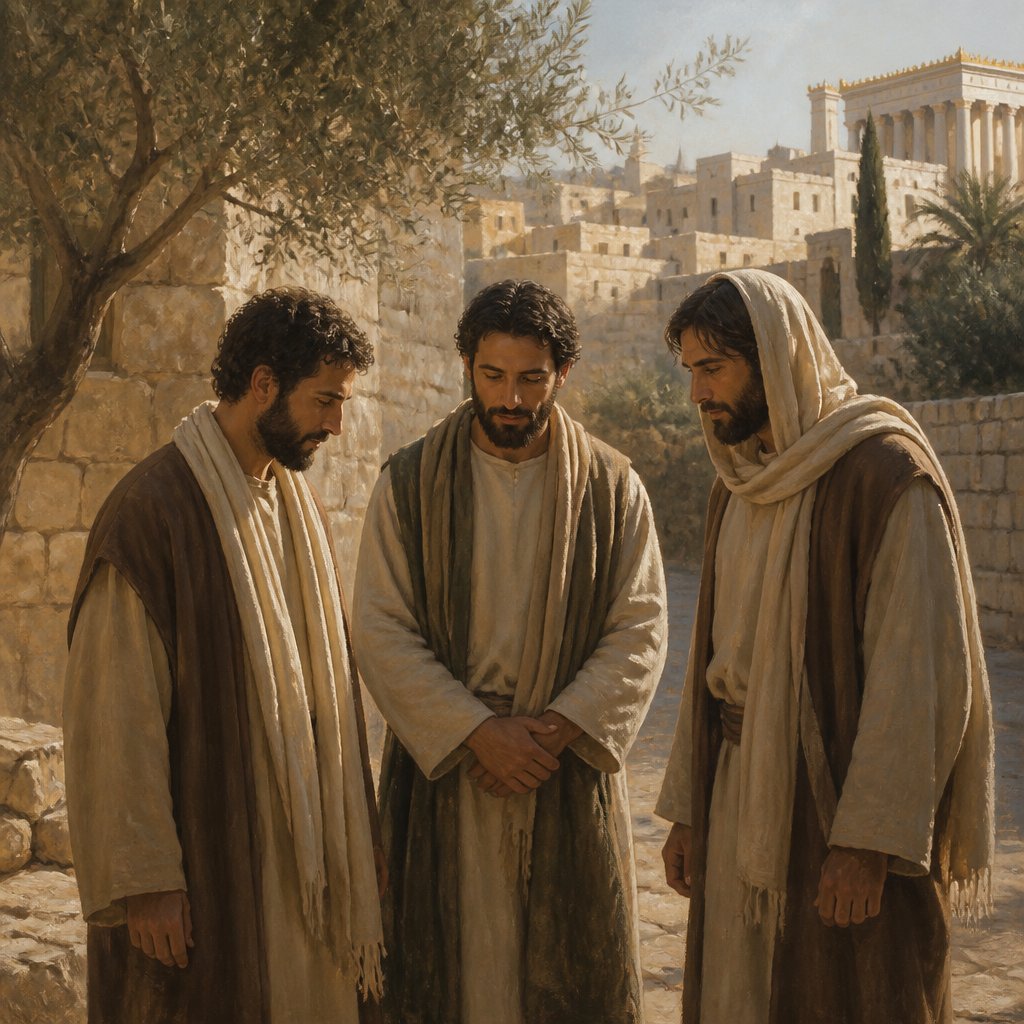
Artwork for Ezra 10:40

Ezra 10:40 - "Machnadebai, Shashai, Sharai,"

"Machnadebai, Shashai, Sharai," - Ezra 10:40

Ezra 2:40 - "¶ The Levites: the children of Jeshua and Kadmiel, of the children of Hodaviah, seventy and four."

Ezra 10:10-12

Ezra 10:10 - "And Ezra the priest stood up, and said unto them, Ye have transgressed, and have taken strange wives, to increase the trespass of Israel."

Ezra 10:3

Ezra 3:10

Ezra 10:3

Ezra 10:5 - "Then arose Ezra, and made the chief priests, the Levites, and all Israel, to swear that they should do according to this word. And they sware."

Ezra 7:10 - "For Ezra had prepared his heart to seek the law of the LORD, and to do it, and to teach in Israel statutes and judgments."
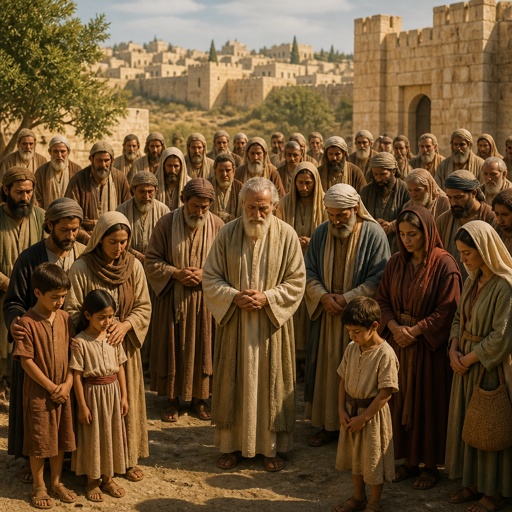
"¶ The Levites: the children of Jeshua and Kadmiel, of the children of Hodaviah, seventy and four." - Ezra 2:40

Ezra 10:38 - "And Bani, and Binnui, Shimei,"

Ezra 10:37 - "Mattaniah, Mattenai, and Jaasau,"

Ezra 10:32 - "Benjamin, Malluch, and Shemariah."

Ezra 10:36 - "Vaniah, Meremoth, Eliashib,"

Ezra 10:35 - "Benaiah, Bedeiah, Chelluh,"

Ezra 10:42 - "Shallum, Amariah, and Joseph."

Ezra 10:41 - "Azareel, and Shelemiah, Shemariah,"

Ezra 10:39 - "And Shelemiah, and Nathan, and Adaiah,"

Isaiah 40:10

Isaiah 40:10

Isaiah 40:10

Ezra 10:20 - "And of the sons of Immer; Hanani, and Zebadiah."

Ezra 10:34 - "Of the sons of Bani; Maadai, Amram, and Uel,"

Ezra 2:10 - "The children of Bani, six hundred forty and two."

Ezra 10:21 - "And of the sons of Harim; Maaseiah, and Elijah, and Shemaiah, and Jehiel, and Uzziah."

Ezra 10:24 - "Of the singers also; Eliashib: and of the porters; Shallum, and Telem, and Uri."

Ezra 10:28 - "Of the sons also of Bebai; Jehohanan, Hananiah, Zabbai, and Athlai."

Ezra 10:31 - "And of the sons of Harim; Eliezer, Ishijah, Malchiah, Shemaiah, Shimeon,"

"Azareel, and Shelemiah, Shemariah," - Ezra 10:41