The Journey of Restoration: Lessons from Ezra 2:2
“Which came with Zerubbabel: Jeshua, Nehemiah, Seraiah, Reelaiah, Mordecai, Bilshan, Mispar, Bigvai, Rehum, Baanah. The number of the men of the people of Israel:” — Ezra 2:2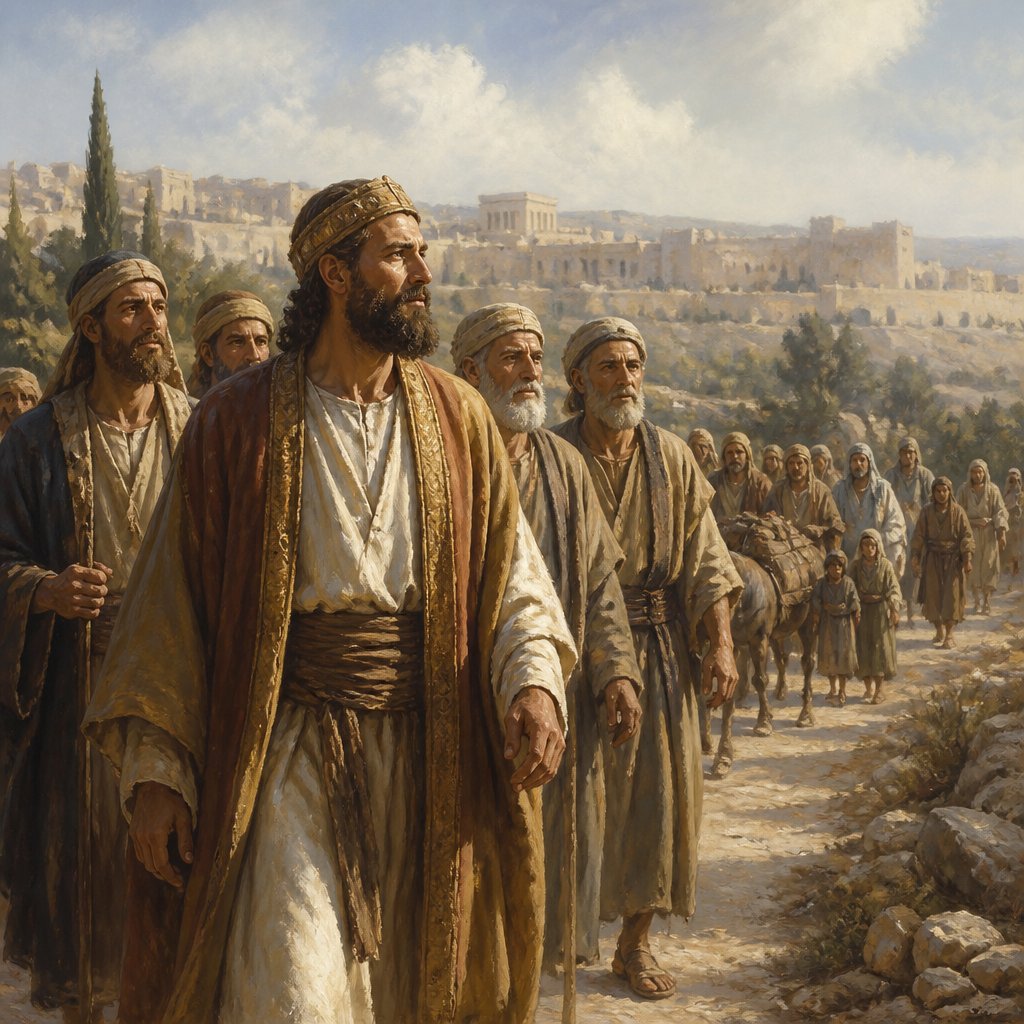
In the book of Ezra, we find a powerful narrative of restoration that took place after the Israelites found themselves in exile. Ezra 2:2 lists the names of those who returned to Jerusalem with Zerubbabel: "Which came with Zerubbabel: Jeshua, Nehemiah, Seraiah, Reelaiah, Mordecai, Bilshan, Mispar, Bigvai, Rehum, Baanah. The number of the men of the people of Israel."
This verse might appear to be merely a historical record or a genealogical account, but it holds much deeper significance that speaks to our spiritual journeys today. By examining the names included in this passage, we can unlock valuable lessons of faith, community, and the power of God’s restoration.
**The Importance of Names**
In biblical times, names were much more than mere labels; they carried meaning and often described the character or role of the individual. For instance, the name Jeshua (Joshua) means "Yahweh is salvation," which foreshadows the redemptive purpose of returning to Jerusalem. Nehemiah, whose name means "Yahweh comforts," embodies the comfort the returning community would need amidst the daunting task of rebuilding their city and temple. Each name represents a diverse collection of individuals, yet collectively they highlight a unified element of restoration in the aftermath of calamity.
**Community in Restoration**
Zerubbabel was a leader among them, symbolizing hope and renewal. The return of the exiles from Babylon to Jerusalem was not an individual endeavor but a community effort, exemplifying the importance of collaboration in our spiritual journeys. This verse shows us that the people of Israel came back as a collective, and no one was insignificant in this endeavor. Each individual had a unique role and purpose in the restoration process. Similarly, in the body of Christ today, we each have gifts and callings that contribute to the greater work of God’s kingdom. In trying times, we must remember that we are not alone; we are part of a vibrant community working together to bring about God’s purposes.
**Facing Challenges with Faith**
The Israelites returned to a city that lay in ruins, a direct consequence of their previous disobedience and the Babylonian conquest. They faced immense challenges and opposition. However, in the midst of this struggle, they chose to trust in God’s provision and leading. Each name mentioned in Ezra 2:2 reflects a faithful heart willing to persevere, embodying a spirit of resilience and commitment to God’s promises. In our lives, when faced with challenges, we can draw strength from the examples of those who came before us, affirming our faith in the One who is faithful to His promises.
**Restoration as a Process**
Returning to Jerusalem was just the beginning. The rebuilding of the temple, walls, and community took time, hard work, and unwavering faith. Similarly, our journeys toward personal restoration and healing may be gradual processes. We should not become disheartened by setbacks or seemingly slow progress. Just as those who returned under Zerubbabel learned to work together, we too must embrace the journey, trusting that each step is ordained and purposeful. God often uses the slow and steady rhythm of restoration to deepen our faith and transform our character.
**Conclusion**
As we reflect upon Ezra 2:2, let us be reminded that God is a God of restoration. He invites us to participate in His redemptive plan, just as the people of Israel joined with Zerubbabel to reclaim and rebuild. Each of us has a part to play in our community of faith. Let us embrace our names and roles in the story God is writing, standing firm in faith through the trials and challenges that come our way. May we, too, have the courage to return, rebuild, and restore, clinging to the hope that is found in Jesus Christ.
Get our apps


Artwork for Ezra 2:2

Ezra 2:2 - "Which came with Zerubbabel: Jeshua, Nehemiah, Seraiah, Reelaiah, Mordecai, Bilshan, Mispar, Bigvai, Rehum, Baanah. The number of the men of the people of Israel:"
"Which came with Zerubbabel: Jeshua, Nehemiah, Seraiah, Reelaiah, Mordecai, Bilshan, Mispar, Bigvai, Rehum, Baanah. The number of the men of the people of Israel:" - Ezra 2:2

Ezra 3:2

Ezra 3:2

Ezra 3:2

Ezra 3:2

Ezra 3:2

Zerubbabel in Ezra chapter 2

Ezra 9:1-2

Ezra 2:22 - "The men of Netophah, fifty and six."
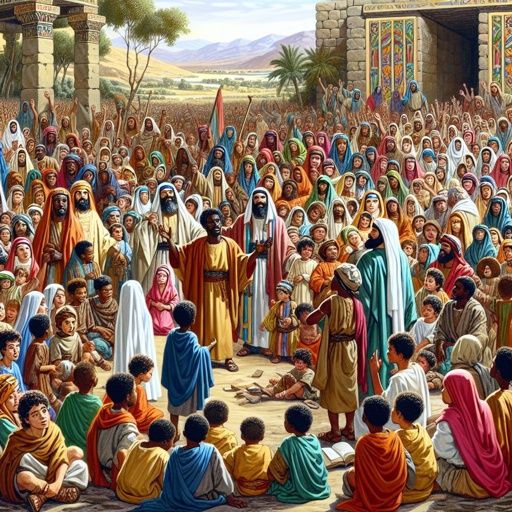
Ezra 2:18 - "The children of Jorah, an hundred and twelve."

Ezra 2:54 - "The children of Neziah, the children of Hatipha."

Ezra 2:20 - "The children of Gibbar, ninety and five."

Ezra 2:24 - "The children of Azmaveth, forty and two."

Ezra 2:39 - "The children of Harim, a thousand and seventeen."

Ezra 9:1-2

Ezra 2:29 - "The children of Nebo, fifty and two."

Ezra 2:9 - "The children of Zaccai, seven hundred and threescore."

Ezra 2:27 - "The men of Michmas, an hundred twenty and two."

Ezra 2:32 - "The children of Harim, three hundred and twenty."

Ezra 2:37 - "The children of Immer, a thousand fifty and two."

Ezra 2:30 - "The children of Magbish, an hundred fifty and six."

Ezra 2:16 - "The children of Ater of Hezekiah, ninety and eight."

Ezra 2:23 - "The men of Anathoth, an hundred twenty and eight."

Ezra 2:56 - "The children of Jaalah, the children of Darkon, the children of Giddel,"

Ezra 2:11 - "The children of Bebai, six hundred twenty and three."

Ezra 2:53 - "The children of Barkos, the children of Sisera, the children of Thamah,"

Ezra 2:48 - "The children of Rezin, the children of Nekoda, the children of Gazzam,"

Ezra 2:15 - "The children of Adin, four hundred fifty and four."

Ezra 7:2 - "The son of Shallum, the son of Zadok, the son of Ahitub,"