A New Dawn for Bethlehem: Embracing Our Roots and Rising Together
“The children of Beth-lehem, an hundred twenty and three.” — Ezra 2:21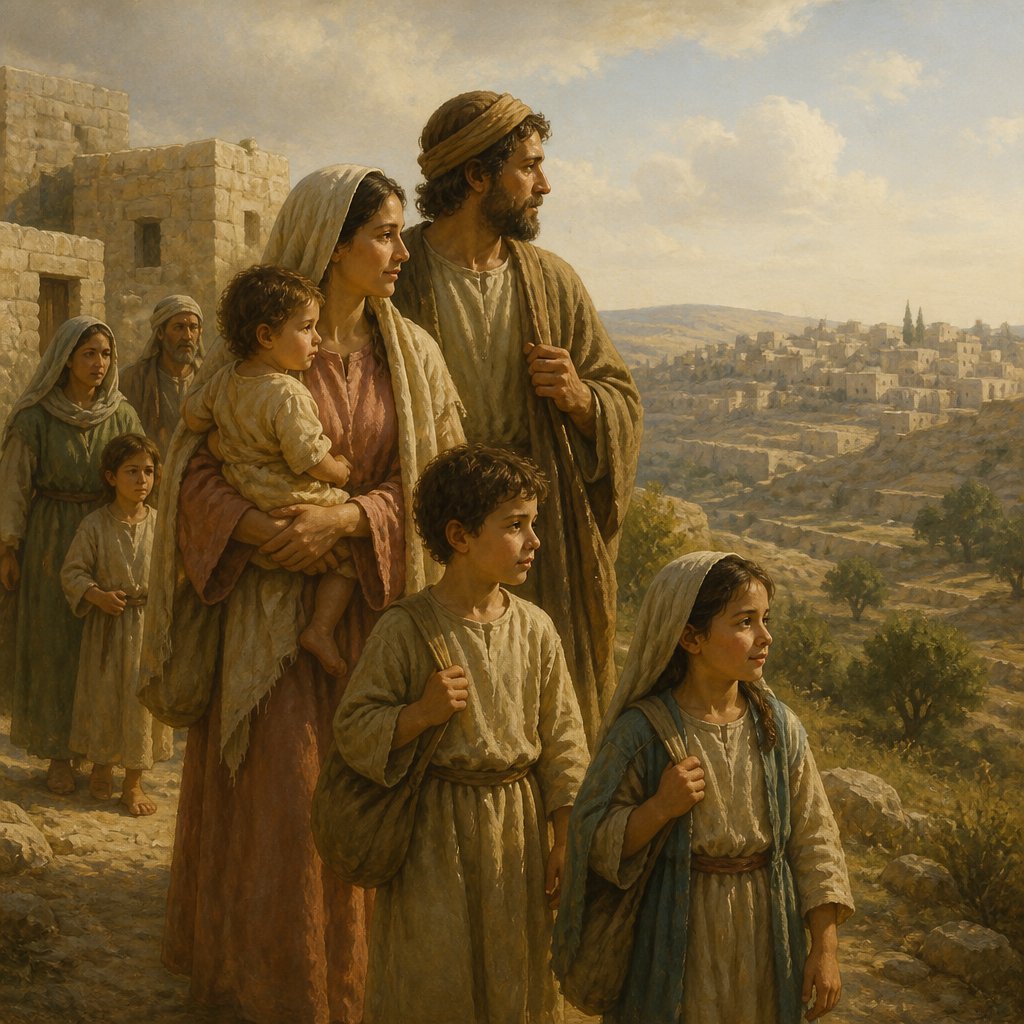
Ezra 2:21 states, "The children of Beth-lehem, an hundred twenty and three." At first glance, this verse may seem like a simple demographic note, a numerical record from a historical account often overlooked in our spiritual readings. However, there is profound depth in the mention of Bethlehem that encourages us to reflect on our identity and purpose in God’s grand narrative.
The journey of the Israelites returning from Babylonian exile was not only a physical reclamation of land but also a spiritual revival. It beckons each one of us today to consider the significance of our spiritual heritage and communal identity. The mention of "Beth-lehem" does not simply signify a geographic location; it represents a rich history of faith, struggle, and a promise of redemption. This small town, the birthplace of Jesus Christ, carries a weighty legacy. It symbolizes hope in despair; it brings to remembrance God’s unwavering faithfulness.
Bethlehem, which means "House of Bread,” serves as a beacon for us today. Like the faithful families recorded in Ezra, the children of Bethlehem had returned to witness the rebirth of their community. They were not deterred by the challenges ahead—the walls were broken, the temples needed repair, and the road ahead seemed daunting. In referencing their numbers, we are reminded of the power of community. Each family, represented in that count of 123, had a distinct part to play in rebuilding something magnificent. Together, they symbolized strength; together, they represented unity in diversity.
Just as the children of Bethlehem formed a collective, we too are called to live out our faith in community. This passage evokes a reflection on our roles in our own spiritual homes and the wider church body. Are we contributing to the construction of a vibrant community grounded in faith, love, and service? Like those 123 individuals returning to Bethlehem, are we bringing our unique gifts to the table, nourishing our communities and transforming the lives around us? The revival in Bethlehem teaches us that no contribution is too small; even in the face of adversity, our commitment and unity matter.
Moreover, this verse invites us to explore our roots. What does it mean to be a child of Bethlehem in our current context? Each believer is called to be a witness to the miracle of Christ born in our hearts, echoing the hope that originated in those humble beginnings. As citizens of the Kingdom of God, we too are agents of change, called to embody love, grace, and hospitality in a world that often seems fragmented.
The journey of rebuilding begins within us. The resilience demonstrated by the children of Bethlehem reflects a heart that is willing to invest in relationships, work through challenges, and remain steadfast in their purpose.
As we pause to reflect on our lives, let us ask ourselves how we are influencing our own Bethlehems. Are we nurturing our community spiritually, emotionally, and physically? When the world outside feels chaotic, we have the privilege to be the children of compassion, bringing light and love into dark places. Every moment provides an opportunity to reflect upon our actions and consider how they align with God’s purpose for us.
Let us carry forward the legacy of Bethlehem—where the mundane powerfully intertwines with the sacred. In doing so, let us look beyond ourselves and remember that our individual stories, when woven together through love and faith, can create a tapestry of hope that benefits generations to come. Together, let us rebuild, figuratively and literally, finding strength in numbers and commitment in community.
Today, as you reflect on Ezra 2:21, remember this: You are cherished and significant in God’s story. Together, we rise as the children of Bethlehem—united, steadfast, and bold.
Get our apps


Artwork for Ezra 2:21

Ezra 2:21 - "The children of Beth-lehem, an hundred twenty and three."

"The children of Beth-lehem, an hundred twenty and three." - Ezra 2:21

Ezra 8:21

Ezra 10:21 - "And of the sons of Harim; Maaseiah, and Elijah, and Shemaiah, and Jehiel, and Uzziah."

Ezra 7:21 - "And I, even I Artaxerxes the king, do make a decree to all the treasurers which are beyond the river, that whatsoever Ezra the priest, the scribe of the law of the God of heaven, shall require of you, it be done speedily,"

Ezra 3:2

Ezra 3:2

Ezra 3:2

Ezra 3:2

Ezra 3:2

Ezra 4:21 - "Give ye now commandment to cause these men to cease, and that this city be not builded, until another commandment shall be given from me."

Ezra 9:1-2

Zerubbabel in Ezra chapter 2

Ezra 2:22 - "The men of Netophah, fifty and six."
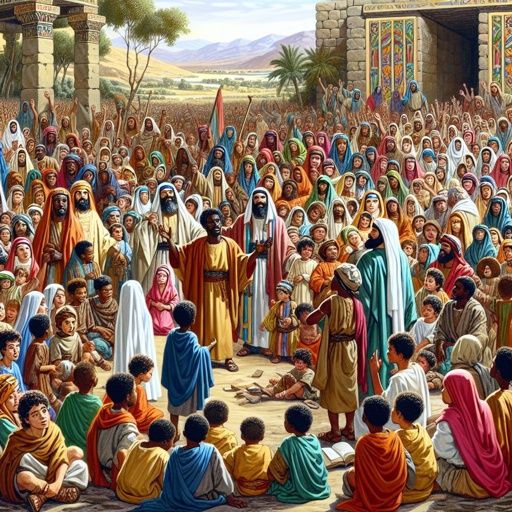
Ezra 2:18 - "The children of Jorah, an hundred and twelve."

Ezra 2:54 - "The children of Neziah, the children of Hatipha."

Ezra 2:20 - "The children of Gibbar, ninety and five."

Ezra 2:24 - "The children of Azmaveth, forty and two."

Ezra 2:39 - "The children of Harim, a thousand and seventeen."

"And of the sons of Harim; Maaseiah, and Elijah, and Shemaiah, and Jehiel, and Uzziah." - Ezra 10:21

Ezra 9:1-2

Ezra 2:9 - "The children of Zaccai, seven hundred and threescore."

Ezra 2:27 - "The men of Michmas, an hundred twenty and two."

Ezra 2:29 - "The children of Nebo, fifty and two."

Ezra 2:56 - "The children of Jaalah, the children of Darkon, the children of Giddel,"

Ezra 2:11 - "The children of Bebai, six hundred twenty and three."

Ezra 2:53 - "The children of Barkos, the children of Sisera, the children of Thamah,"

Ezra 2:45 - "The children of Lebanah, the children of Hagabah, the children of Akkub,"

Ezra 2:48 - "The children of Rezin, the children of Nekoda, the children of Gazzam,"

Ezra 2:15 - "The children of Adin, four hundred fifty and four."