The Legacy of Azmaveth: Counting the Cost of Faith
“The children of Azmaveth, forty and two.” — Ezra 2:24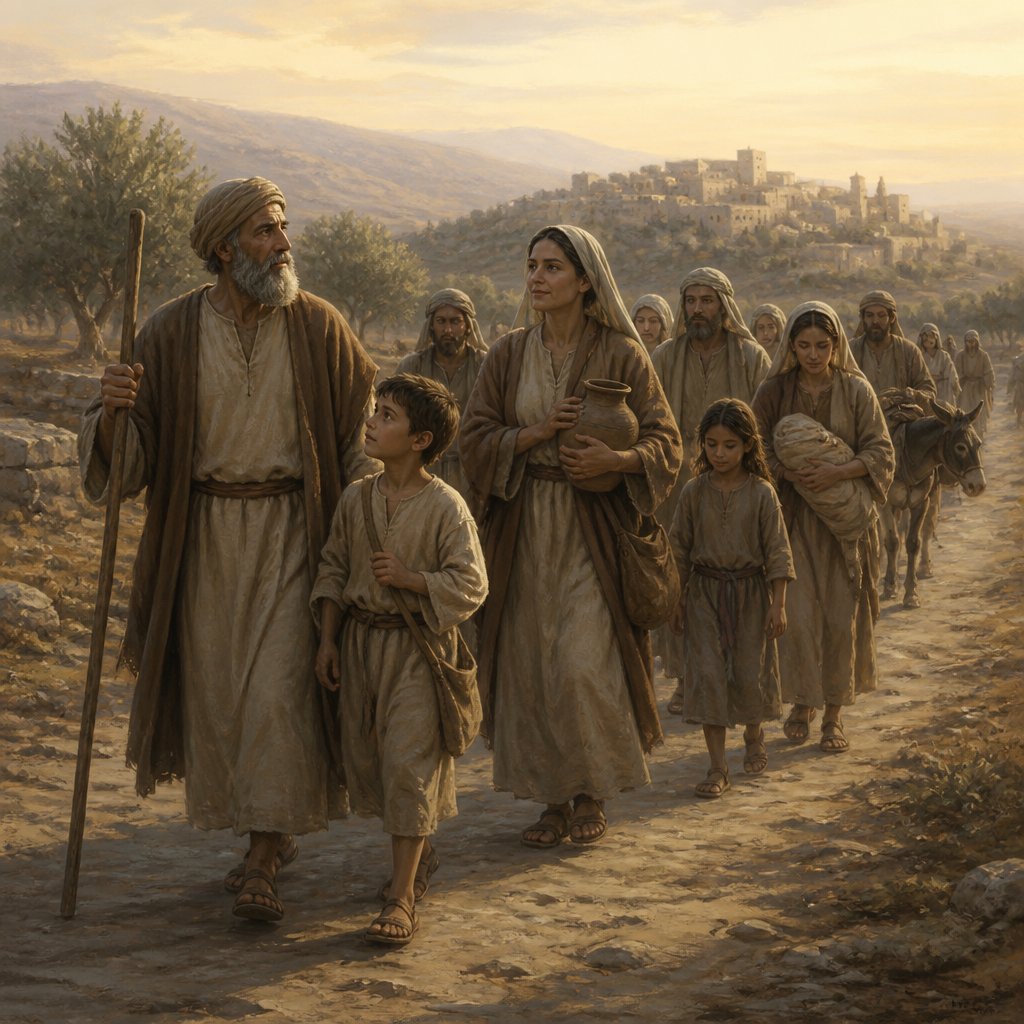
As we delve into the depths of Ezra 2:24, we encounter a seemingly simple phrase: "The children of Azmaveth, forty and two" (KJV). In this brief mention within a genealogy, we might be tempted to overlook the significance of such a detail. However, like many passages within Scripture, even these small verses can yield profound insights when examined closely.
Genealogies are often viewed as mere records of lineage, a way to maintain historical accuracy and fulfill promises made to patriarchs. In the book of Ezra, these genealogies serve a vital purpose as the Israelites return to their homeland after years of exile. It reminds us that God’s people are not just a faceless mass; they are individuals—each with a story, each with a legacy.
**The Significance of Numbers**
The specific number given in Ezra 2:24 — "forty and two" — reminds us that every individual counts in God’s plan. In a world that often values the masses over the individual, we are confronted with a reality that God sees and knows each person by name. The reference to the children of Azmaveth shows that families, communities, and indeed, each life matters. Numbers carry weight in Scripture, often symbolizing completeness or divine purpose. Here, forty-two may represent a segment of Israel’s journey, echoed in their struggle, resilience, and hope for a new beginning.
**The Family of Azmaveth**
The name Azmaveth itself can be poetically interpreted. The prefix often indicates strength or power, while its roots could suggest a place of rest. For these children, who are counted in the return from Babylon to Zion, it speaks not only of their paternal heritage but also suggests that they were endowed with a lasting legacy—strength rooted in faith and a community coming together in a time of restoration.
As the Israelites returned to Jerusalem, they brought their families, their histories, and their hopes with them. The mention of Azmaveth's descendants connects us to the broader narrative of God’s covenant: He is always preserving a remnant, a group of believers through whom He can fulfill His promises. The story of Israel is one of triumph and despair, of redemption and reconciliation, and in it, every name serves a purpose beyond its lifetime.
**Contemplation on Our Own Legacies**
In today’s context, perhaps we would do well to think about our own legacies. Who are the ‘children’ or generations that we are leaving behind? What do our lives signify for those who come after us? Azmaveth’s descendants stood as a testament to courage amidst difficulty and an unwavering commitment to return to God’s promise.
As we ponder this verse, let us also recognize that every choice we make contributes to our legacy. Are we raising our children, teaching or influencing younger generations with love, integrity, and faith? Are we counting our own offspring in spiritual terms? Numbers are not just numerical—not when it comes to the kingdom of God. Each soul is a precious jewel.
**Reflection and Prayer**
Therefore, let us pray for clarity on how we might shape our own heritage. Ask God to guide us in being examples of faithfulness, love, and resilience. Just as the children of Azmaveth contributed to the rebuilding of Jerusalem, our lives—filled with faith and purpose—can contribute to the kingdom of God in remarkable ways.
In closing, let Ezra 2:24 serve as a reminder that we are all part of God’s greater family, each line in the genealogy as significant as the next, reminding us of the value of community, family, and spiritual heritage that transcends generations. May we all strive to be counted among the faithful.
Get our apps


Artwork for Ezra 2:24

Ezra 2:24 - "The children of Azmaveth, forty and two."
"The children of Azmaveth, forty and two." - Ezra 2:24

Ezra 2:4 - "The children of Shephatiah, three hundred seventy and two."

"The children of Shephatiah, three hundred seventy and two." - Ezra 2:4

Ezra 10:24 - "Of the singers also; Eliashib: and of the porters; Shallum, and Telem, and Uri."

Ezra 8:24 - "¶ Then I separated twelve of the chief of the priests, Sherebiah, Hashabiah, and ten of their brethren with them,"

Ezra 3:2

Ezra 3:2

Ezra 3:2

Ezra 4:24 - "Then ceased the work of the house of God which is at Jerusalem. So it ceased unto the second year of the reign of Darius king of Persia."

Ezra 3:2

Ezra 3:2
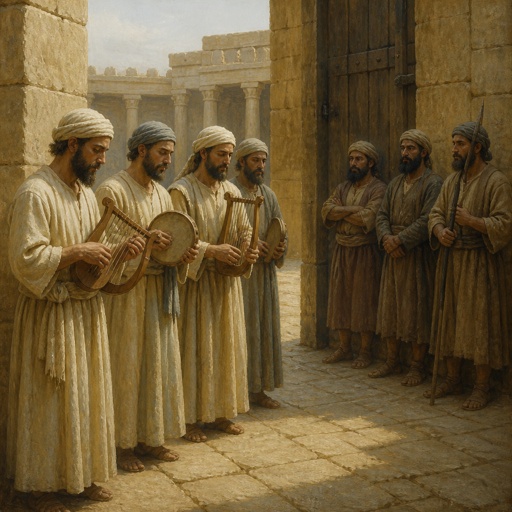
"Of the singers also; Eliashib: and of the porters; Shallum, and Telem, and Uri." - Ezra 10:24

Ezra 9:1-2

Zerubbabel in Ezra chapter 2

Ezra 2:22 - "The men of Netophah, fifty and six."
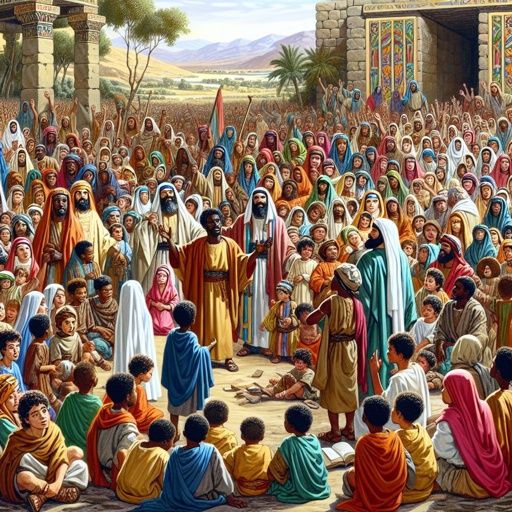
Ezra 2:18 - "The children of Jorah, an hundred and twelve."

Ezra 2:54 - "The children of Neziah, the children of Hatipha."

Ezra 2:20 - "The children of Gibbar, ninety and five."

Ezra 2:39 - "The children of Harim, a thousand and seventeen."

Ezra 9:1-2

Ezra 2:9 - "The children of Zaccai, seven hundred and threescore."

Ezra 2:27 - "The men of Michmas, an hundred twenty and two."

Ezra 2:29 - "The children of Nebo, fifty and two."

Ezra 2:56 - "The children of Jaalah, the children of Darkon, the children of Giddel,"

Ezra 2:11 - "The children of Bebai, six hundred twenty and three."

Ezra 2:53 - "The children of Barkos, the children of Sisera, the children of Thamah,"

Ezra 2:45 - "The children of Lebanah, the children of Hagabah, the children of Akkub,"

Ezra 2:48 - "The children of Rezin, the children of Nekoda, the children of Gazzam,"

Ezra 2:15 - "The children of Adin, four hundred fifty and four."