The Faithfulness of Numbers: A Lesson from Ezra 2:32
“The children of Harim, three hundred and twenty.” — Ezra 2:32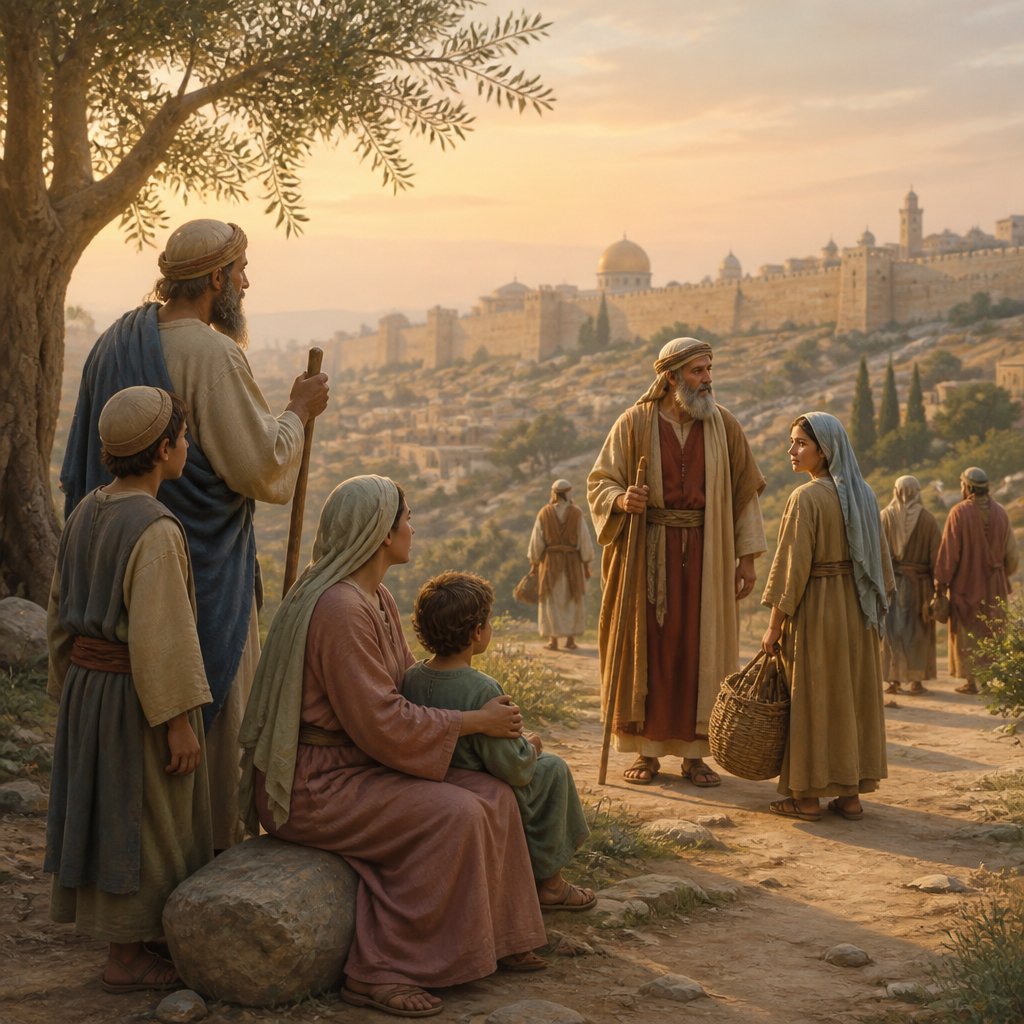
In the book of Ezra, particularly in Ezra 2:32, we encounter a passage that may seem mundane or tedious at first glance: “The children of Harim, three hundred and twenty.” At surface level, this verse presents us with a numeric representation of a specific group of people involved in the return to Jerusalem after the Babylonian exile. However, as we delve deeper, we can glean profound insights about community, identity, and God’s faithfulness to His people.
### Understanding the Context
Ezra was a priest and scribe dedicated to restoring the temple in Jerusalem after the people of Israel returned from captivity. Chapters like this one record the names and numbers of those returning, underscoring the reality that each individual counted. This moment in Israel’s history was not merely a return to a physical location but a reinstitution of identity and purpose after decades of exile. Each name listed contributes to the taller narrative of God’s relentless redemptive work through history.
### The Importance of Community
The mention of “the children of Harim” reminds us that the people returning were not merely a collective mass, but individuals and families with lineage and legacy. Community is central to God’s design; it reflects His character and the way He interacts with humanity. Throughout Scripture, we see God working through communities—be it the twelve tribes of Israel or the early church in the Book of Acts. In this modern age, we too are called to be part of a community, to support one another, and to embrace our shared responsibilities.
### The Significance of Numbers
Numbers in the Bible often carry deeper meanings. The count of three hundred and twenty can symbolize the strength and stability of the family group returning from exile. Significantly, it demonstrates that God’s promises to Israel endure even through trials and tribulations. Every number represents a soul, a life filled with hopes, struggles, and stories. God meticulously records every life, showcasing His attention to detail in the tapestry of human existence. Just as God valued the children of Harim, He values each of us today.
### Reflecting on Identity
The phrase “children of Harim” highlights the importance of identity. The Israelites were defined not just by their actions but by their lineage. As believers in Christ today, our identity is molded by our relationship with Him. Galatians 3:26-29 tells us that we are all children of God through faith in Jesus Christ. Just like the returning exiles, we carry with us our spiritual heritage—the legacy of grace, redemption, and belonging.
### A Call to Reflection
When pondering over the line “The children of Harim, three hundred and twenty,” it invites us to reflect on our place within the body of Christ. Are we like the children of Harim, committed to a community where we can serve, grow, and be held accountable? How can we embody the faithfulness of God to those around us? Each number in the scripture symbolizes an individual who matters to God, and that should resonate with us in our day-to-day interactions.
### God’s Faithfulness through Numbers
Lastly, we must not forget the overarching theme of God’s faithfulness. The return of the exiles signals the restoration of hope after a long period of struggle. In times of uncertainty, it’s easy to lose sight of God’s plan. However, verses like Ezra 2:32 remind us that God’s promises endure through generations. He knows our circumstances and has a path laid out for us, even when we cannot see the next step.
### Conclusion
In conclusion, while Ezra 2:32 may appear straightforward, it invites us into a deeper contemplation of God's care, the significance of community, and the clarity of our identity as His children. Just as the children of Harim were recognized and counted, so too we must understand our value in God’s eyes. Let this truth encourage us as we engage with one another in our communities, knowing that each individual carries intrinsic worth and significance in the grand story that God is weaving through history.
Get our apps


Artwork for Ezra 2:32

Ezra 2:32 - "The children of Harim, three hundred and twenty."

"The children of Harim, three hundred and twenty." - Ezra 2:32

Ezra 10:32 - "Benjamin, Malluch, and Shemariah."

Ezra 8:32 - "And we came to Jerusalem, and abode there three days."

"Benjamin, Malluch, and Shemariah." - Ezra 10:32

"And we came to Jerusalem, and abode there three days." - Ezra 8:32

Ezra 3:2

Ezra 3:2

Ezra 3:2

Ezra 3:2

Ezra 3:2

Ezra 9:1-2

Zerubbabel in Ezra chapter 2

Ezra 2:22 - "The men of Netophah, fifty and six."
Ezra 2:18 - "The children of Jorah, an hundred and twelve."

Ezra 2:54 - "The children of Neziah, the children of Hatipha."

Ezra 2:20 - "The children of Gibbar, ninety and five."

Ezra 2:24 - "The children of Azmaveth, forty and two."

Ezra 2:39 - "The children of Harim, a thousand and seventeen."

Ezra 9:1-2

Ezra 2:9 - "The children of Zaccai, seven hundred and threescore."

Ezra 2:27 - "The men of Michmas, an hundred twenty and two."

Ezra 2:29 - "The children of Nebo, fifty and two."

Ezra 2:56 - "The children of Jaalah, the children of Darkon, the children of Giddel,"

Ezra 2:11 - "The children of Bebai, six hundred twenty and three."

Ezra 2:53 - "The children of Barkos, the children of Sisera, the children of Thamah,"

Ezra 2:48 - "The children of Rezin, the children of Nekoda, the children of Gazzam,"

Ezra 2:15 - "The children of Adin, four hundred fifty and four."

Ezra 7:2 - "The son of Shallum, the son of Zadok, the son of Ahitub,"

Ezra 2:21 - "The children of Beth-lehem, an hundred twenty and three."