Servants of the King: Embracing Our Heritage in Faith
“The children of Solomon’s servants: the children of Sotai, the children of Sophereth, the children of Peruda,” — Ezra 2:55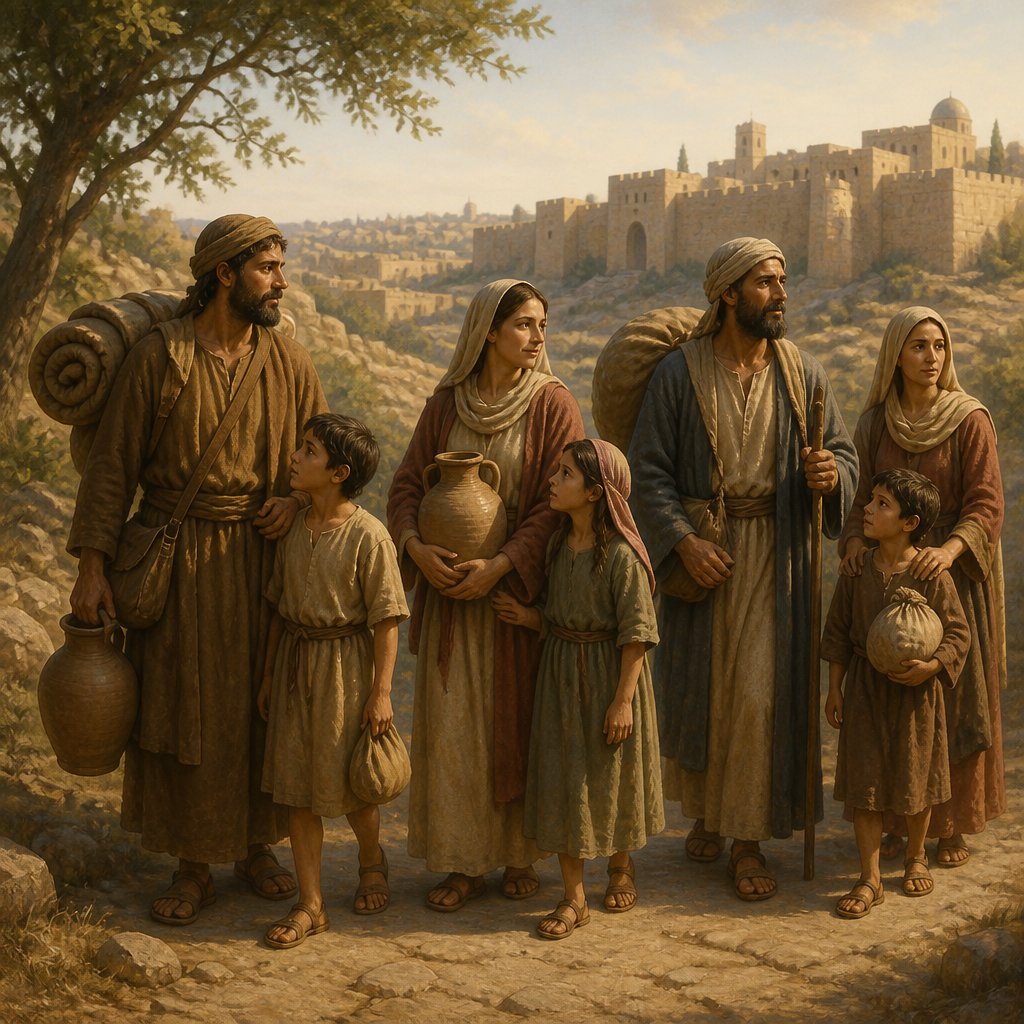
As we delve into the genealogies found in the book of Ezra, we often approach them with a sense of bewilderment. Names, lineages, and numbers fill the pages, and it can be easy to lose sight of their importance in the larger narrative of scripture. Yet, embedded within these seemingly mundane details lies a profound truth about identity, legacy, and the enduring faithfulness of God.
Ezra 2:55 (KJV) reads: "The children of Solomon's servants: the children of Sotai, the children of Sophereth, the children of Peruda." This verse may initially seem like a mere catalog of names, yet it opens a window into understanding our place within the story of redemption and God’s faithfulness across generations.
**Recognizing Our Heritage**
The children of Solomon’s servants represent not just a genealogical record but a significant heritage. They were descendants of those who had served diligently in the court of King Solomon, the wisest and wealthiest king in Israel’s history. Solomon's reign symbolized prosperity and the presence of God among His people. Those who served in his household were part of a lineage that contributed to the great temple of the Lord and the vibrant community of worship that defined Israel during that era.
As believers, we too are part of a rich heritage. The New Testament reminds us in Galatians 3:29 that we are heirs according to the promise, reflecting how we are connected to the abundant spiritual lineage through Christ. Just as the servants of Solomon had roles within God’s expansive plan for Israel, we have our own purpose in God’s unfolding narrative. As we remember where we come from, we become anchored in our identity as children of God, giving us the strength to navigate life's challenges.
**Understanding Our Role**
The servants of Solomon were not performing mundane tasks; they played a vital role in the life of the kingdom. Each name mentioned in Ezra serves as a reminder of the significance of each individual in God’s grand design. When we think about our own lives, we may feel ordinary or insignificant, but God has a purpose for each of us. He has crafted us uniquely, just as He had a specific plan for every servant in Solomon’s court.
In Colossians 3:23-24 (KJV), we are instructed: "And whatsoever ye do, do it heartily, as to the Lord, and not unto men; Knowing that of the Lord ye shall receive the reward of the inheritance: for ye serve the Lord Christ." This scripture emphasizes that even the simplest acts can hold great value when done for God’s glory. Like the children of Solomon's servants, we are invited to find joy and meaning in our roles—whether they seem grand or humble—understanding that our service contributes to the greater work of the Kingdom.
**Embracing Community**
The children of Solomon’s servants also remind us of the importance of community in our faith journey. They were not isolated individuals but part of a larger family with a shared history and mission. As believers, we are called not only to embrace our heritage but also to actively participate in the community of faith. We are called to support one another, celebrate each other's contributions, and collaborate towards a common goal: spreading the Good News of Jesus Christ.
In Romans 12:4-5 (KJV), it states, "For as we have many members in one body, and all members have not the same office: So we, being many, are one body in Christ, and every one members one of another." Our differences and unique backgrounds enhance the body of Christ, making us stronger together than apart.
**Conclusion**
As we reflect on Ezra 2:55, let us cherish our spiritual heritage, understand our roles in this grand story, and embrace the community God has placed us in. Just like the children of Solomon's servants, we are woven into the fabric of God’s ongoing work. May we commit to living out our roles with faithfulness, allow our lineage to inspire us toward holiness, and encourage one another as we serve the King of Kings.
In doing so, we become part of a legacy that is more than a historical record; it is a living testimony to God’s enduring faithfulness across generations.
Get our apps


Artwork for Ezra 2:55
Ezra 2:55 - "¶ The children of Solomon's servants: the children of Sotai, the children of Sophereth, the children of Peruda,"
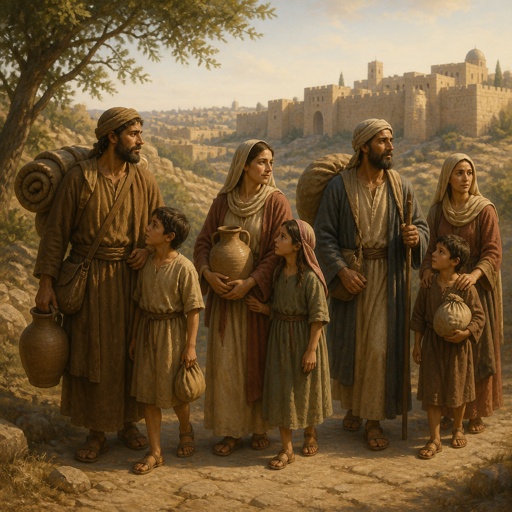
"¶ The children of Solomon's servants: the children of Sotai, the children of Sophereth, the children of Peruda," - Ezra 2:55

Psalms 55:2 - "Attend unto me, and hear me: I mourn in my complaint, and make a noise;"

Ezra 3:2

Ezra 3:2

Ezra 3:2

1 Chronicles 2:55 - "And the families of the scribes which dwelt at Jabez; the Tirathites, the Shimeathites, and Suchathites. These are the Kenites that came of Hemath, the father of the house of Rechab."

Ezra 3:2

Ezra 3:2

Ezra 9:1-2

Zerubbabel in Ezra chapter 2

Ezra 2:22 - "The men of Netophah, fifty and six."
Ezra 2:18 - "The children of Jorah, an hundred and twelve."

Ezra 2:54 - "The children of Neziah, the children of Hatipha."

Ezra 2:20 - "The children of Gibbar, ninety and five."

Ezra 2:24 - "The children of Azmaveth, forty and two."

Ezra 2:39 - "The children of Harim, a thousand and seventeen."

Ezra 9:1-2

Ezra 2:9 - "The children of Zaccai, seven hundred and threescore."

Ezra 2:27 - "The men of Michmas, an hundred twenty and two."

Ezra 2:29 - "The children of Nebo, fifty and two."

Ezra 2:56 - "The children of Jaalah, the children of Darkon, the children of Giddel,"

Ezra 2:11 - "The children of Bebai, six hundred twenty and three."

Ezra 2:53 - "The children of Barkos, the children of Sisera, the children of Thamah,"

Ezra 2:48 - "The children of Rezin, the children of Nekoda, the children of Gazzam,"

Ezra 2:15 - "The children of Adin, four hundred fifty and four."

Ezra 7:2 - "The son of Shallum, the son of Zadok, the son of Ahitub,"

Ezra 2:21 - "The children of Beth-lehem, an hundred twenty and three."

Ezra 2:45 - "The children of Lebanah, the children of Hagabah, the children of Akkub,"

Ezra 2:49 - "The children of Uzza, the children of Paseah, the children of Besai,"