Legacy and Identity: Lessons from Ezra 2:61
“And of the children of the priests: the children of Habaiah, the children of Koz, the children of Barzillai; which took a wife of the daughters of Barzillai the Gileadite, and was called after their name:” — Ezra 2:61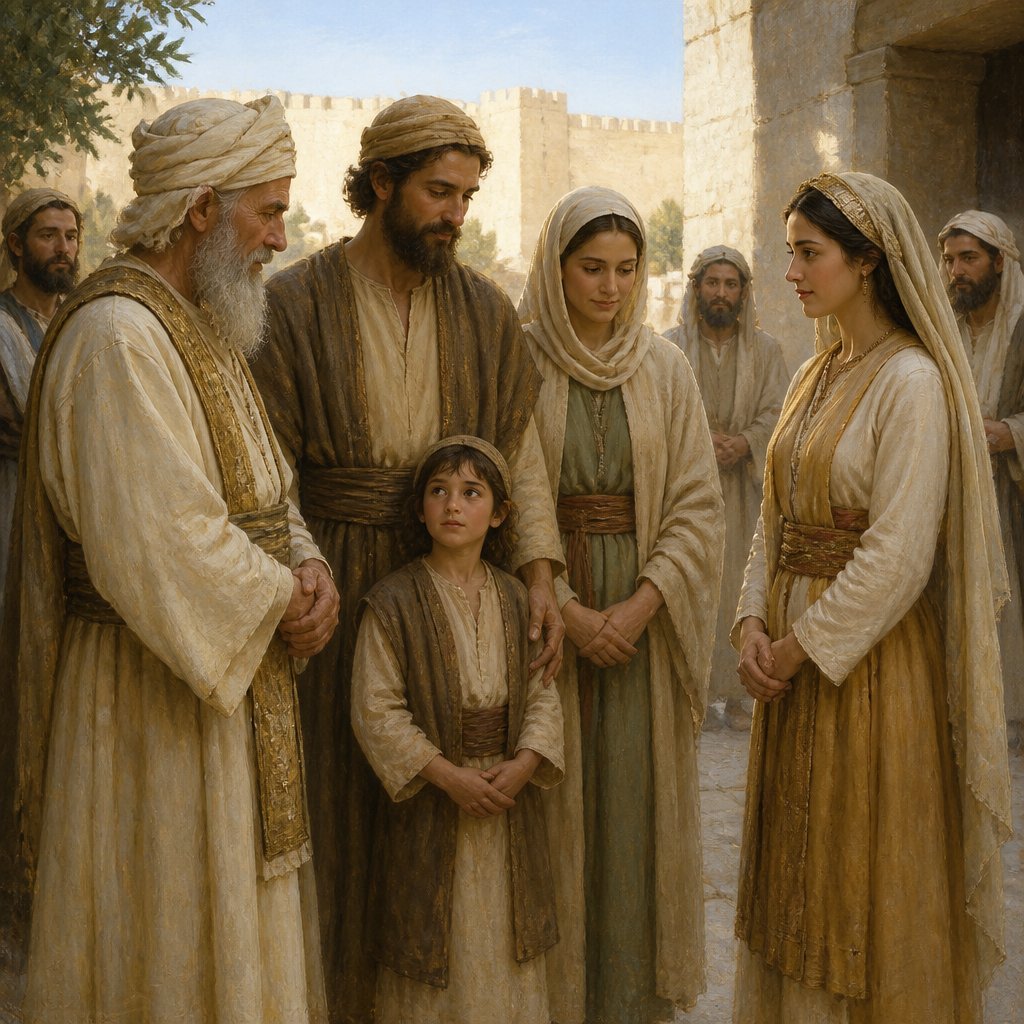
In the book of Ezra, we are given a glimpse into the history of the Israelites returning from Babylonian captivity. Among the numerous names and genealogies, we encounter Ezra 2:61: "And of the children of the priests: the children of Habaiah, the children of Koz, the children of Barzillai; which took a wife of the daughters of Barzillai the Gileadite, and was called after their name." This verse, although seemingly a simple enumeration of families, carries profound implications about identity, legacy, and the faithfulness of God throughout generations.
### The Significance of Names
Names possess great weight in Biblical literature; they communicate identity, heritage, and sometimes even purpose. Here, the names of Habaiah, Koz, and Barzillai are not just genealogical markers; they represent the history and faithfulness of God through the priesthood. Each name carries the weight of tradition, the sacrifices of their ancestors, and the divine calling placed upon them. In ancient Israel, being part of the priestly lineage meant more than just a title; it was a sacred responsibility to lead the people in worship and uphold the Law of God.
The reference to Barzillai is particularly enlightening. He was a Man of great strength and loyalty who had supported King David during his life and reign. By marrying into the family of Barzillai, the children of Barzillai the priest not only align themselves with a rich legacy but they also acknowledge their connection to strength, loyalty, and a commitment to the covenant of God. Each name called after Barzillai signifies adherence to these values, establishing a new generation upon a well-fortified legacy.
### Marrying Into Legacy
The act of taking a wife from the daughters of Barzillai highlights another vital aspect of this passage: the importance of familial and spiritual legacy. In Jewish culture, relationships, especially marriage, were a means of preserving and passing on one's identity and faithfulness to God. This union indicates a commitment to uphold the values of the Barzillai lineage. It also illustrates the intricacies of familial bonds in shaping the children’s character and purpose.
In today's context, this can challenge us to reflect on our relationships. Are the ties we forge reflective of the values we want to uphold? Do our unions bring about a legacy that honors our faith and our God? Just as those priests’ decisions impacted the generations to come, the relationships we cultivate today have the power to shape our family, our community, and our legacy.
### Identity in Christ
The phrase "...was called after their name" resonates deeply with our identity in Christ. Through Christ, we are adopted into God’s family and called by His name, inheriting both a legacy and a responsibility. As we embrace our identity through Him, we are reminded of the importance of walking in faith and consistent actions. By living in a way that reflects the character of Christ, we shape not only our lives but the lives of those who come after us. We too can be known by our name in Christ, representing His love, grace, and faithfulness in everything we do.
### Conclusion: A Call to Reflect
Ezra 2:61 serves a powerful reminder of the importance of legacy, identity, and our connections to family and faith. The names and actions recounted within these verses encourage us to examine our own lives. Are we living in such a way that reflects the values of Christ? Are we cultivating relationships that honor the legacy of faith, strength, and commitment to God? As we ponder these questions, let us commit ourselves to leave a legacy that mirrors not only our earthly heritage but the eternal hope and love found in Jesus Christ. May we be steadfast in ensuring that our name, relationships, and legacies contribute to the generation of believers, shaping a future imbued with the light of Christ.
Get our apps


Artwork for Ezra 2:61

Ezra 2:61 - "¶ And of the children of the priests: the children of Habaiah, the children of Koz, the children of Barzillai; which took a wife of the daughters of Barzillai the Gileadite, and was called after their name:"
"¶ And of the children of the priests: the children of Habaiah, the children of Koz, the children of Barzillai; which took a wife of the daughters of Barzillai the Gileadite, and was called after their name:" - Ezra 2:61

Isaiah 61:2 - "To proclaim the acceptable year of the LORD, and the day of vengeance of our God; to comfort all that mourn;"

Psalms 61:2 - "From the end of the earth will I cry unto thee, when my heart is overwhelmed: lead me to the rock that is higher than I."

Ezra 3:2

Ezra 3:2

Ezra 3:2

Ezra 3:2

Ezra 3:2

Ezra 9:1-2

Zerubbabel in Ezra chapter 2

Ezra 2:22 - "The men of Netophah, fifty and six."
Ezra 2:18 - "The children of Jorah, an hundred and twelve."

Ezra 2:54 - "The children of Neziah, the children of Hatipha."

Ezra 2:20 - "The children of Gibbar, ninety and five."

Ezra 2:24 - "The children of Azmaveth, forty and two."

Ezra 2:39 - "The children of Harim, a thousand and seventeen."

Ezra 9:1-2

"To proclaim the acceptable year of the LORD, and the day of vengeance of our God; to comfort all that mourn;" - Isaiah 61:2

Ezra 2:9 - "The children of Zaccai, seven hundred and threescore."

Ezra 2:27 - "The men of Michmas, an hundred twenty and two."

Ezra 2:29 - "The children of Nebo, fifty and two."

Psalm 61:1-2 - "1 Hear my cry, O God; listen to my prayer. 2 From the ends of the earth I call to you, I call as my heart grows faint; lead me to the rock that is higher than I."

Ezra 2:56 - "The children of Jaalah, the children of Darkon, the children of Giddel,"

Ezra 2:11 - "The children of Bebai, six hundred twenty and three."

Ezra 2:53 - "The children of Barkos, the children of Sisera, the children of Thamah,"

Ezra 2:45 - "The children of Lebanah, the children of Hagabah, the children of Akkub,"

Ezra 2:48 - "The children of Rezin, the children of Nekoda, the children of Gazzam,"

Ezra 2:15 - "The children of Adin, four hundred fifty and four."

Ezra 2:21 - "The children of Beth-lehem, an hundred twenty and three."