The Provision of God Amidst the Journey
“Their camels, four hundred thirty and five; their asses, six thousand seven hundred and twenty.” — Ezra 2:67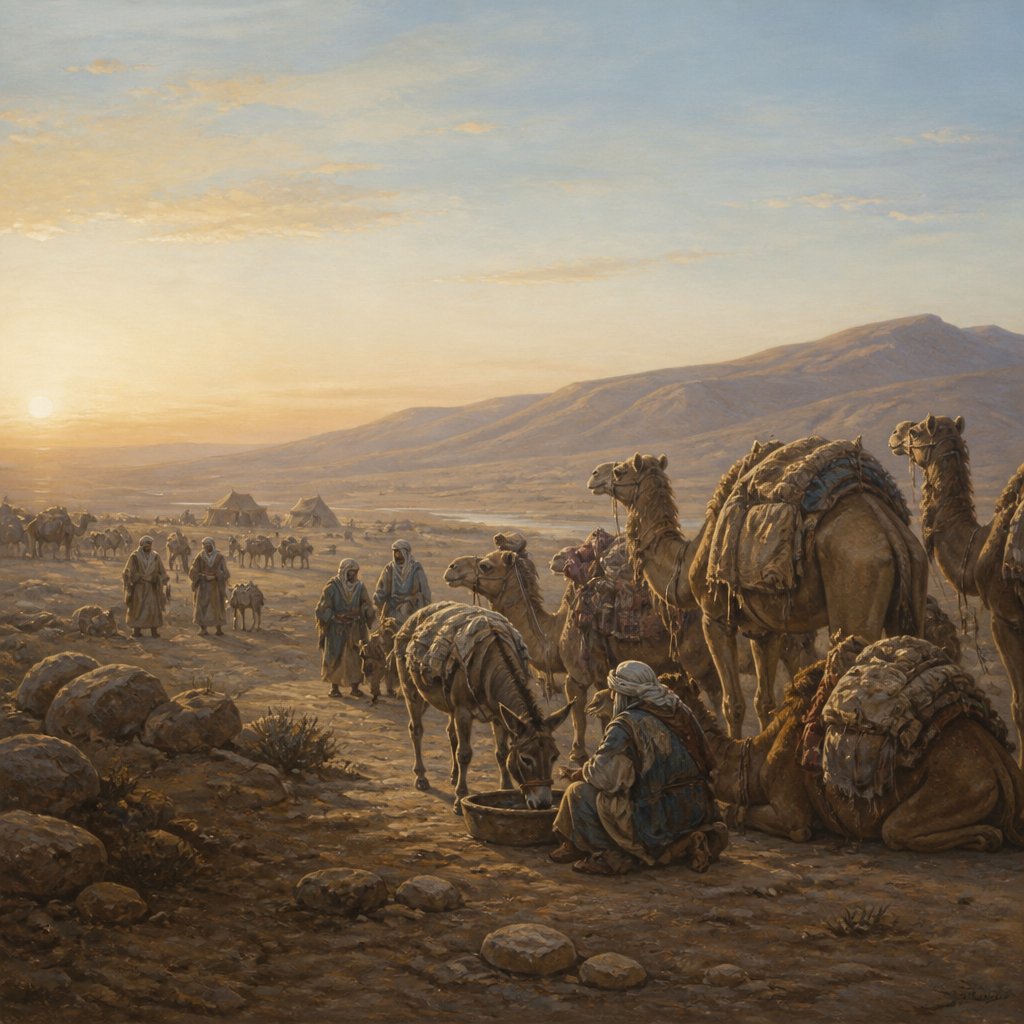
In the book of Ezra, we encounter a pivotal moment in the history of Israel, a moment of profound transition and renewal. Ezra 2:67 states, "Their camels, four hundred thirty and five; their asses, six thousand seven hundred and twenty." At first glance, this verse may seem to be a mere enumeration of animals, perhaps a mere logistical note. However, within it lies a profound reflection on God's provision, faithfulness, and the significance of material possessions in our spiritual journey.
As Israel returned from Babylonian exile, they were not just coming back to a physical location, but to the very essence of their identity as God's chosen people. This return was fraught with challenges—political, social, and spiritual. However, Ezra's recounting of the numbers serves as a reminder that God takes account of all aspects of our lives, even those that might seem trivial.
The camels, valued for their ability to traverse the harsh terrains of Judaea, symbolize endurance, strength, and the ability to bear burdens. In modern contexts, what do we consider our 'camels'? They may represent the resources, talents, or even the friendships God has bestowed upon us to help carry us through our life’s journey. Just as the Israelites had these animals to support their return, Christians today have spiritual gifts and a community of believers to lean on.
The asses (or donkeys) mentioned, which were even more numerous than the camels, represented the daily tasks and the mundane yet essential elements of life. Donkeys, known for their steadfastness and reliability, symbolize perseverance and humility. In our spiritual walk, we often encounter the simple but meaningful parts of our lives—our work, our homes, our interactions with family and friends. It is in these ordinary moments that God's faithfulness often shines the brightest. The multitude of asses can remind us to value every act of service, every effort to love and uplift others, as these are the very vessels through which God works.
Another noteworthy aspect of this passage is the acknowledgment of numbers. The specificity of four hundred thirty-five camels and six thousand seven hundred twenty asses reflects God's meticulous care for His people. Every single creature counts; every need is addressed. God does not overlook the details—they are all orchestrated under His divine providence. This encourages us to recognize that nothing in our lives is lost to God; even our small efforts, prayers, and desires are known and valued by Him.
In our journey back to God, much like the Israelites returning to Jerusalem, we often carry burdens, concerns, and hopes. We may encounter moments when it feels as though we lack the resources or the strength to move forward. During those times, it is critical to remind ourselves of God’s demonstrated provision. He equipped the Israelites not only spiritually and emotionally but materially, ensuring that they had the means to embark on this monumental journey. Likewise, we can trust that God will provide for us on our journey towards spiritual restoration and maturity.
Moreover, the nature of these animals, known for their adaptability and usefulness, prompts an introspective examination of how we utilize the resources entrusted to us. Are we using our gifts, our ‘camels and asses,’ to further the Kingdom? Are we receptive to God’s guidance on how to manage our talents and resources wisely?
In conclusion, as we reflect on Ezra 2:67, let us pray for eyes to see the provision in our lives, and for hearts that recognize and appreciate both the extraordinary and the ordinary gifts God bestows upon us. Let us learn to count not just the animals we possess, but also the blessings and lessons that accompany us in our journey toward Him. May we respond with gratitude, knowing that even in our return to God, He has prepared a way filled with every provision we need to thrive.
Get our apps


Artwork for Ezra 2:67
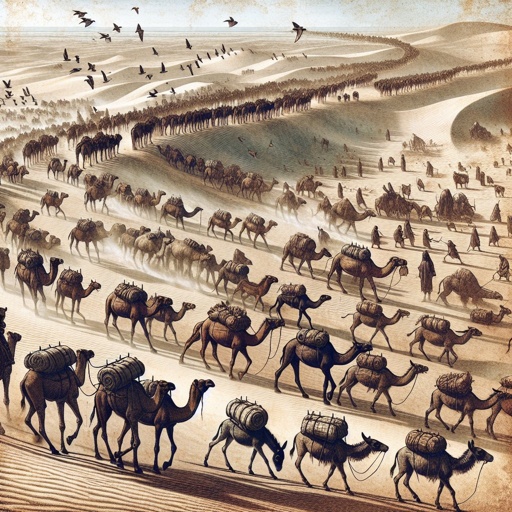
Ezra 2:67 - "Their camels, four hundred thirty and five; their asses, six thousand seven hundred and twenty."
"Their camels, four hundred thirty and five; their asses, six thousand seven hundred and twenty." - Ezra 2:67

Psalms 67:2 - "That thy way may be known upon earth, thy saving health among all nations."

Ezra 3:2

Ezra 3:2

Ezra 3:2

Ezra 3:2

Ezra 3:2
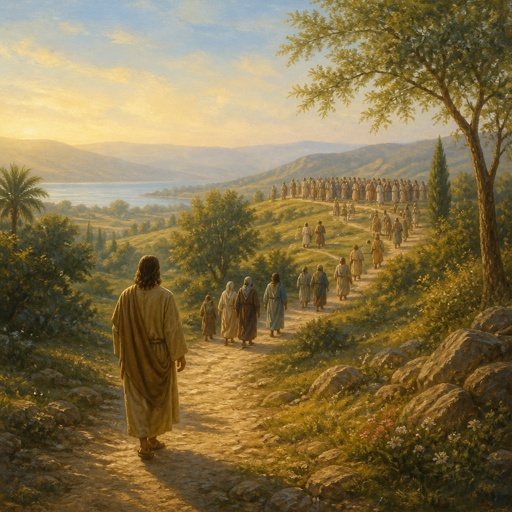
"That thy way may be known upon earth, thy saving health among all nations." - Psalms 67:2

Ezra 9:1-2

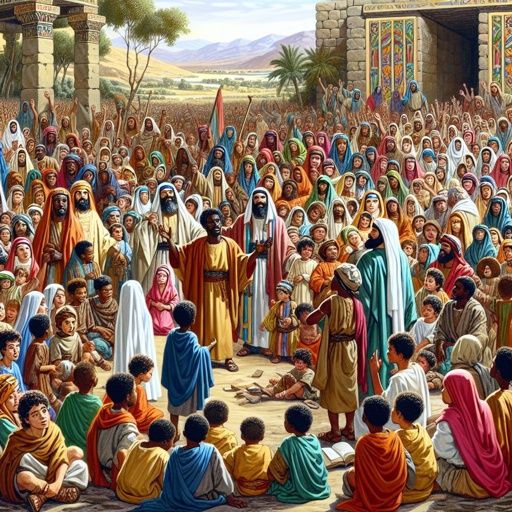
Zerubbabel in Ezra chapter 2

Ezra 2:22 - "The men of Netophah, fifty and six."
Ezra 2:18 - "The children of Jorah, an hundred and twelve."

Ezra 2:54 - "The children of Neziah, the children of Hatipha."

Ezra 2:20 - "The children of Gibbar, ninety and five."

Ezra 2:24 - "The children of Azmaveth, forty and two."

Ezra 2:39 - "The children of Harim, a thousand and seventeen."

Ezra 9:1-2

Ezra 2:9 - "The children of Zaccai, seven hundred and threescore."

Ezra 2:27 - "The men of Michmas, an hundred twenty and two."

Ezra 2:29 - "The children of Nebo, fifty and two."

Ezra 2:56 - "The children of Jaalah, the children of Darkon, the children of Giddel,"

Ezra 2:11 - "The children of Bebai, six hundred twenty and three."

Ezra 2:53 - "The children of Barkos, the children of Sisera, the children of Thamah,"

Ezra 2:45 - "The children of Lebanah, the children of Hagabah, the children of Akkub,"

Ezra 2:48 - "The children of Rezin, the children of Nekoda, the children of Gazzam,"

Ezra 2:15 - "The children of Adin, four hundred fifty and four."

Ezra 2:21 - "The children of Beth-lehem, an hundred twenty and three."

Ezra 2:51 - "The children of Bakbuk, the children of Hakupha, the children of Harhur,"

Ezra 2:49 - "The children of Uzza, the children of Paseah, the children of Besai,"