Restoration and Return: The Journey Home
“Now these are the children of the province that went up out of the captivity, of those which had been carried away, whom Nebuchadnezzar the king of Babylon had carried away unto Babylon, and came again unto Jerusalem and Judah, every one unto his city;” — Ezra 2:1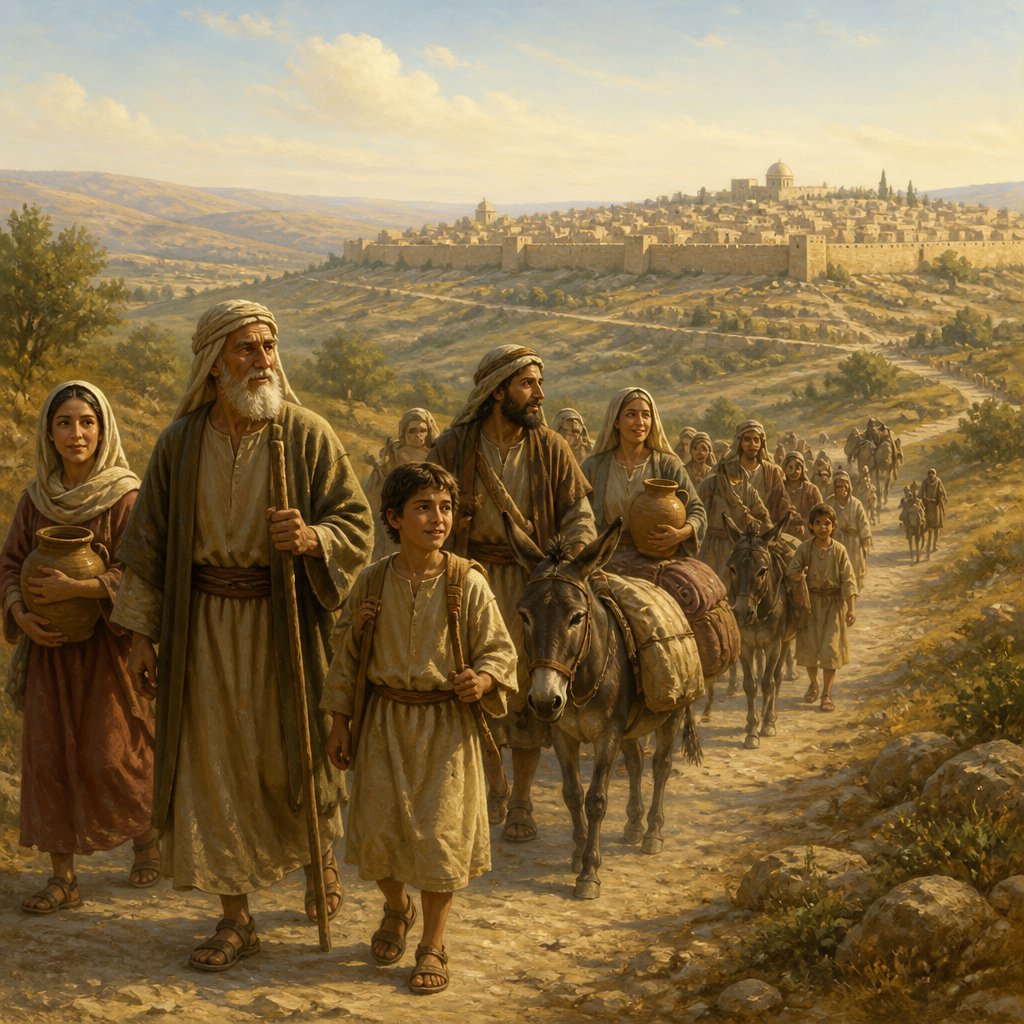
As we delve into Ezra 2:1, "Now these are the children of the province that went up out of the captivity, of those which had been carried away, whom Nebuchadnezzar the king of Babylon had carried away unto Babylon, and came again unto Jerusalem and Judah, every one unto his city," we are invited to reflect on the themes of exile, identity, and restoration.
The context of this verse is critical to our understanding. The children of Israel had endured a prolonged period of captivity in Babylon, a consequence of their rebellion against God. The Babylonian captivity was not merely a geographical dislocation; it was a profound spiritual crisis. The people were torn from their homeland, their temple, and their way of life. They grieved not just the loss of a place but their very identity as God's chosen people.
For many, captivity in Babylon represented despair and abandonment. Yet, the God they served is not a God of abandonment but of promises. The Spirit of the Lord moved upon a king, and the decree to return was issued. This was a divine reversal of fortune! The very mention of Nebuchadnezzar here signifies not the king's strength but God’s sovereignty, orchestrating history to fulfill His promises.
When the captives received the opportunity to return, it was not just a physical journey; it was a profound spiritual awakening. Imagine the scene as families gathered, filled with longing and hope, collecting their memories to return to a home that was but ruins. Each individual’s journey back was significant—not just for them personally, but for the community and the promise of future generations.
In our lives, we may also find ourselves in a form of exile—separated from our hopes, dreams, or even a close relationship with God due to sin, choices, or circumstances beyond our control. Just as the Israelites carried their history, burdens, and identity into captivity, we too carry our struggles and losses. Yet, the story of Ezra reminds us of God’s unwavering love and the promise of restoration.
The act of returning mentioned in this verse signifies more than a physical relocation; it is about reclaiming one's identity and purpose. Each individual's return to Jerusalem symbolized a renewed commitment to their covenant with God. It marked a turning point where they could once again worship freely, rebuild their shattered lives, and restore their relationship with God.
In our modern context, the lessons from this passage encourage us to seek our own returns. When we find ourselves away from God's presence due to life’s distractions, sin, or fear, we are invited to return. Like the exiles, we can come back to God, casting aside our doubts and embracing His promises of restoration. Every day presents opportunities for renewal—through prayer, repentance, and community support.
Additionally, we must recognize that returning is often a process of community. Just as the exiles returned as a group, we too must engage in fellowship with others. The restoration of the Israelites involved rebuilding the Temple, symbolizing communal worship and unity. We need the body of Christ to help us navigate our own journeys of spiritual return. Alone, it may be difficult; together, we can lift one another up and foster a spirit of restoration.
Ezra 2:1 concludes with the powerful phrase, "every one unto his city." This emphasizes the individuality of the return. Each person has a unique role within God’s larger plan, contributing to the rebuilding of His kingdom on Earth. Your return is significant. Your journey back to God involves embracing the unique gifts and callings He has placed in you.
As we reflect on Ezra 2:1, let us remember that God calls His children back home. He waits with open arms, ready to restore, heal, and build anew. No matter the depth of our captivity, His invitation to return is always extended. May we embrace this journey and recognize that restoration is not just possible; it is promised by the faithful God who loves us.
Get our apps


Artwork for Ezra 2:1

Ezra 2:1 - "Now these are the children of the province that went up out of the captivity, of those which had been carried away, whom Nebuchadnezzar the king of Babylon had carried away unto Babylon, and came again unto Jerusalem and Judah, every one unto his city;"
"Now these are the children of the province that went up out of the captivity, of those which had been carried away, whom Nebuchadnezzar the king of Babylon had carried away unto Babylon, and came again unto Jerusalem and Judah, every one unto his city;" - Ezra 2:1

Ezra 9:1-2

Ezra 9:1-2

Ezra 1:1

Ezra 1:1

Ezra 3:2

Ezra 3:2

Ezra 3:2

Ezra 3:2

Ezra 3:2

Zerubbabel in Ezra chapter 2

Ezra 7:1 - "Now after these things, in the reign of Artaxerxes king of Persia, Ezra the son of Seraiah, the son of Azariah, the son of Hilkiah,"

Ezra 2:22 - "The men of Netophah, fifty and six."
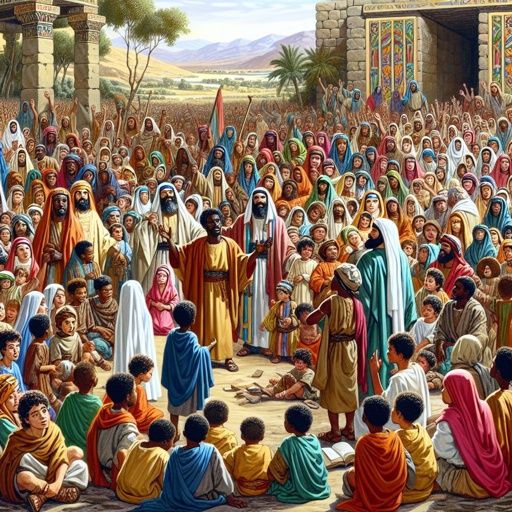
Ezra 2:18 - "The children of Jorah, an hundred and twelve."

Ezra 2:54 - "The children of Neziah, the children of Hatipha."

Ezra 2:20 - "The children of Gibbar, ninety and five."

Ezra 2:24 - "The children of Azmaveth, forty and two."

Ezra 2:39 - "The children of Harim, a thousand and seventeen."

Ezra 9:1

Ezra 9:1

Ezra 9:1

Ezra 1:1 king Cyrus

Ezra 2:9 - "The children of Zaccai, seven hundred and threescore."

Ezra 2:27 - "The men of Michmas, an hundred twenty and two."

Ezra 2:29 - "The children of Nebo, fifty and two."

Ezra 6:1-12

Ezra 2:56 - "The children of Jaalah, the children of Darkon, the children of Giddel,"

Ezra 2:11 - "The children of Bebai, six hundred twenty and three."

Ezra 2:53 - "The children of Barkos, the children of Sisera, the children of Thamah,"