What does Ezra 2:1 mean?
“Now these are the children of the province that went up out of the captivity, of those which had been carried away, whom Nebuchadnezzar the king of Babylon had carried away unto Babylon, and came again unto Jerusalem and Judah, every one unto his city;” — Ezra 2:1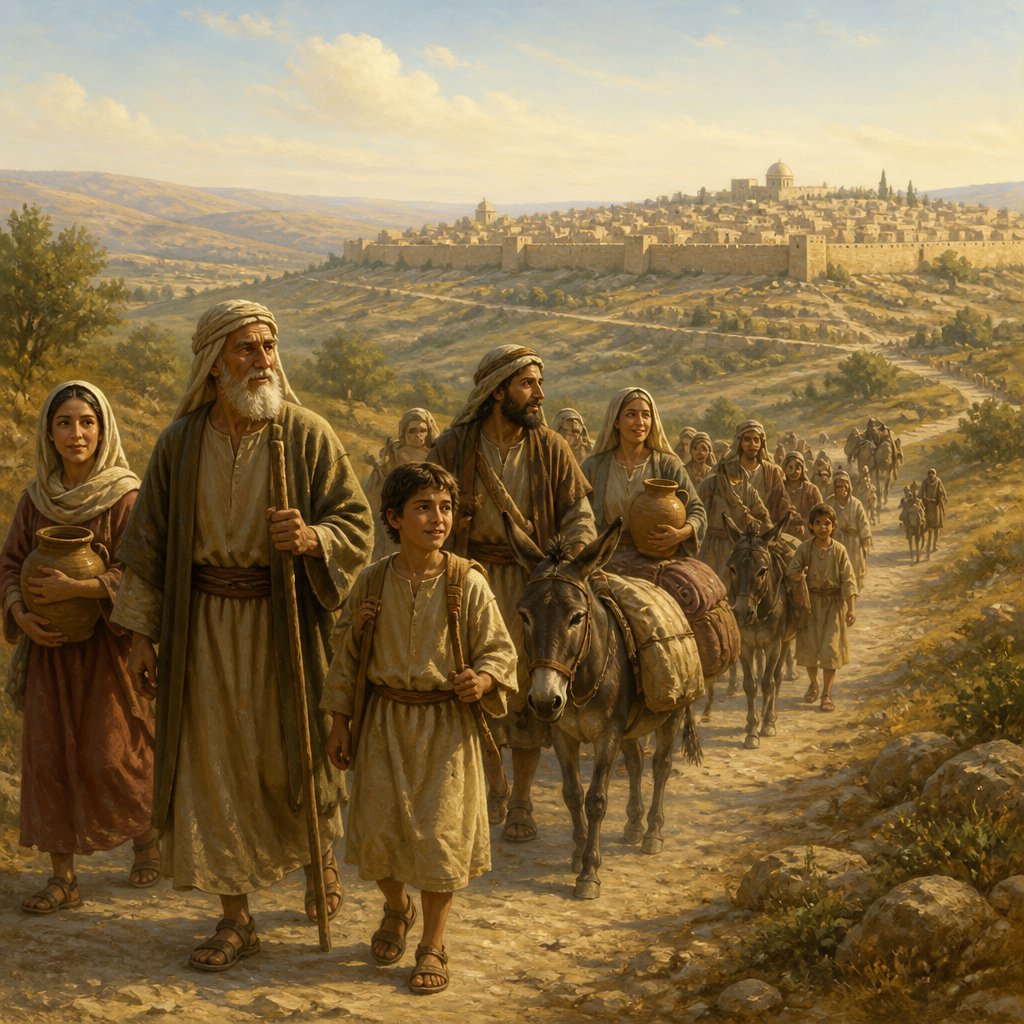
Ezra 2:1 (KJV) states, "Now these are the children of the province that went up out of the captivity, of those which had been carried away, whom Nebuchadnezzar the king of Babylon had carried away unto Babylon, and came again unto Jerusalem and Judah, every one unto his city."
This verse comes within the historical context of the return of the Jewish exiles from Babylon to Jerusalem. The book of Ezra records the events of the Jewish people's return to their homeland following their captivity in Babylon. The verse serves as a crucial piece of historical documentation, providing a record of the individuals who returned to Jerusalem.
One of the key themes of Ezra 2:1 is the concept of restoration and return. It represents the culmination of the depiction of the Jewish people's exile and their eventual return to their homeland. The return of the exiles is a pivotal moment in Jewish history, marking a period of restoration and renewal for the Jewish people. This theme of restoration and return is a prevalent motif throughout the Bible, emphasizing the faithfulness and mercy of God in redeeming and restoring His people.
Moreover, the mention of Nebuchadnezzar, the king of Babylon, in this verse is significant in understanding the historical context of the Jewish exile and return. The Babylonian captivity was a defining period in Jewish history, a time of immense suffering and displacement for the Jewish people. The mention of Nebuchadnezzar serves as a reminder of the harsh realities of the exile, as well as the providential hand of God in orchestrating the return of the exiles to their homeland.
Additionally, the verse highlights the distinctiveness and individuality of each person returning to their city. Despite being part of a larger collective, each individual returned to his own city, underscoring the personal and intimate nature of the restoration process. This serves as a reminder of the unique relationship that each person has with their homeland and their role in the larger community.
Symbolically, Ezra 2:1 can be interpreted as a representation of the spiritual journey of the individual believer. The return of the exiles to Jerusalem can be seen as a metaphor for the believer's journey of returning to God. It conveys the idea of repentance, restoration, and reconciliation, highlighting the personal and intimate nature of the believer's relationship with God.
In conclusion, Ezra 2:1 is a historically significant verse that documents the return of the Jewish exiles from Babylon to Jerusalem. It is a testament to the theme of restoration and return, emphasizing the faithfulness of God in redeeming and restoring His people. The verse also serves as a reminder of the unique individuality of each person and their personal journey of returning to their homeland. Symbolically, it can be interpreted as a representation of the believer's spiritual journey of repentance, restoration, and reconciliation with God. Overall, Ezra 2:1 provides a profound insight into the historical and spiritual significance of the Jewish people's return to their homeland.
Get our apps


Artwork for Ezra 2:1

Ezra 2:1 - "Now these are the children of the province that went up out of the captivity, of those which had been carried away, whom Nebuchadnezzar the king of Babylon had carried away unto Babylon, and came again unto Jerusalem and Judah, every one unto his city;"
"Now these are the children of the province that went up out of the captivity, of those which had been carried away, whom Nebuchadnezzar the king of Babylon had carried away unto Babylon, and came again unto Jerusalem and Judah, every one unto his city;" - Ezra 2:1

Ezra 9:1-2

Ezra 9:1-2

Ezra 1:1

Ezra 1:1

Ezra 3:2

Ezra 3:2

Ezra 3:2

Ezra 3:2

Ezra 3:2

Zerubbabel in Ezra chapter 2

Ezra 7:1 - "Now after these things, in the reign of Artaxerxes king of Persia, Ezra the son of Seraiah, the son of Azariah, the son of Hilkiah,"

Ezra 2:22 - "The men of Netophah, fifty and six."
Ezra 2:18 - "The children of Jorah, an hundred and twelve."

Ezra 2:54 - "The children of Neziah, the children of Hatipha."

Ezra 2:20 - "The children of Gibbar, ninety and five."

Ezra 2:24 - "The children of Azmaveth, forty and two."

Ezra 2:39 - "The children of Harim, a thousand and seventeen."

Ezra 9:1

Ezra 9:1

Ezra 9:1

Ezra 1:1 king Cyrus

Ezra 2:9 - "The children of Zaccai, seven hundred and threescore."

Ezra 2:27 - "The men of Michmas, an hundred twenty and two."

Ezra 2:29 - "The children of Nebo, fifty and two."

Ezra 6:1-12

Ezra 2:56 - "The children of Jaalah, the children of Darkon, the children of Giddel,"

Ezra 2:11 - "The children of Bebai, six hundred twenty and three."

Ezra 2:53 - "The children of Barkos, the children of Sisera, the children of Thamah,"