A Legacy of Faithfulness: Lessons from Ezra 2:48
“The children of Rezin, the children of Nekoda, the children of Gazzam,” — Ezra 2:48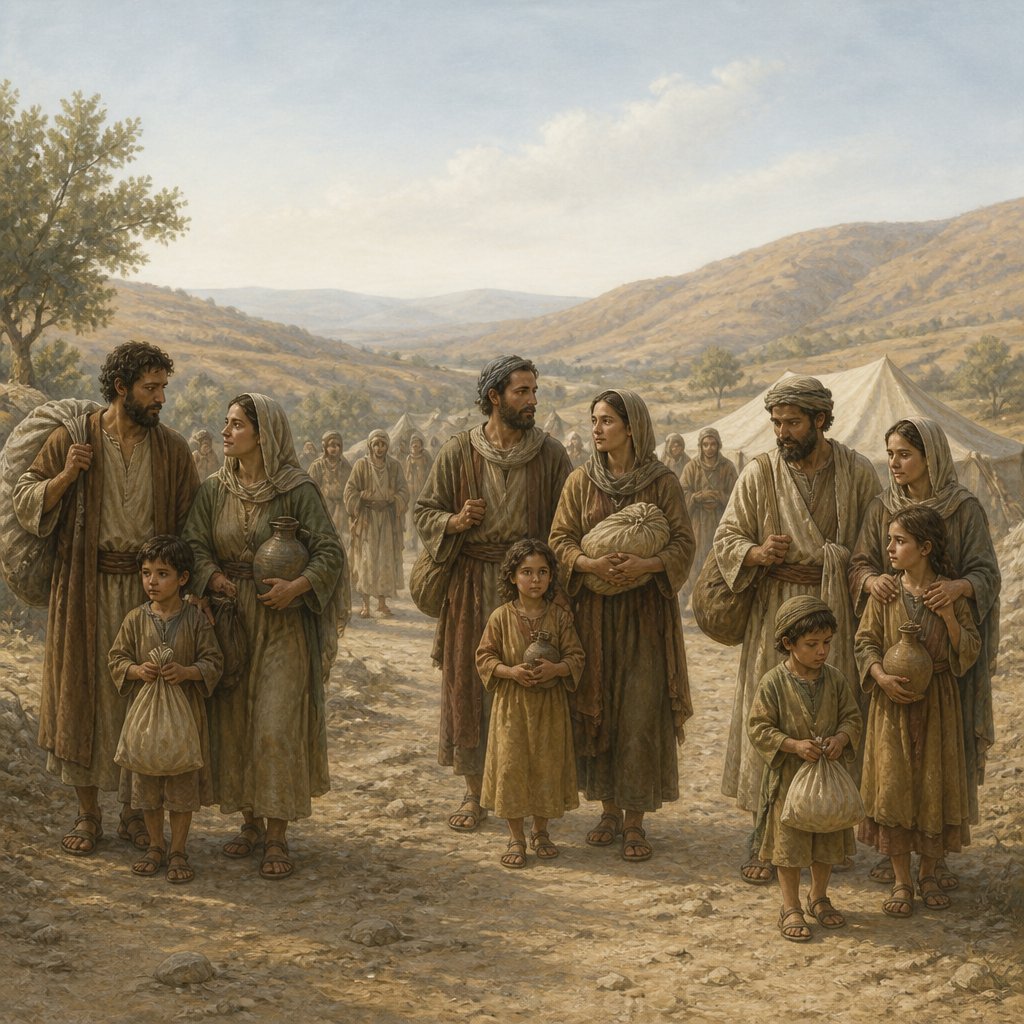
In the book of Ezra, we delve into the profound journey of the Israelites as they return from Babylonian exile to rebuild Jerusalem and restore their identity as God’s chosen people. Among the detailed accounts of families and their tribal origins, we encounter Ezra 2:48, which states, "The children of Rezin, the children of Nekoda, the children of Gazzam." At first glance, this verse may seem like a mere listing of names, but within it lies a multifaceted learning opportunity about faithfulness, legacy, and the continuity of God’s promises.
### The Importance of Remembering Our Roots
The returning exiles were a remnant of God’s covenant people, each name a testament to the faith and perseverance that defined them. As we read through these genealogies, we are reminded of our own roots. Names like Rezin, Nekoda, and Gazzam stand for families and communities that endured hardship but were resilient in their commitment to return and rebuild. This verse serves as a powerful reminder that our faithfulness does not just impact us individually; it matters for generations.
### Embracing Our Heritage
When we contemplate the individuals listed in Ezra 2:48, we recognize that they were not simply placeholders in a census. Every name reflects a lineage with stories of struggle and survival. The act of naming them implies honor and respect for those who came before. It encourages us to embrace our own spiritual heritage. Who are our ancestors in the faith? What struggles did they endure that paved the way for us? As we reflect on this, we might feel inspired to keep their stories alive, passing them down to future generations to strengthen their faith.
In Romans 15:4, we read, "For whatsoever was written in former days was written for our instruction, that through endurance and the encouragement of the Scriptures we might have hope." The genealogies in Ezra are not merely history; they are part of our spiritual inheritance that teaches us perseverance, faithfulness, and the unfailing nature of God’s promises.
### God’s Faithfulness Through Generations
The mention of these names solidifies the reality that God had not forgotten His people, even in their darkest days. He had a plan for their restoration and revival. The return of the exiles to Jerusalem was a direct manifestation of His faithfulness - He had promised their return, and He fulfilled it.
Just as the children of Rezin, Nekoda, and Gazzam took significant steps in faith to leave their comfort zones and journey back to a land filled with promise, we too are called to acknowledge God’s faithfulness in our lives. Every promise He has made to us still stands, and every prayer we have uttered holds weight in His economy of grace.
### Call to Action: Building Our Own Legacy
In light of this verse and the stories it encapsulates, we are challenged to examine what legacy we are creating for future generations. Are we living in such a way that our descendants will know the Lord? Are we engaging actively in our spiritual communities, and are we investing in the lives of others?
2 Timothy 2:2 states, "And the things that thou hast heard of me among many witnesses, the same commit thou to faithful men, who shall be able to teach others also." Our actions today can setup a heritage of faith for tomorrow. This is not simply about legacy in terms of material possessions or earthly achievements; it is about the eternal impact of our faithfulness to God.
### Conclusion
As we reflect on Ezra 2:48, let us honor the shared legacy of faithfulness that we inherit from those who have gone before us. Let us also commit ourselves to being a part of that narrative for those who will come after us. In doing so, we not only witness the unfolding of God’s promise in history but also contribute to His grand tapestry of redemption and restoration.
In this holy endeavor of living out our faith and nurturing a community anchored in God’s love, we embrace our role in the ongoing story of His people. Let each of us be a name in the legacy of faith, echoing through time as we faithfully serve the God who calls us home.
Get our apps


Artwork for Ezra 2:48

Ezra 2:48 - "The children of Rezin, the children of Nekoda, the children of Gazzam,"
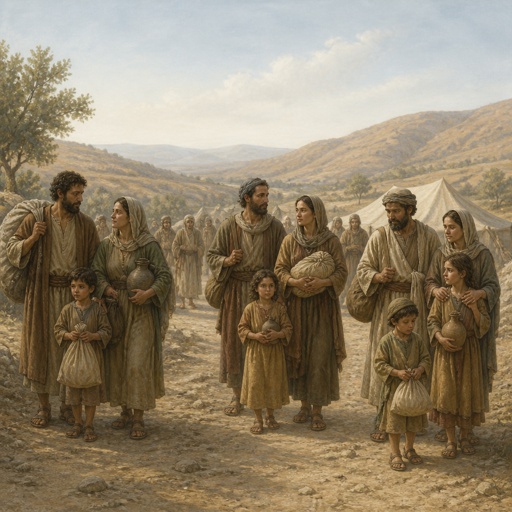
"The children of Rezin, the children of Nekoda, the children of Gazzam," - Ezra 2:48

Ezra 3:2

Ezra 3:2

Ezra 3:2

Ezra 3:2

Ezra 3:2

Ezra 9:1-2

Zerubbabel in Ezra chapter 2

Ezra 2:22 - "The men of Netophah, fifty and six."
Ezra 2:18 - "The children of Jorah, an hundred and twelve."

Ezra 2:54 - "The children of Neziah, the children of Hatipha."

Ezra 2:20 - "The children of Gibbar, ninety and five."

Ezra 2:24 - "The children of Azmaveth, forty and two."

Ezra 2:39 - "The children of Harim, a thousand and seventeen."

Ezra 9:1-2

1 Chronicles 2:48 - "Maachah, Caleb's concubine, bare Sheber, and Tirhanah."

Ezra 2:9 - "The children of Zaccai, seven hundred and threescore."

Ezra 2:27 - "The men of Michmas, an hundred twenty and two."

Ezra 2:29 - "The children of Nebo, fifty and two."

Ezra 2:56 - "The children of Jaalah, the children of Darkon, the children of Giddel,"

Ezra 2:11 - "The children of Bebai, six hundred twenty and three."

Ezra 2:53 - "The children of Barkos, the children of Sisera, the children of Thamah,"

Ezra 2:45 - "The children of Lebanah, the children of Hagabah, the children of Akkub,"

Ezra 2:15 - "The children of Adin, four hundred fifty and four."

Ezra 2:21 - "The children of Beth-lehem, an hundred twenty and three."

Ezra 2:51 - "The children of Bakbuk, the children of Hakupha, the children of Harhur,"

Ezra 2:49 - "The children of Uzza, the children of Paseah, the children of Besai,"

Ezra 7:2 - "The son of Shallum, the son of Zadok, the son of Ahitub,"

Ezra 2:44 - "The children of Keros, the children of Siaha, the children of Padon,"