What does Ezra 2:48 mean?
“The children of Rezin, the children of Nekoda, the children of Gazzam,” — Ezra 2:48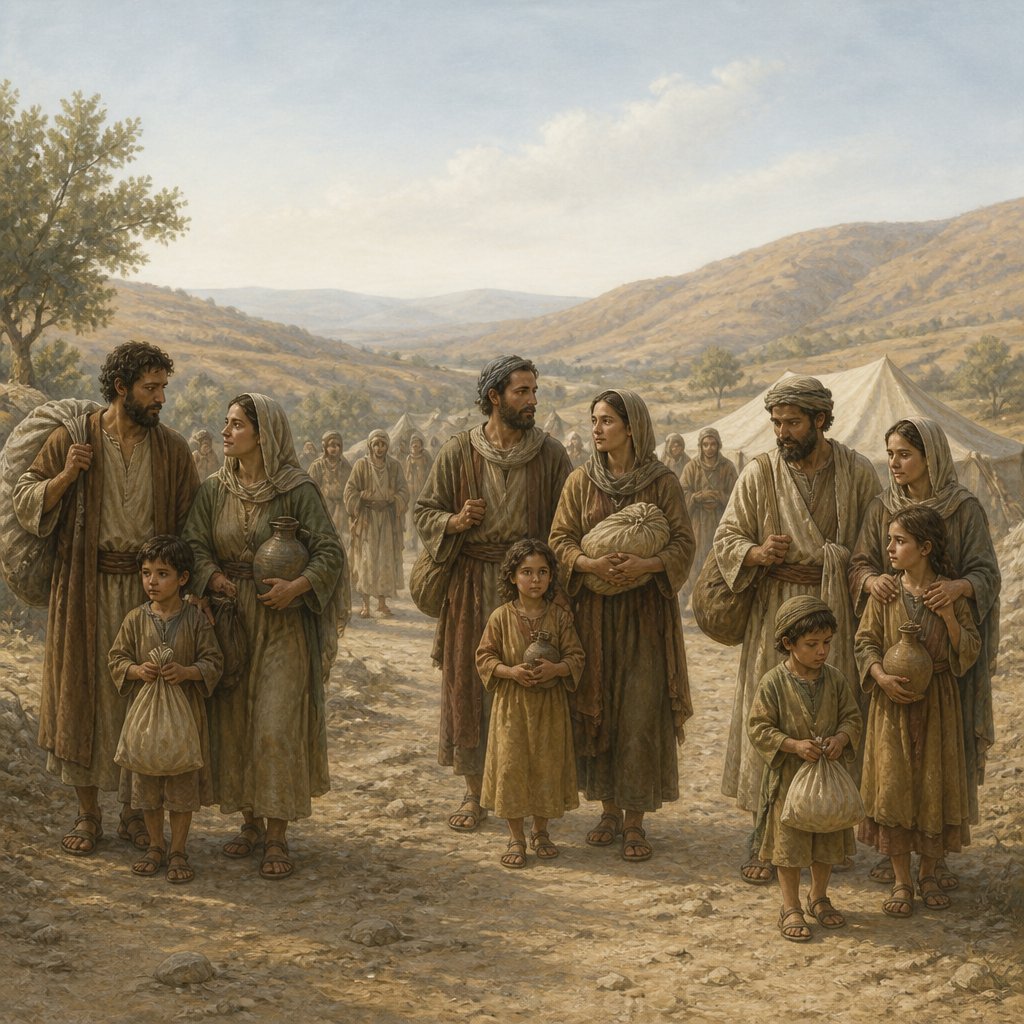
Ezra 2:48 in the King James Version of the Bible reads: "The children of Lebana, the children of Hagaba, the children of Shalmai,"
This verse is part of a list in the book of Ezra that catalogs the names of the heads of families who returned to Jerusalem from exile in Babylon. These families were among the remnant of the Israelites who were allowed to return to their homeland by the Persian king, Cyrus, after being taken captive by the Babylonians. The list in Ezra 2 serves as a testament to the faithfulness of God in preserving and restoring His people, fulfilling the prophecies of Jeremiah and Isaiah that the exile would come to an end and the people would return to their land.
In order to understand the significance of this verse, it is important to consider its context within the larger narrative of the book of Ezra. The book of Ezra is a historical account of the Jews' return to Jerusalem from exile in Babylon and the rebuilding of the temple. The list of names in Ezra 2 serves as a record of the returning exiles, providing an account of the families and leaders who were part of this significant event in Israel's history.
The inclusion of the names of these families in the biblical text signifies the importance of the individual within the community. Each family and individual counted in the census represented a story of faith, perseverance, and hope for the future. The book of Ezra highlights the significance of these individuals and their families, demonstrating that God cares for and remembers each member of His people.
Furthermore, this verse, along with the rest of the list in Ezra 2, symbolizes the unity and community of the returning exiles. Despite being from different families and tribes, they were all united in their shared experience of exile and return. This unity and common purpose were essential for the rebuilding of the temple and the restoration of the nation of Israel.
The verse also represents the faithfulness and sovereignty of God in fulfilling His promises. The return of the exiles to Jerusalem was a direct result of God's faithfulness to His covenant with His people. Despite the hardships and trials of exile, God did not forget His people, and He orchestrated their return to their homeland. This verse, along with the entire book of Ezra, serves as a reminder that God is faithful to His people, and He will ultimately fulfill His purposes for them.
In a broader sense, this verse can also be seen as a reminder of the importance of remembering and honoring the past. The detailed list of names in Ezra 2 signifies the remembrance and recognition of the individuals and families who played a role in the history of Israel. By preserving their names in the biblical text, their contribution to the restoration of Israel is acknowledged and celebrated.
Overall, Ezra 2:48 and the surrounding verses demonstrate the significance of the individual within the community, the unity and faithfulness of God's people, and the importance of remembering and honoring the past. This verse serves as a testament to the faithfulness of God in preserving and restoring His people and is a reminder of the importance of community, unity, and remembrance in the history of God's people.
Get our apps


Artwork for Ezra 2:48

Ezra 2:48 - "The children of Rezin, the children of Nekoda, the children of Gazzam,"
"The children of Rezin, the children of Nekoda, the children of Gazzam," - Ezra 2:48

Ezra 3:2

Ezra 3:2

Ezra 3:2

Ezra 3:2

Ezra 3:2

Ezra 9:1-2

Zerubbabel in Ezra chapter 2

Ezra 2:22 - "The men of Netophah, fifty and six."
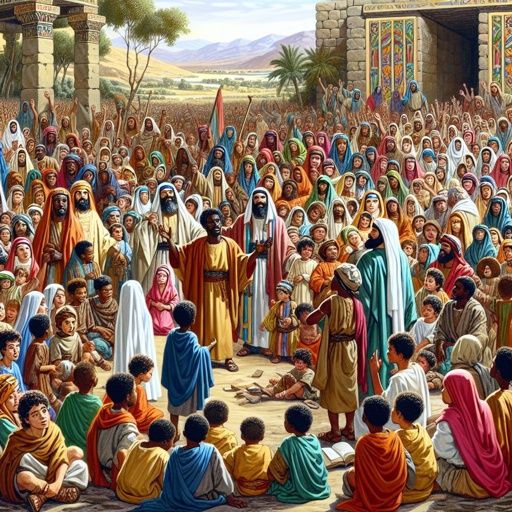
Ezra 2:18 - "The children of Jorah, an hundred and twelve."

Ezra 2:54 - "The children of Neziah, the children of Hatipha."

Ezra 2:20 - "The children of Gibbar, ninety and five."

Ezra 2:24 - "The children of Azmaveth, forty and two."

Ezra 2:39 - "The children of Harim, a thousand and seventeen."

Ezra 9:1-2

1 Chronicles 2:48 - "Maachah, Caleb's concubine, bare Sheber, and Tirhanah."

Ezra 2:9 - "The children of Zaccai, seven hundred and threescore."

Ezra 2:27 - "The men of Michmas, an hundred twenty and two."

Ezra 2:29 - "The children of Nebo, fifty and two."

Ezra 2:56 - "The children of Jaalah, the children of Darkon, the children of Giddel,"

Ezra 2:11 - "The children of Bebai, six hundred twenty and three."

Ezra 2:53 - "The children of Barkos, the children of Sisera, the children of Thamah,"

Ezra 2:45 - "The children of Lebanah, the children of Hagabah, the children of Akkub,"

Ezra 2:15 - "The children of Adin, four hundred fifty and four."

Ezra 2:21 - "The children of Beth-lehem, an hundred twenty and three."

Ezra 2:51 - "The children of Bakbuk, the children of Hakupha, the children of Harhur,"

Ezra 2:49 - "The children of Uzza, the children of Paseah, the children of Besai,"

Ezra 7:2 - "The son of Shallum, the son of Zadok, the son of Ahitub,"

Ezra 2:44 - "The children of Keros, the children of Siaha, the children of Padon,"