The Joy of Generous Worship: Embracing the Spirit of Freewill Offerings
“And afterward offered the continual burnt offering, both of the new moons, and of all the set feasts of the LORD that were consecrated, and of every one that willingly offered a freewill offering unto the LORD.” — Ezra 3:5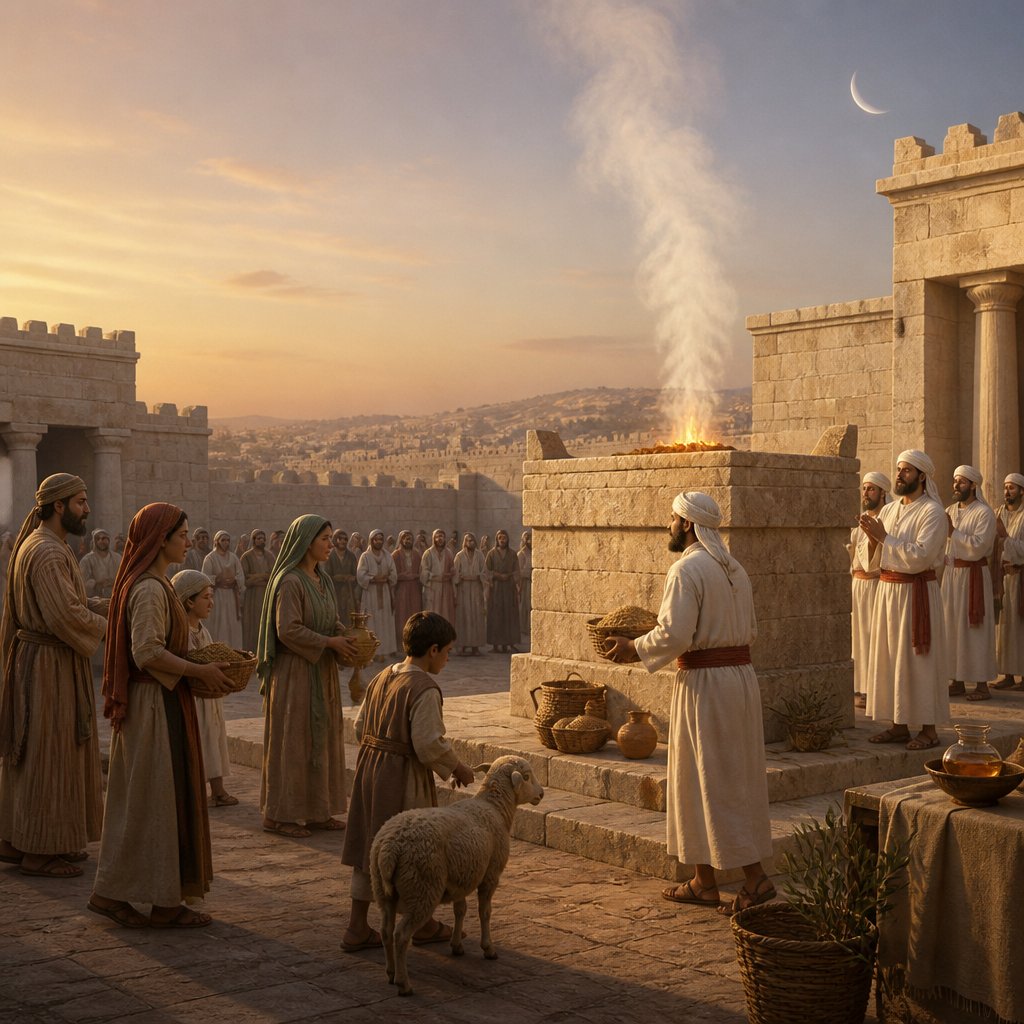
Ezra 3:5 (KJV) reads, "And afterward offered the continual burnt offering, both of the new moons, and of all the set feasts of the LORD that were consecrated, and of every one that willingly offered a freewill offering unto the LORD." This verse captures a significant moment in the history of Israel, as they return from exile and seek to reclaim their identity and worship. It offers profound insights into their worship practice that resonate deeply with our spiritual lives today.
The context of this passage is vital for understanding its significance. After decades in Babylonian captivity, the Israelites returned to Jerusalem to rebuild the temple. This time of restoration was not merely about physical rebuilding but also about spiritual renewal. As they lay the foundation of the temple, the Israelites recognized the importance of prioritizing worship. The continual burnt offering, along with offerings during new moons and set feasts, illustrated their commitment to God’s commandments and celebrated their covenant relationship with Him.
The use of the phrase "continual burnt offering" signifies that their worship was meant to be ongoing and unceasing—reflecting a life wholly dedicated to God. The burnt offering was symbolic of total dedication, representing the offering of oneself wholly to God. In our lives, we are called to offer ourselves continuously, living as a “living sacrifice” (Romans 12:1). Daily, we face the choice to either prioritize our ambitions, desires, and schedules, or to put God at the forefront of our lives, dedicating ourselves to His service in all that we do.
The reference to the new moons and set feasts emphasizes the rhythm of worship established by God. These observances were not mere rituals but profound moments to reconnect with God’s presence and remind the Israelites of His faithfulness. Similarly, our worship should not be limited to Sunday mornings or certain occasions; it is an opportunity to engage with God on a deeper level throughout our lives. The new moons and feasts remind us that God desires to celebrate with us during both joyful and solemn moments. In our fast-paced lives, we might overlook these moments, but God calls us to pause, reflect, and engage in worship that reorients our hearts towards Him.
Then comes the beautiful phrase “every one that willingly offered a freewill offering unto the LORD.” This speaks to the heart of genuine worship—a response of love, gratitude, and joy, rather than obligation or duty. A freewill offering embodies a volitional act, indicating that true worship cannot be coerced; it must stem from a willing heart. God desires our offerings to come from a place of love and thankfulness, illustrating the importance of the attitude behind our gifts.
This part of the verse invites us to reflect on our own giving. How often do we offer up our time, talent, and treasure reluctantly or out of a sense of obligation? The challenge lies in cultivating a heart willing and eager to give, not just to meet needs but to express our love for God and His work. A freewill offering signifies trust in God’s provision as we generously give, whether it’s of our resources, our time, or our abilities.
As we meditate on Ezra 3:5, let us commit ourselves to a lifestyle of devotion that offers continual worship. Let our rituals be meaningful, our hearts willing, and our acts of service and giving a reflection of our relationship with the Lord. In doing so, we create a testimony of devotion that proclaims, not only through our actions but also through the sincerity of our hearts, that God is worthy of all our offerings. May our lives echo the desire to worship continuously and generously, responding to God’s unending grace with boundless love.
Get our apps


Artwork for Ezra 3:5

Ezra 3:5 - "And afterward offered the continual burnt offering, both of the new moons, and of all the set feasts of the LORD that were consecrated, and of every one that willingly offered a freewill offering unto the LORD."
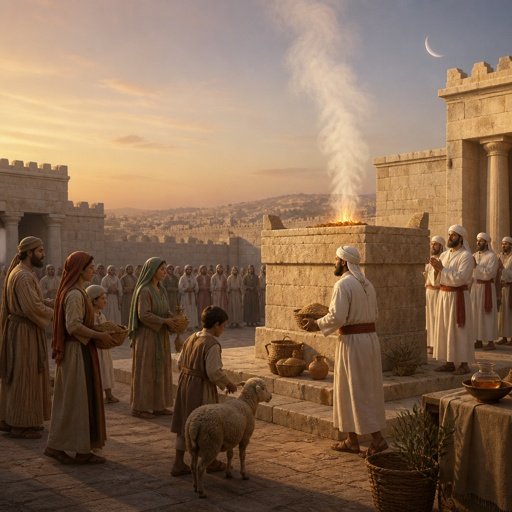
"And afterward offered the continual burnt offering, both of the new moons, and of all the set feasts of the LORD that were consecrated, and of every one that willingly offered a freewill offering unto the LORD." - Ezra 3:5

Ezra 5:3 - "¶ At the same time came to them Tatnai, governor on this side the river, and Shethar-boznai, and their companions, and said thus unto them, Who hath commanded you to build this house, and to make up this wall?"

Ezra 10:5 - "Then arose Ezra, and made the chief priests, the Levites, and all Israel, to swear that they should do according to this word. And they sware."

Ezra 3:2

Ezra 10:3

Ezra 3:2

Ezra 3:10

Ezra 3:9

Ezra 3:2

Zerubbabel in Ezra chapter 5

Ezra 9:3

Ezra 3:2

Ezra 3:2

Ezra 10:3

Zerubbabel in Ezra chapter 3

Altar rebuilt in Jerusalem. Ezra 3:1-3

Ezra 2:5 - "The children of Arah, seven hundred seventy and five."

Zerubbabel in Ezra chapter 5 but zerubbabel is not a priest

Ezra 7:3 - "The son of Amariah, the son of Azariah, the son of Meraioth,"

Ezra 8:5 - "Of the sons of Shechaniah; the son of Jahaziel, and with him three hundred males."

Ezra 2:3 - "The children of Parosh, two thousand an hundred seventy and two."

Ezra 7:5 - "The son of Abishua, the son of Phinehas, the son of Eleazar, the son of Aaron the chief priest:"

Ezra 5:5 - "But the eye of their God was upon the elders of the Jews, that they could not cause them to cease, till the matter came to Darius: and then they returned answer by letter concerning this matter."

Pagan women leave with their children ezra 10:3

Ezra 5:4 - "Then said we unto them after this manner, What are the names of the men that make this building?"

Pagan women leave with their children ezra 10:3

Ezra 5:13 - "But in the first year of Cyrus the king of Babylon the same king Cyrus made a decree to build this house of God."

"Then arose Ezra, and made the chief priests, the Levites, and all Israel, to swear that they should do according to this word. And they sware." - Ezra 10:5

Ezra 5:7 - "They sent a letter unto him, wherein was written thus; Unto Darius the king, all peace."