Guardians of Our Actions: A Call to Responsibility
“Take heed now that ye fail not to do this: why should damage grow to the hurt of the kings?” — Ezra 4:22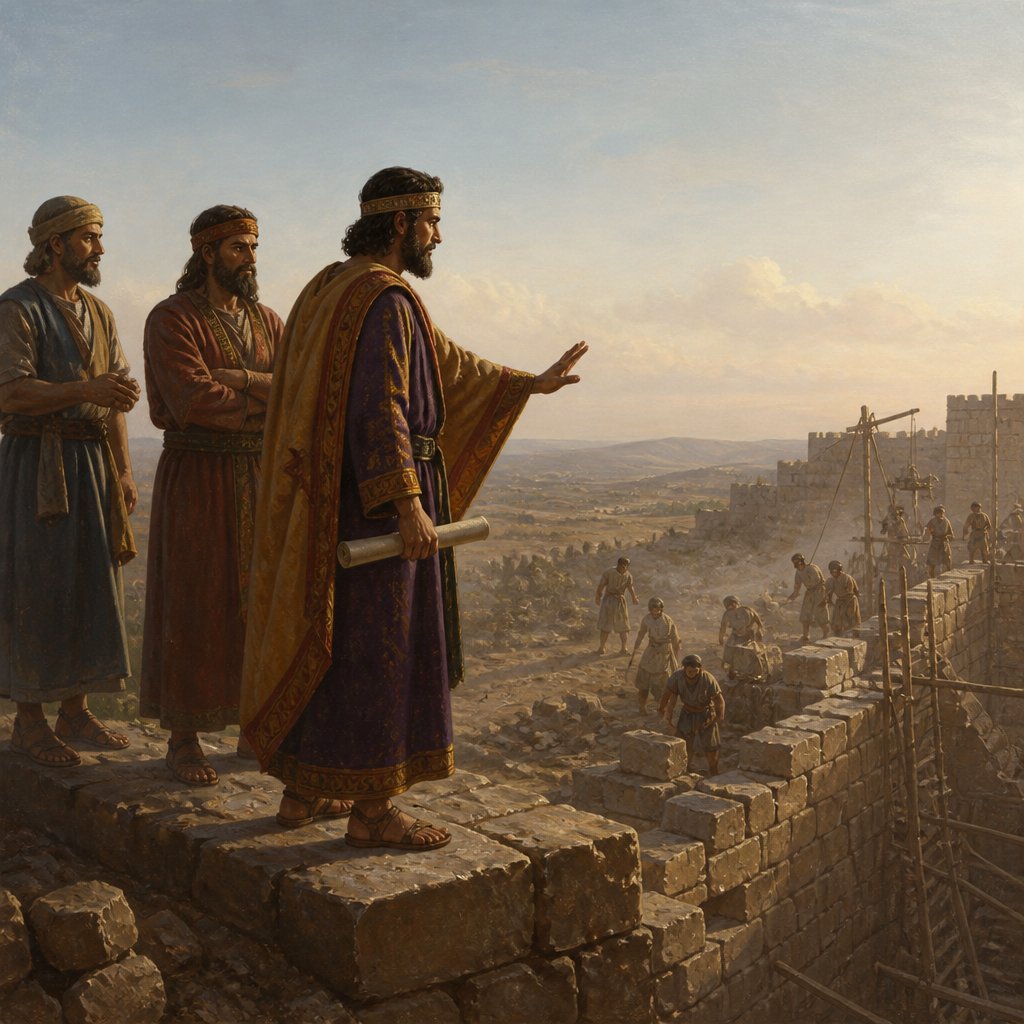
In the account of Ezra, we see a group of Israelites returning from Babylonian exile, eager to rebuild the temple in Jerusalem. Yet, as they initiate this significant undertaking, they are met with opposition and hindrance from surrounding kingdoms. Amidst the challenges they face, the counsel given in Ezra 4:22 resonates profoundly: "Take heed now that ye fail not to do this: why should damage grow to the hurt of the kings?" This exhortation serves as both a warning and an encouragement to remain steadfast in pursuing God's will, even when circumstances are difficult.
This verse beckons us to reflect on the nature of our responsibilities—responsibilities not only to ourselves but to those around us, including authority figures. In our modern context, "the kings" can symbolize leaders, authorities, or even the structures of our communities that we are to honor and respect. The directive in Ezra reminds the Israelites, and us, that our actions have consequences that may ripple beyond our immediate environment.
To "take heed" suggests an attentiveness, an active engagement with our lives and decisions. The narrative around Ezra teaches us that building something lasting—whether it is a community of faith, a family, or a project—requires diligence and awareness of the potential implications of our choices. When we fail to act responsibly, not only do we jeopardize our own efforts but we may inadvertently harm those in leadership or positions of influence who may become affected by our negligence.
In a world where chaos often reigns, the call to be vigilant can be daunting. Each day, we are inundated with choices that test our commitment to integrity and righteousness. Whether through our workplaces, community involvement, or personal relationships, how often do we reflect on the broader impact of our actions? Do we approach our decisions with the foresight necessary to prevent "damage"—not just to ourselves but to others, including those in power? It is all too easy to get lost in the rush of life, becoming self-absorbed, neglecting the interconnectedness that exists within our spheres of influence.
Scripture presents countless examples where negligence led to conflict and discord. The narrative of King David comes to mind. His coveting of Bathsheba and the subsequent orchestration of Uriah’s death illustrates the far-reaching consequences of individual sins—even from a man after God’s own heart. David’s actions caused ripple effects that extended well beyond his personal life, leading to turmoil within his family and his kingdom. In contrast, when we operate with mindfulness and integrity, we can mitigate harm and promote peace.
Moreover, this verse encourages us to remember the authority God places in our lives. The leaders, or "kings" of our day, rely on the conduct of their constituents to help create a harmonious society. When believers in Christ act with diligence and respect for authority, we reflect the character of Christ to the world around us. In Romans 13:1, we are reminded that all authority comes from God and that we are to submit to it. The behavior we exhibit not only impacts our immediate environment but can also be a reflective testimony of Christ’s love and righteousness.
Thus, may we embrace the wisdom of Ezra’s counsel. Let us take heed to our actions, grounding our decisions in prayer and seeking guidance from the Holy Spirit. As we do so, we become stewards of our responsibilities, mindful of how our choices can either contribute to the flourishing of others or sow discord. Let us consider how we can foster unity, respect, and love within our communities—rendering honor to God through our integrity and diligence. In doing so, we not only guard against potential damage to those around us but also stand as witnesses of peace in a world that desperately needs it.
Get our apps


Artwork for Ezra 4:22

Ezra 4:22 - "Take heed now that ye fail not to do this: why should damage grow to the hurt of the kings?"
"Take heed now that ye fail not to do this: why should damage grow to the hurt of the kings?" - Ezra 4:22

Ezra 4:4

Ezra 4:4

Ezra 2:22 - "The men of Netophah, fifty and six."

Ezra 10:22 - "And of the sons of Pashur; Elioenai, Maaseiah, Ishmael, Nethaneel, Jozabad, and Elasah."

Zerubbabel in Ezra chapter 4

Zerubbabel in Ezra chapter 4
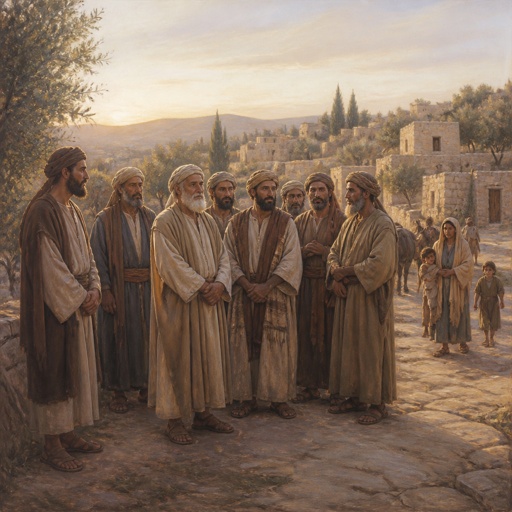
"The men of Netophah, fifty and six." - Ezra 2:22

Ezra 4:4 - "Then the people of the land weakened the hands of the people of Judah, and troubled them in building,"

Letter to the king in Ezra chapter 4

Ezra 7:4 - "The son of Zerahiah, the son of Uzzi, the son of Bukki,"

Ezra 2:4 - "The children of Shephatiah, three hundred seventy and two."

Ezra 8:4 - "Of the sons of Pahath-moab; Elihoenai the son of Zerahiah, and with him two hundred males."
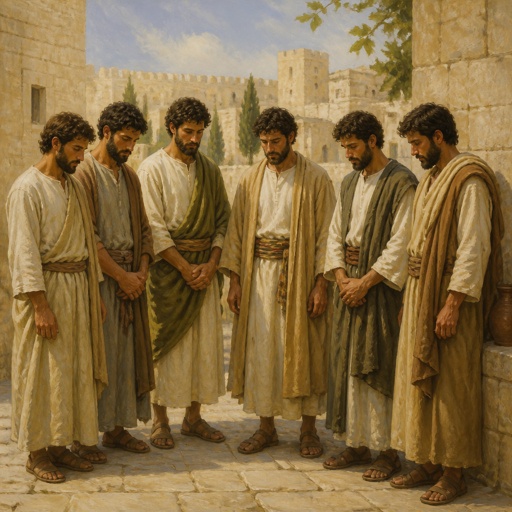
"And of the sons of Pashur; Elioenai, Maaseiah, Ishmael, Nethaneel, Jozabad, and Elasah." - Ezra 10:22

Ezra 7:22 - "Unto an hundred talents of silver, and to an hundred measures of wheat, and to an hundred baths of wine, and to an hundred baths of oil, and salt without prescribing how much."

Ezra 5:4 - "Then said we unto them after this manner, What are the names of the men that make this building?"

Ezra 4:8 - "Rehum the chancellor and Shimshai the scribe wrote a letter against Jerusalem to Artaxerxes the king in this sort:"

Ezra 10:4 - "Arise; for this matter belongeth unto thee: we also will be with thee: be of good courage, and do it."

"Then the people of the land weakened the hands of the people of Judah, and troubled them in building," - Ezra 4:4

Ezra 4:18 - "The letter which ye sent unto us hath been plainly read before me."

"The son of Zerahiah, the son of Uzzi, the son of Bukki," - Ezra 7:4

Ezra 4:6 - "And in the reign of Ahasuerus, in the beginning of his reign, wrote they unto him an accusation against the inhabitants of Judah and Jerusalem."

Ezra 6:4 - "With three rows of great stones, and a row of new timber: and let the expenses be given out of the king's house:"

Ezra 4:10 - "And the rest of the nations whom the great and noble Asnappar brought over, and set in the cities of Samaria, and the rest that are on this side the river, and at such a time."

Ezra 4:24 - "Then ceased the work of the house of God which is at Jerusalem. So it ceased unto the second year of the reign of Darius king of Persia."

1 Chronicles 4:17 - "And the sons of Ezra were, Jether, and Mered, and Epher, and Jalon: and she bare Miriam, and Shammai, and Ishbah the father of Eshtemoa."

Ezra 4:1 - "Now when the adversaries of Judah and Benjamin heard that the children of the captivity builded the temple unto the LORD God of Israel;"

"The children of Shephatiah, three hundred seventy and two." - Ezra 2:4

Ezra 4:21 - "Give ye now commandment to cause these men to cease, and that this city be not builded, until another commandment shall be given from me."