What does Ezra 4:22 mean?
“Take heed now that ye fail not to do this: why should damage grow to the hurt of the kings?” — Ezra 4:22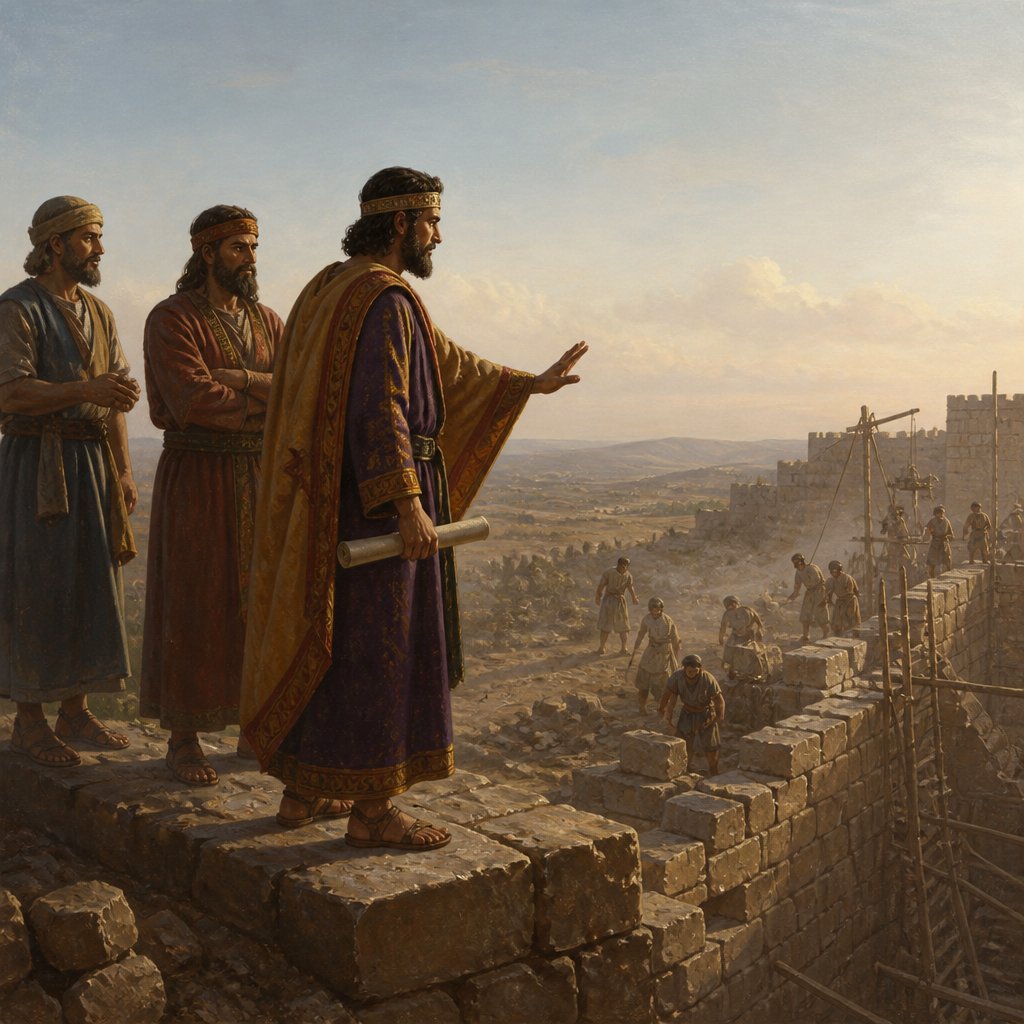
Ezra 4:22 (KJV) - "Take heed now that ye fail not to do this: why should damage grow to the hurt of the kings?"
The book of Ezra is a historical account of the Israelites' return from exile in Babylon and their rebuilding of the temple in Jerusalem. In this verse, the Persian king Artaxerxes is cautioning the officials in charge of Judea to carry out his commands and not to neglect their duties, in order to prevent any potential harm to the king's interests.
The theme of obedience to authority and fulfilling one's responsibilities is prevalent in this verse. King Artaxerxes is concerned about the potential damage and harm that could result from the officials' neglect of their duties. This reflects the importance of diligence and obedience in carrying out responsibilities, especially when entrusted with tasks of significance. This theme is a recurring motif in the Bible, emphasizing the importance of faithfulness and obedience to God and earthly authorities.
The context of this verse is rooted in the historical and political situation of the Israelites during the Persian Empire. After their exile in Babylon, the Israelites were given permission by the Persian king Cyrus to return to Jerusalem and rebuild the temple. However, due to opposition and interference from the surrounding nations, the Israelites faced many challenges and obstacles in carrying out their task. This verse captures the ongoing political tensions and struggles faced by the Israelites as they sought to fulfill their responsibilities.
Symbolically, this verse can be viewed as a reminder for believers to remain steadfast in their faith and duties, despite external pressures and opposition. The admonition to "take heed" and "fail not to do this" reflects the need for vigilance and perseverance in carrying out God's will. The potential "damage" and "hurt" mentioned in the verse can be interpreted as the consequences of neglecting one's responsibilities and the impact of disobedience. This serves as a warning to believers to remain obedient and faithful in their walk with God, as negligence can lead to harm and hinder the fulfillment of God's purposes.
Moreover, this verse also underscores the divine sovereignty and providence of God. Despite the challenges and opposition faced by the Israelites, the overarching control and guidance of God is evident throughout the book of Ezra. The king's caution to prevent damage and harm aligns with God's ultimate plan and protection for His people. It reinforces the idea that God is in control, and His will shall ultimately prevail, despite the adversities and obstacles encountered.
In conclusion, Ezra 4:22 in the King James Version echoes themes of obedience, diligence, and divine sovereignty. It serves as a reminder for believers to remain steadfast in their faith and responsibilities, despite external pressures and opposition. The verse captures the historical and political challenges faced by the Israelites, while also symbolically emphasizing the significance of obedience to God's will. Ultimately, this verse illustrates the overarching providence of God and the importance of remaining faithful amidst adversity.
Get our apps


Artwork for Ezra 4:22

Ezra 4:22 - "Take heed now that ye fail not to do this: why should damage grow to the hurt of the kings?"
"Take heed now that ye fail not to do this: why should damage grow to the hurt of the kings?" - Ezra 4:22

Ezra 4:4

Ezra 4:4

Ezra 2:22 - "The men of Netophah, fifty and six."

Ezra 10:22 - "And of the sons of Pashur; Elioenai, Maaseiah, Ishmael, Nethaneel, Jozabad, and Elasah."

Zerubbabel in Ezra chapter 4

Zerubbabel in Ezra chapter 4
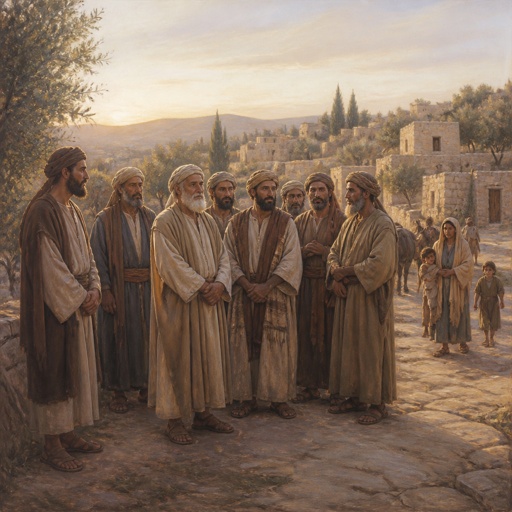
"The men of Netophah, fifty and six." - Ezra 2:22

Ezra 4:4 - "Then the people of the land weakened the hands of the people of Judah, and troubled them in building,"

Letter to the king in Ezra chapter 4

Ezra 7:4 - "The son of Zerahiah, the son of Uzzi, the son of Bukki,"

Ezra 2:4 - "The children of Shephatiah, three hundred seventy and two."

Ezra 8:4 - "Of the sons of Pahath-moab; Elihoenai the son of Zerahiah, and with him two hundred males."
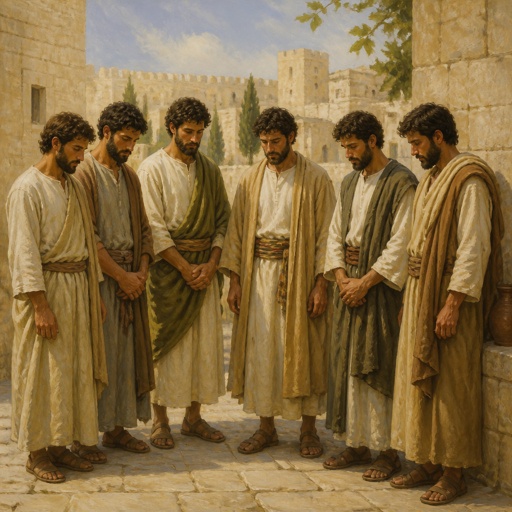
"And of the sons of Pashur; Elioenai, Maaseiah, Ishmael, Nethaneel, Jozabad, and Elasah." - Ezra 10:22

Ezra 7:22 - "Unto an hundred talents of silver, and to an hundred measures of wheat, and to an hundred baths of wine, and to an hundred baths of oil, and salt without prescribing how much."

Ezra 5:4 - "Then said we unto them after this manner, What are the names of the men that make this building?"

Ezra 4:8 - "Rehum the chancellor and Shimshai the scribe wrote a letter against Jerusalem to Artaxerxes the king in this sort:"

Ezra 10:4 - "Arise; for this matter belongeth unto thee: we also will be with thee: be of good courage, and do it."

"Then the people of the land weakened the hands of the people of Judah, and troubled them in building," - Ezra 4:4

Ezra 4:18 - "The letter which ye sent unto us hath been plainly read before me."

"The son of Zerahiah, the son of Uzzi, the son of Bukki," - Ezra 7:4

Ezra 4:6 - "And in the reign of Ahasuerus, in the beginning of his reign, wrote they unto him an accusation against the inhabitants of Judah and Jerusalem."

Ezra 6:4 - "With three rows of great stones, and a row of new timber: and let the expenses be given out of the king's house:"

Ezra 4:10 - "And the rest of the nations whom the great and noble Asnappar brought over, and set in the cities of Samaria, and the rest that are on this side the river, and at such a time."

Ezra 4:24 - "Then ceased the work of the house of God which is at Jerusalem. So it ceased unto the second year of the reign of Darius king of Persia."

1 Chronicles 4:17 - "And the sons of Ezra were, Jether, and Mered, and Epher, and Jalon: and she bare Miriam, and Shammai, and Ishbah the father of Eshtemoa."

Ezra 4:1 - "Now when the adversaries of Judah and Benjamin heard that the children of the captivity builded the temple unto the LORD God of Israel;"

"The children of Shephatiah, three hundred seventy and two." - Ezra 2:4

Ezra 4:21 - "Give ye now commandment to cause these men to cease, and that this city be not builded, until another commandment shall be given from me."