Uncovering Ancient Truths: The Roll of Ezra
“And there was found at Achmetha, in the palace that is in the province of the Medes, a roll, and therein was a record thus written:” — Ezra 6:2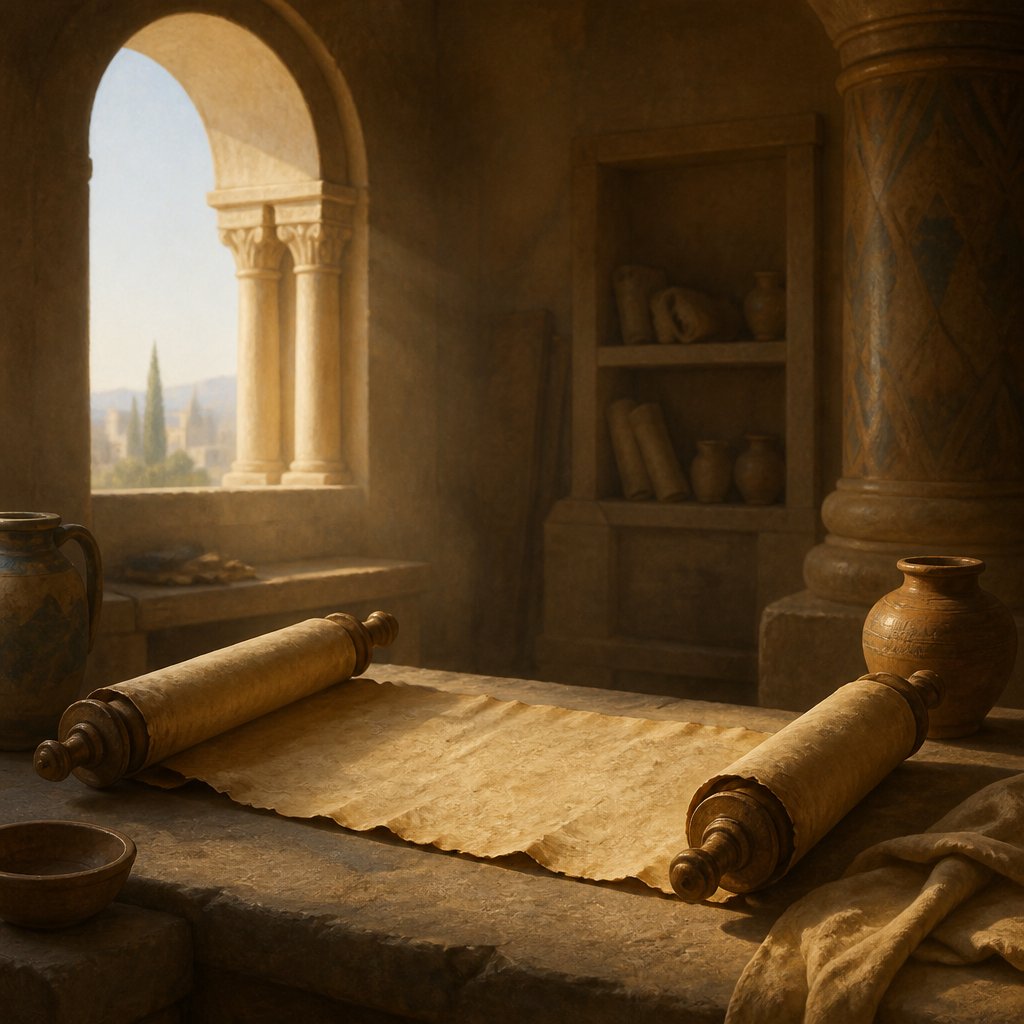
In the grand narrative of the Bible, each verse often hides within it a world of significance, lessons waiting to be unveiled. Ezra 6:2 is one such verse that invites us to explore the deep truths of God’s nature and His providence in our lives. The verse reads: "And there was found at Achmetha, in the palace that is in the province of the Medes, a roll, and therein was a record thus written."
This scripture relates to a pivotal moment in the history of the Jewish people. The context is essential to fully appreciate its meaning. The roll discovered in Achmetha was not an ordinary document; it contained the decree of King Cyrus permitting the Jews to return to Jerusalem and rebuild the temple. In the ancient world, rolls were used to preserve important records and decrees. Much like finding an undiscovered map leading to hidden treasure, the discovery of this roll signified hope, restoration, and the realization of God’s promises to His people.
The first point of contemplation here is the location: Achmetha, in the Medes' province. This denotes a place that is far removed from the original context of the Jewish people, showcasing the truth that God can work through diverse circumstances and environments to fulfill His will. Achmetha teaches us that no matter how distant you may feel from God, or how far you feel from your promised land, He can still reach you. In our lives, we may find ourselves in situations that feel foreign and uncomfortable; yet it is in these unfamiliar territories where God often reveals Himself.
As we explore the phrase "there was found,” we are reminded that God operates in the realm of discovery and revelation. The act of finding the roll implies that we, too, must seek to uncover the truths that God has embedded in our lives. Just as the officials unearthed an important document, we are called to search the Scriptures diligently and seek the Lord in prayer. This is a call to action, encouraging us to participate actively in our faith. It invites us to ask ourselves—what truths might we yet uncover in our own lives? What aspects of God’s word could we explore deeper?
When the roll was discovered, it contained a record that outlined the decree of King Cyrus. This moment is significant not just because of the physical restoration of the temple but because it pointed to God’s relentless faithfulness. The Scriptures remind us that God’s promises do not waver with time or circumstance. In Ezra’s time, the Jews were returning from captivity, and the once-destroyed temple was to be rebuilt, flourishing once more. This holds a powerful spiritual parallel for us today. Just as the ancient Israelites were promised restoration, we too have been promised renewal through Christ.
Thus, when we ponder the contents of the record found on that roll, we find more than a historical note; we discover the adventurous unfolding of God’s plan. This should inspire us to trust in His timing and means of deliverance. God’s restoration may not always align with our expectations—it could be at an Achmetha of uncertainty—but we can be assured that He is working, revealing, and restoring.
Finally, let us consider the joy that the finding of this roll must have brought to the Jewish exiles. We often overlook the emotional response that accompanies significant discoveries in our spiritual journey. As we find God’s truths in our lives—through His word, through prayer, through community—there is a sense of joy and relief that floods our hearts. This joy is a reminder of God’s presence and promises—of His commitment to our restoration and the divine history we share with Him.
As we conclude this reflection on Ezra 6:2, may we take to heart the importance of seeking God’s truth in every area of our lives, confident that just as the roll was found at Achmetha, so too can we find God who is always near to those who earnestly seek Him. Let His words and signs guide us through our own journey of faith, leading us to a fuller understanding of His will and design in our lives.
Get our apps


Artwork for Ezra 6:2

Ezra 6:2 - "And there was found at Achmetha, in the palace that is in the province of the Medes, a roll, and therein was a record thus written:"
"And there was found at Achmetha, in the palace that is in the province of the Medes, a roll, and therein was a record thus written:" - Ezra 6:2

Ezra 2:6 - "The children of Pahath-moab, of the children of Jeshua and Joab, two thousand eight hundred and twelve."

Ezra 9:6

Ezra 6:16

Zerubbabel in Ezra chapter 6

Ezra 6:1-12

Ezra 6:15-16

Ezra 6:15-16
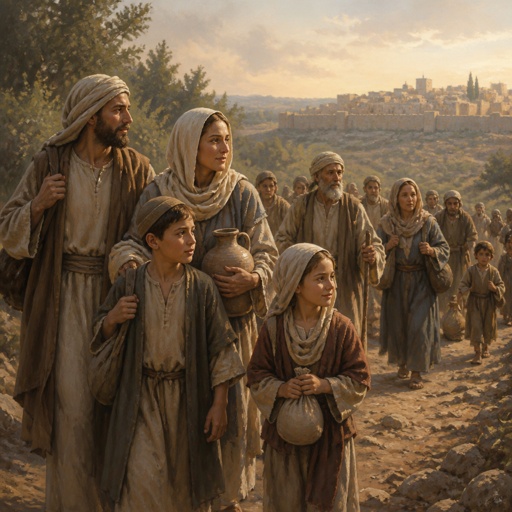
"The children of Pahath-moab, of the children of Jeshua and Joab, two thousand eight hundred and twelve." - Ezra 2:6

Ezra 3:2

Ezra 3:2

Ezra 3:2

Ezra 6:19 - "And the children of the captivity kept the passover upon the fourteenth day of the first month."

Ezra 8:6 - "Of the sons also of Adin; Ebed the son of Jonathan, and with him fifty males."

Ezra 3:2

Ezra 3:2

Ezra 6:6 - "Now therefore, Tatnai, governor beyond the river, Shethar-boznai, and your companions the Apharsachites, which are beyond the river, be ye far from thence:"

Ezra 9:1-2

Zerubbabel in Ezra chapter 2

Ezra 7:6 - "This Ezra went up from Babylon; and he was a ready scribe in the law of Moses, which the LORD God of Israel had given: and the king granted him all his request, according to the hand of the LORD his God upon him."

Ezra 2:22 - "The men of Netophah, fifty and six."
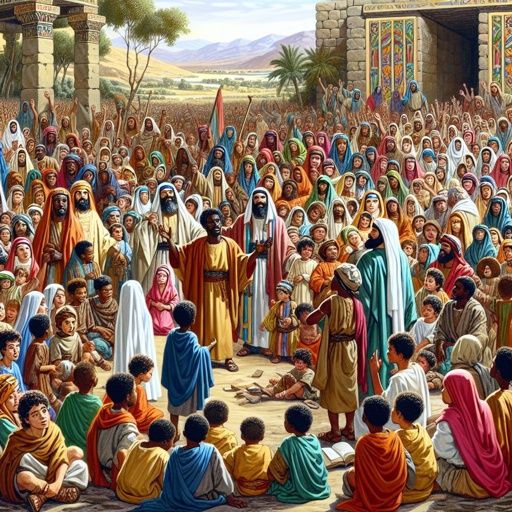
Ezra 2:18 - "The children of Jorah, an hundred and twelve."

Ezra 2:54 - "The children of Neziah, the children of Hatipha."

Ezra 2:20 - "The children of Gibbar, ninety and five."

Ezra 2:24 - "The children of Azmaveth, forty and two."

Ezra 2:39 - "The children of Harim, a thousand and seventeen."

Ezra 9:1-2

Ezra 2:9 - "The children of Zaccai, seven hundred and threescore."

Ezra 2:27 - "The men of Michmas, an hundred twenty and two."