Purification and Passover: A Reflection on Ezra 6:20
“For the priests and the Levites were purified together, all of them were pure, and killed the passover for all the children of the captivity, and for their brethren the priests, and for themselves.” — Ezra 6:20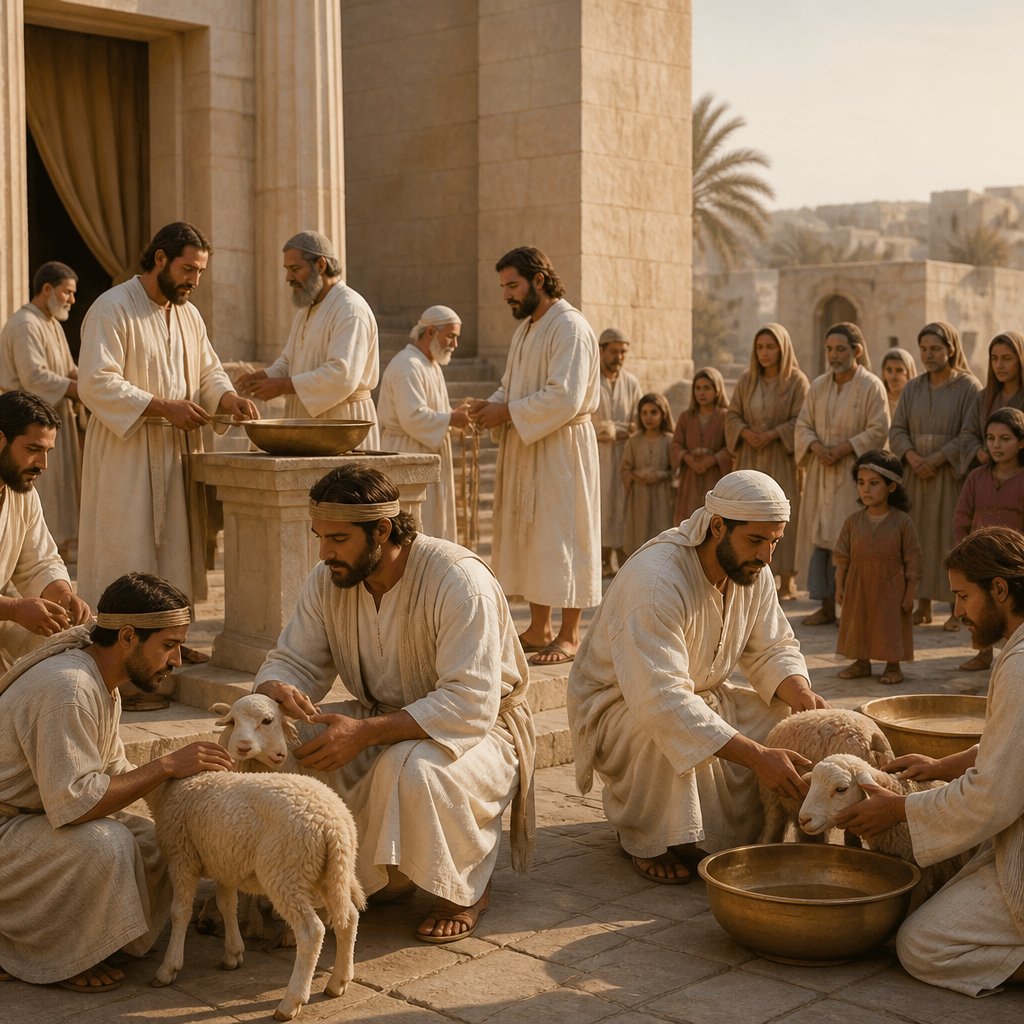
**Devotional: Purification and Passover**
**Scripture Reference: Ezra 6:20 (KJV)**
*"For the priests and the Levites were purified together, all of them were pure, and killed the passover for all the children of the captivity, and for their brethren the priests, and for themselves."*
In the book of Ezra, we witness the return of the Israelites from Babylonian captivity and their earnest efforts to restore their nation and worship. Chapter 6 culminates a significant revival, characterized by the rebuilding of the temple and the celebration of the Passover. This passage, Ezra 6:20, provides a deep insight into the themes of purification, community, and the sacredness of remembrance.
**Purification According to Divine Order**
The act of purification is central to the Israelite way of life, particularly in their worship. Here, the priests and Levites, the spiritual leaders, are noted for being "purified together." This collective act signifies unity and the necessity of a pure heart when approaching God. Purification is not merely about ritual cleansing; it is a profound acknowledgment of one’s unworthiness before the holiness of God. In this context, the priests and Levites understood that their role was pivotal not only for their personal standing before the Lord but also for their community's approach to worship.
This principle of collective purification is reflected in our lives today. As believers, we recognize that our individual walks with God are interconnected with one another. When the body of Christ comes together in unity, purifying ourselves through confession, prayer, and seeking the Lord's sanctification, we experience a greater outpouring of His presence. Jesus taught us in Matthew 18:20 that, "For where two or three are gathered together in my name, there am I in the midst of them." Our collective purification draws His presence among us, enhancing our communal worship experience.
**The Weight of the Passover**
The sacrificial act of killing the Passover lamb was not simply a tradition; it was steeped in meaning and remembrance. The Passover commemorated the deliverance of the Israelites from slavery in Egypt. As they observed this feast, they recalled God’s faithfulness and the price paid for their freedom. When we read, "and killed the Passover for all the children of the captivity," we witness the intersection of remembrance and community. The responsibility of the priests was to ensure that all were included in this sacred act. This unity in remembrance binds them as a nation, highlighting how corporate memory can strengthen faith and resolve in a community.
In our contemporary context, the Lord’s Supper serves as our Passover. As we partake in communion, we are enjoined to remember the sacrifice of Christ, who shed His blood so we might have eternal life. Paul reminds us in 1 Corinthians 11:24-25 of the significance of this shared meal, emphasizing how it strengthens us and bonds us closer to Christ and one another. This sacred act oozes with grace, reminding us to reflect not only on our personal journeys but the journeys of our brethren as well.
**For Themselves and Their Brethren**
The concluding phrase, "and for themselves," holds a profound revelation. Personal purification and communal worship must coexist. The priests and Levites did not only act on behalf of others; they understood their need for atonement and cleansing. They engaged in the sacrificial act for their own lives, which mirrors the truth that we cannot minister effectively if we neglect our relationship with God.
We are called to examine our hearts regularly (2 Corinthians 13:5). Before we reach out to serve others, we must seek our purity. Realize that no ministry, no act of service is sustainable or impactful without first being stirred by the love of Christ in our lives.
As we move through this day, let us reflect on Ezra 6:20. May we pursue purification together, remember the incredible grace of God, and actively engage in acts of worship that honor not just our personal journeys, but our collective journey as the body of Christ. Today, let’s be a community of purified hearts that remembers vividly and celebrates the salvation given through Jesus, our Passover lamb.
Get our apps


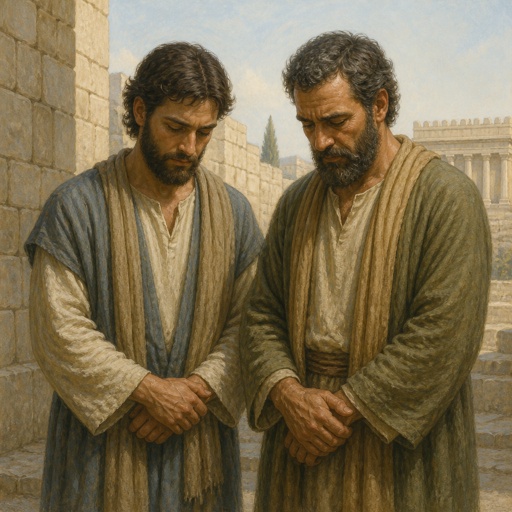
Artwork for Ezra 6:20
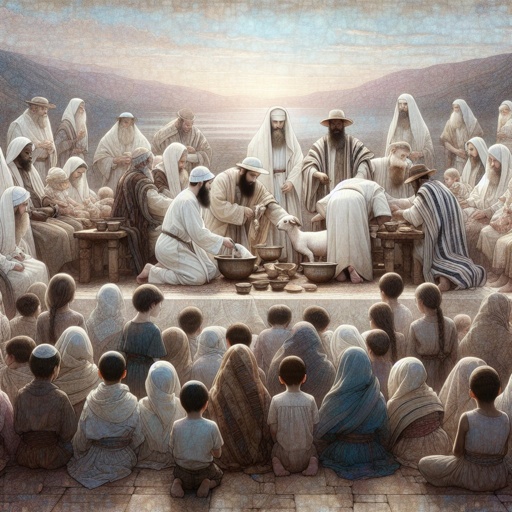
Ezra 6:20 - "For the priests and the Levites were purified together, all of them were pure, and killed the passover for all the children of the captivity, and for their brethren the priests, and for themselves."

Ezra 6:20 - "For the priests and the Levites were purified together, all of them were pure, and killed the passover for all the children of the captivity, and for their brethren the priests, and for themselves."

Ezra 6:20 - "For the priests and the Levites were purified together, all of them were pure, and killed the passover for all the children of the captivity, and for their brethren the priests, and for themselves."
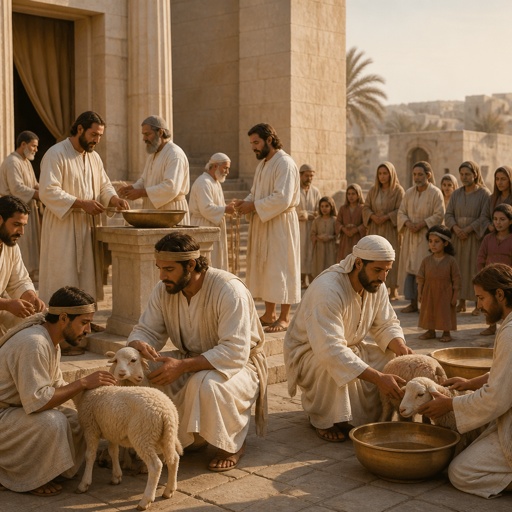
"For the priests and the Levites were purified together, all of them were pure, and killed the passover for all the children of the captivity, and for their brethren the priests, and for themselves." - Ezra 6:20

Ezra 2:20 - "The children of Gibbar, ninety and five."

Ezra 10:20 - "And of the sons of Immer; Hanani, and Zebadiah."

Ezra 9:6

Ezra 6:16

Zerubbabel in Ezra chapter 6

Ezra 6:1-12

Ezra 6:15-16

Ezra 6:15-16
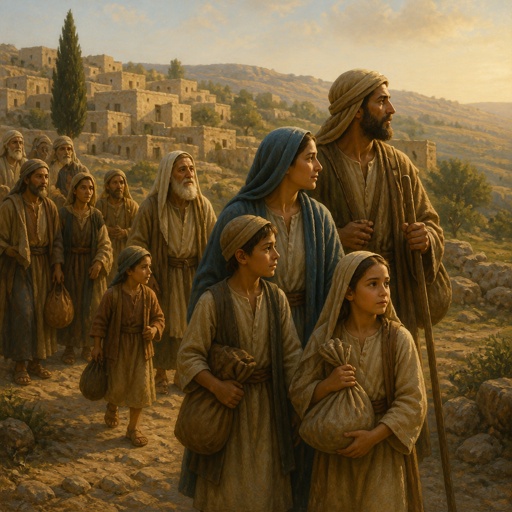
"The children of Gibbar, ninety and five." - Ezra 2:20
"And of the sons of Immer; Hanani, and Zebadiah." - Ezra 10:20

Ezra 6:19 - "And the children of the captivity kept the passover upon the fourteenth day of the first month."

Ezra 8:6 - "Of the sons also of Adin; Ebed the son of Jonathan, and with him fifty males."

Ezra 6:6 - "Now therefore, Tatnai, governor beyond the river, Shethar-boznai, and your companions the Apharsachites, which are beyond the river, be ye far from thence:"

Ezra 6:2 - "And there was found at Achmetha, in the palace that is in the province of the Medes, a roll, and therein was a record thus written:"

Ezra 2:6 - "The children of Pahath-moab, of the children of Jeshua and Joab, two thousand eight hundred and twelve."

Ezra 7:6 - "This Ezra went up from Babylon; and he was a ready scribe in the law of Moses, which the LORD God of Israel had given: and the king granted him all his request, according to the hand of the LORD his God upon him."

Ezra 6:15 - "And this house was finished on the third day of the month Adar, which was in the sixth year of the reign of Darius the king."

Ezra 6:16 - "¶ And the children of Israel, the priests, and the Levites, and the rest of the children of the captivity, kept the dedication of this house of God with joy,"

Ezra 6:18 - "And they set the priests in their divisions, and the Levites in their courses, for the service of God, which is at Jerusalem; as it is written in the book of Moses."

Ezra 6:10 - "That they may offer sacrifices of sweet savours unto the God of heaven, and pray for the life of the king, and of his sons."

Ezra 7:20 - "And whatsoever more shall be needful for the house of thy God, which thou shalt have occasion to bestow, bestow it out of the king's treasure house."

Ezra 8:20 - "Also of the Nethinims, whom David and the princes had appointed for the service of the Levites, two hundred and twenty Nethinims: all of them were expressed by name."

Ezra 4:6 - "And in the reign of Ahasuerus, in the beginning of his reign, wrote they unto him an accusation against the inhabitants of Judah and Jerusalem."

Ezra 6:4 - "With three rows of great stones, and a row of new timber: and let the expenses be given out of the king's house:"

Ezra 6:1 - "Then Darius the king made a decree, and search was made in the house of the rolls, where the treasures were laid up in Babylon."

Ezra 10:6 - "¶ Then Ezra rose up from before the house of God, and went into the chamber of Johanan the son of Eliashib: and when he came thither, he did eat no bread, nor drink water: for he mourned because of the transgression of them that had been carried away."