The Legacy of Ham: A Study of Descendants and Destiny
“And the sons of Ham; Cush, and Mizraim, and Phut, and Canaan.” — Genesis 10:6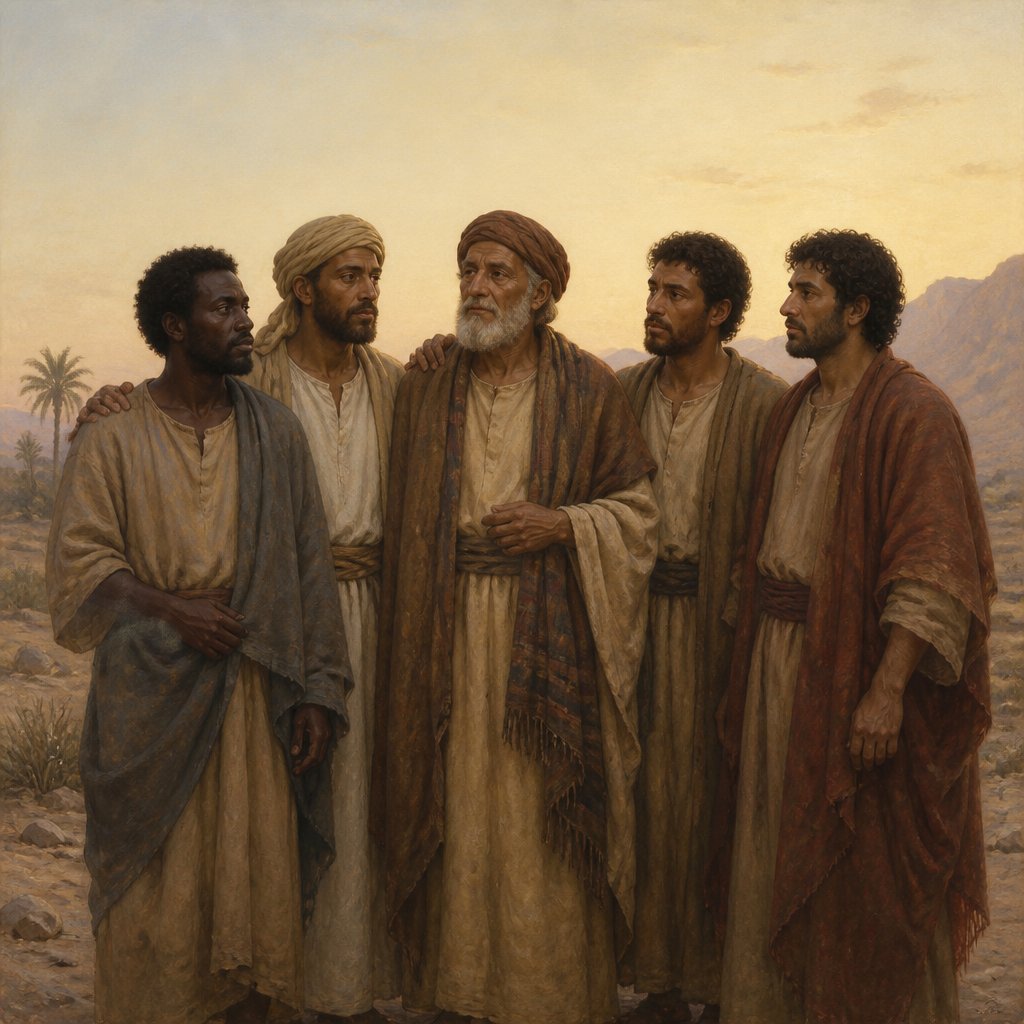
In studying the genealogy of Genesis, we sometimes skim over the lists of names and places that may feel unimportant or monotonous. Yet, embedded within these seemingly dry passages is a wealth of insight into the human condition, divine purpose, and the unfolding story of creation and redemption. Genesis 10:6 reminds us: "And the sons of Ham; Cush, and Mizraim, and Phut, and Canaan." This verse is not merely a record of lineage but a powerful commentary on legacy, identity, and the eternal implications of our choices.
In examining the sons of Ham—Cush, Mizraim, Phut, and Canaan—we uncover a tapestry that portrays the diversity of nations and cultures that descended from Ham. Cush, often associated with the regions of modern-day Sudan and upper Egypt, is significant in biblical texts as a land of wealth and mystery. Mizraim, recognized as Egypt, stands as one of the most influential civilizations in the ancient world, renowned for its advances in knowledge, culture, and technology. Phut, sometimes linked to the regions of Libya, highlights the expansive reach of Ham's descendants toward the West. Lastly, Canaan is pivotal in biblical history, symbolizing the Promised Land, the stage upon which much of the Israelite narrative unfolds.
What we see in these descendants is not merely geographic distribution; there are profound implications regarding God’s purpose for humanity. Each of Ham's sons contributed to the fulfillment of God's command to "be fruitful and multiply, and replenish the earth" (Genesis 1:28). This command speaks to the intent of the Creator to populate the Earth with diverse peoples, each with distinct roles in His greater story.
However, the legacy of Ham is complicated by the more detailed narratives that follow. Particularly, Canaan is noted for his cursed lineage, which brings a stark reminder of the consequences of sin and disobedience. When Ham dishonors his father Noah, it results in a curse upon Canaan rather than upon Ham himself. This moment serves as a profound lesson in familial responsibility and the far-reaching consequences of our actions. It teaches us that our choices do not merely affect us; they echo throughout generations, shaping destinies yet to be written.
So what does this mean for us today? The family dynamics we create and our actions toward others—especially our own families—bear fruit that manifests in countless ways. As stewards of the relationships we cultivate, we must be aware that our legacies are either a blessing or a curse, influencing not only our immediate surroundings but also the future generations that will bear the weight of our decisions. Choices made in the light of love, forgiveness, and truth pave the way for blessings, while decisions rooted in selfishness or dishonor can lead to strife and division.
Additionally, examining the descendants of Ham invites reflection upon our own identities. Our backgrounds, cultures, and histories are all parts of God's intricate design for humanity. Each of us carries a story that contributes to the collective narrative of God's kingdom. We are called to recognize and celebrate this diversity while also acknowledging our common need for redemption through Jesus Christ. Just as the nations from Ham's offspring had the opportunity to turn toward God, we too have the chance today to redefine our legacy through faith and obedience.
In conclusion, as we read Genesis 10:6, let us not forget the deeper meanings behind these names. As we acknowledge the rich heritage and the complexities that accompany it, we are invited to evaluate our own lives. What legacy am I leaving? Am I fostering a lineage of faith, love, and righteousness? Or am I, like Ham, risking the future of my lineage through careless actions? Let us strive to honor the Lord in our decisions, that our descendants may inherit a blessing rather than a curse, truly reflecting the glory of God in all the earth.
Get our apps


Artwork for Genesis 10:6

Genesis 10:6 - "¶ And the sons of Ham; Cush, and Mizraim, and Phut, and Canaan."
"¶ And the sons of Ham; Cush, and Mizraim, and Phut, and Canaan." - Genesis 10:6

Genesis 6:10 - "And Noah begat three sons, Shem, Ham, and Japheth."
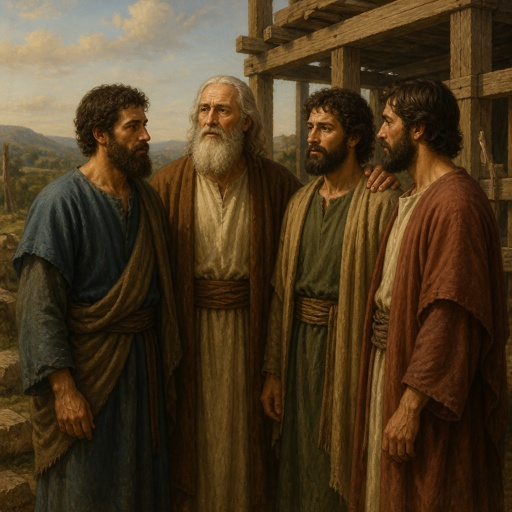
"And Noah begat three sons, Shem, Ham, and Japheth." - Genesis 6:10

Genesis 1:6-8

Genesis 1:6-8

Genesis 15:10

Genesis 23-10

Genesis 22-10

Genesis 16:10

Genesis 13:10

Genesis 17:10

Genesis 19-10

Genesis 20-10

Genesis 22:10

Genesis 21-10

Genesis 18-10

Genesis 24:10

Genesis 25-10

Genesis 28:10

Genesis 10:10 - "And the beginning of his kingdom was Babel, and Erech, and Accad, and Calneh, in the land of Shinar."

Genesis 19-6

Genesis 29-6

Genesis 18-6

Genesis 17:6

Genesis 23-6

Genesis 18-6

Genesis 16:6

Genesis 6:4

Genesis 25-6