The Legacy of Nimrod: Strength and Shadows
“And Cush begat Nimrod: he began to be a mighty one in the earth.” — Genesis 10:8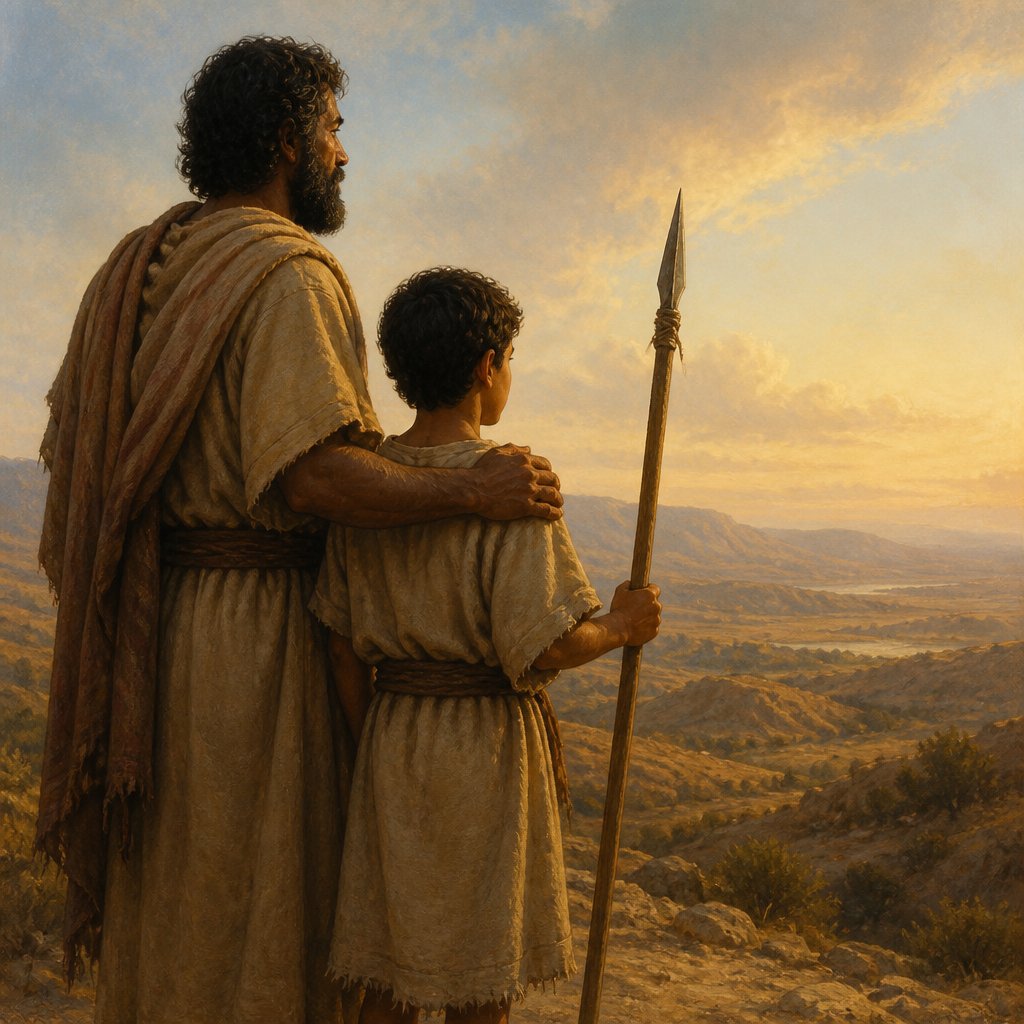
The lineage of biblical figures often carries with it a weight of responsibility, a calling to fulfill a divine purpose or instruction. Genesis 10:8 captures a pivotal character in the post-flood narrative: "And Cush begat Nimrod: he began to be a mighty one in the earth." This seemingly straightforward verse opens the door to profound insights regarding legacy, ambition, and the dual nature of power.
Nimrod, the son of Cush, is introduced as a figure of prominence and might. His name itself conjures images of strength, ambition, and achievement. In a broken world emerging from the remnants of the Flood, where humanity was reestablishing itself, Nimrod's rise to power symbolizes the capability to harness human potential for greatness. In many ways, he embodies the very spirit of human endeavor—striving, pushing through obstacles, and making a mark.
However, one must pause to consider the context in which Nimrod flourished. The biblical narrative often portrays a tension between earthly ambition and divine purpose. While being “mighty” might traditionally be seen as a positive attribute, the scripture does not accompany this description with the necessary qualifiers. In fact, later interpretations of Nimrod’s legacy offer a more complex picture. Traditionally depicted as a hunter and a ruler, it is essential to recognize that his might was not solely defined by physical prowess or conquest but also by the breadth of his influence over mankind—one that could potentially lead them away from divine mandates.
The name "Nimrod" itself has evolved to symbolize rebellion and tyranny in some interpretations of the scriptures. As Christians, we must navigate the complex terrain of power and authority. While ambition can motivate us to achieve great things, when untethered from reliance on God and divine principles, it can lead us astray, turning our hearts toward self instead of the Savior.
In a society that often celebrates achievement and might, we would do well to learn from Nimrod’s story. There is a critical distinction between striving for greatness in a manner that honors God and pursuing it in ways that may undermine His glory. This distinction compels us to reflect on our own aspirations:
- What motivates our ambitions? Are they rooted in a desire for personal accolades, or do they seek to uplift and serve others?
- How do we wield our influence? Does it draw people towards the divine purpose or away from it?
- In what ways might we be tempted to replicate Nimrod’s pursuit of might, potentially leading to a disconnection from God?
Furthermore, Nimrod represents an archetype of the antihero in the scriptures. By recognizing that our actions resonate not just in our own lives, but throughout generations, we are reminded that leadership comes with ongoing responsibility. Our decisions shape narratives; ours could inspire a legacy rooted in righteousness or a shadow of rebellion against divine orders.
As Christians, we cannot ignore the imperative to reflect on how we want our lives to be remembered and the legacies we wish to leave behind. In our pursuit of success and influence, let us remember the attributes that God commends—humility, service, and a heart aligned with His will. The might of our lives must be expressed through childlike dependence on God's guidance, where our strength derives from Him and our actions reflect His heart.
Thus, as we meditate on Genesis 10:8, let it serve as a powerful reminder of the legacy we choose to cultivate. May we strive not for prominence alone but for a purpose that resonates with heaven—one that edifies and enriches the lives around us, bringing glory to the name of the Lord who called us into His light.
Get our apps


Artwork for Genesis 10:8

Genesis 10:8 - "And Cush begat Nimrod: he began to be a mighty one in the earth."
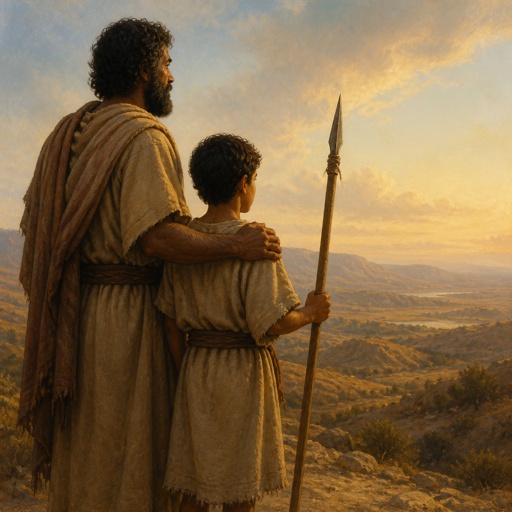
"And Cush begat Nimrod: he began to be a mighty one in the earth." - Genesis 10:8
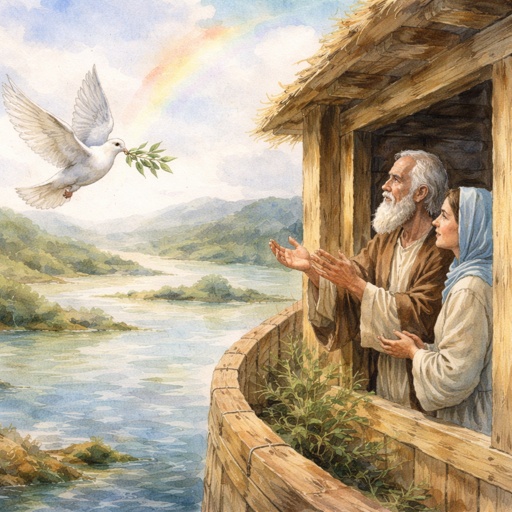
genesis 8:10-12

Genesis 8:10 - "And he stayed yet other seven days; and again he sent forth the dove out of the ark;"

ezekiel 47:8-10
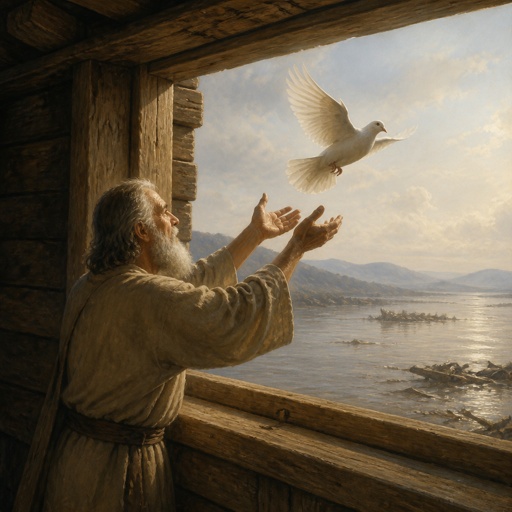
"And he stayed yet other seven days; and again he sent forth the dove out of the ark;" - Genesis 8:10

Genesis 1:6-8

Genesis 1:6-8

genesis 8:11

Genesis 3:8

genesis 8:11

Genesis 22-8

Genesis 8:11

genesis 8:11

Genesis 3:8

Genesis 8:11

Genesis 23-8

Genesis 3:8

Genesis 17:8

Genesis 21-8

genesis 8:11

Genesis 19-8

Genesis 20-8

Genesis 18-8

Genesis 24-8

Genesis 15:10

Genesis 23-10

Genesis 22-10

Genesis 16:10

Genesis 13:10