Faith Amidst Barrenness: Lessons from Sarai's Story
“But Sarai was barren; she had no child.” — Genesis 11:30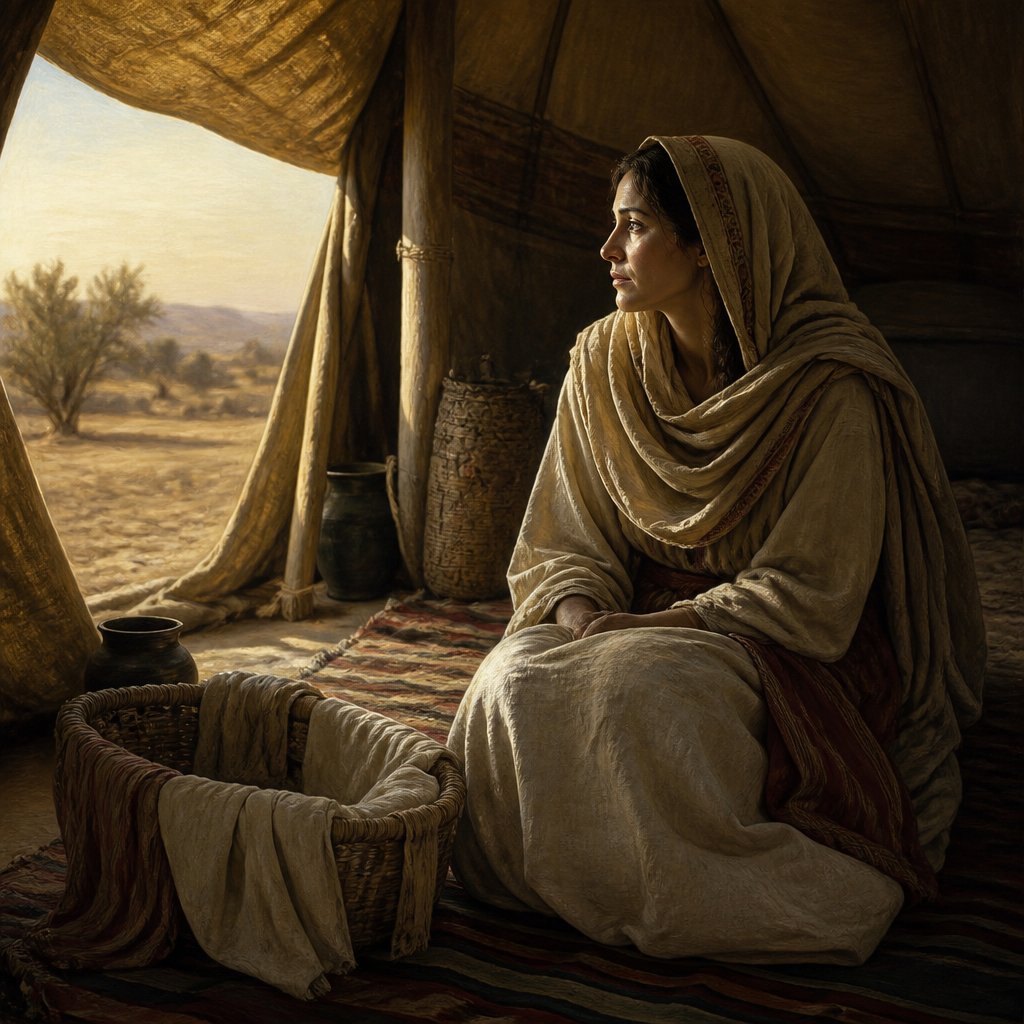
In the grand narrative of Genesis, we often look at the heroes of faith with awe, but in their stories, we often gloss over the pivotal struggles that shaped their journeys toward becoming the patriarchs and matriarchs of our faith. Genesis 11:30 states plainly, "But Sarai was barren; she had no child." This verse, while succinct, encapsulates a depth of emotion, longing, and spiritual challenge that speaks to many of us today.
Sarai, later named Sarah, was a woman cherished by her husband Abram but also marked by a profound ache. The cultural and societal expectations of her time demanded that she bear children, a rite of passage that defined a woman’s worth and legacy. Yet here we find Sarai, a woman who “had no child.” The starkness of the statement leaves little room for optimism, much like the barren periods we sometimes encounter in our own lives. When dreams remain unfulfilled, or prayers seem unanswered, we, too, feel the weight of barrenness in various forms—be it spiritually, emotionally, or relationally.
Consider for a moment the emotional turmoil Sarai must have faced. In a society where motherhood equates to dignity and identity, Sarai was rendered voiceless. Each passing year of her marriage to Abram marked not just time but a reminder of unfulfilled dreams and societal disappointment. She likely experienced a myriad of emotions: shame, anger, fear of inadequacy, and perhaps a sense of rejection by the world around her. It's essential to acknowledge that we share in the manifestations of this kind of suffering; moments when we feel barren—not from a lack of effort, but from circumstances beyond our control.
Yet, this narrative is not just one of sadness. It serves as a profound testament to God’s sovereignty and timing. Even in her barrenness, God had a plan for Sarai. She was chosen to be the mother of nations, an integral component of his covenant with Abram that would ultimately lead to the birth of Isaac—despite the years of waiting. God’s promise to Abram included the assurance that he would be the father of many, and yet in this very critical phase of their lives, Sarai’s lack of children seemed to be a contradiction to that promise.
In our lives, there are times when God’s promises feel distant or appear contradictory to our current reality. Yet, just as God’s promise to Sarai and Abram unfolded in unexpected ways, so may His promises be manifest in our own lives. The slowing down, the waiting, and even the seasons of barrenness can be sanctified periods of preparation and growth.
God desires to cultivate faith in our hearts, teaching us to rely on Him fully rather than our circumstances. Sarai's barrenness was not an end, but a context for her to learn to trust in God’s grand design, ultimately leading to profound blessings. God uses our barrenness to enrich our faith, drawing us deeper into His presence.
As we navigate our periods of waiting or feeling unfulfilled, let us take heart from Sarai’s experience. May we be reminded that God often works behind the scenes, orchestrating our blessing even when we cannot see it. Our barrenness is not a reflection of our worth or capability, but an opportunity for God’s glory to shine through us.
So, let us continue in faith, believing that God hears our silent cries and knows our unfulfilled desires. Just as Sarai learned throughout her journey, we must hold onto the truth that God is working on our behalf, knitting our stories together in His perfect tapestry—one that ultimately leads to redemption and promise. Let us embrace our seasons of waiting with grace, trusting that the Lord is good and His timing is perfect.
Get our apps


Artwork for Genesis 11:30

Genesis 11:30 - "But Sarai was barren; she had no child."
"But Sarai was barren; she had no child." - Genesis 11:30

Genesis 30:10-11

Genesis 30:11 - "And Leah said, A troop cometh: and she called his name Gad."
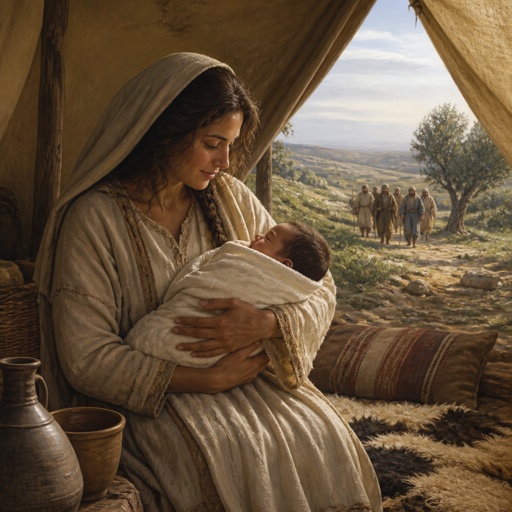
"And Leah said, A troop cometh: and she called his name Gad." - Genesis 30:11

Genesis 19-30

Genesis 24-30

Genesis 18-30

Genesis 21-30

Genesis 29:15-30

Psalm 30:11

Genesis 30:5 - "And Bilhah conceived, and bare Jacob a son."

Genesis 30:10 - "And Zilpah Leah's maid bare Jacob a son."

Genesis 30:19 - "And Leah conceived again, and bare Jacob the sixth son."

Genesis 26:30 - "And he made them a feast, and they did eat and drink."

Genesis 30:12 - "And Zilpah Leah's maid bare Jacob a second son."

Exodus 30:11 - "¶ And the LORD spake unto Moses, saying,"

Leviticus 11:30 - "And the ferret, and the chameleon, and the lizard, and the snail, and the mole."

Genesis 30:28 - "And he said, Appoint me thy wages, and I will give it."

Genesis 30:21 - "And afterwards she bare a daughter, and called her name Dinah."

1 Kings 11:30-31

1 Kings 11:30-31

1 Kings 11:30-31

Matthew 11:30 - "For my yoke is easy, and my burden is light."

Proverbs 30:11 - "There is a generation that curseth their father, and doth not bless their mother."

Genesis 30:34 - "And Laban said, Behold, I would it might be according to thy word."

Genesis 30:22 - "¶ And God remembered Rachel, and God hearkened to her, and opened her womb."

Genesis 30:7 - "And Bilhah Rachel's maid conceived again, and bare Jacob a second son."

Genesis 10:30 - "And their dwelling was from Mesha, as thou goest unto Sephar a mount of the east."

1 Chronicles 11:30 - "Maharai the Netophathite, Heled the son of Baanah the Netophathite,"