When Choices Shape Our Destiny
“Then Lot chose him all the plain of Jordan; and Lot journeyed east: and they separated themselves the one from the other.” — Genesis 13:11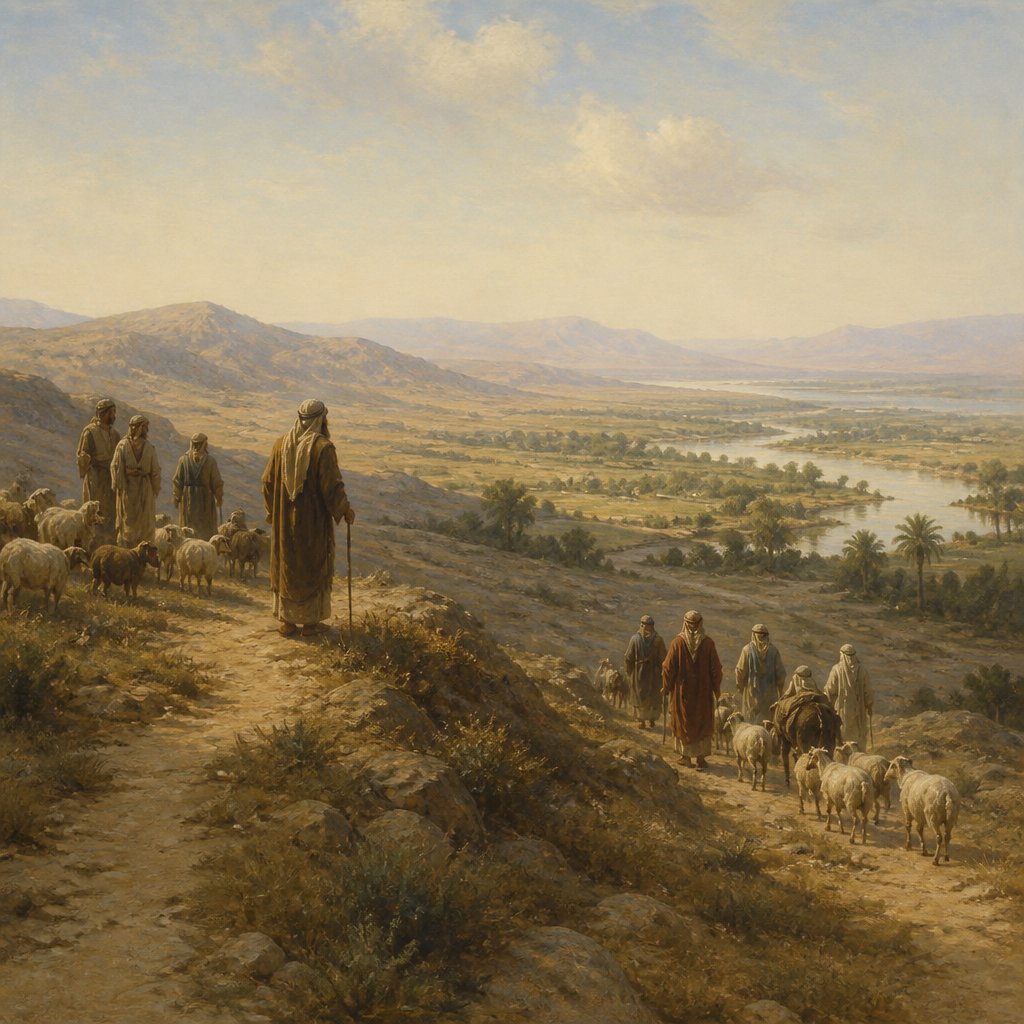
The choice made by Lot in Genesis 13:11 is profoundly significant, not only in the context of his life but also as a powerful lesson for our own spiritual journeys. The scripture reads, "Then Lot chose him all the plain of Jordan; and Lot journeyed east: and they separated themselves the one from the other." At first glance, this may seem like a simple narrative of geographical separation between Abram and Lot. However, digging deeper, we can uncover layers of meaning surrounding the concept of choice, separation, and the implications they hold for our spiritual walk.
Lot's selection of the plain of Jordan reveals a critical decision point in his life. It was not merely a choice of land but a reflection of his desires and aspirations. The text highlights that in making his choice, Lot was drawn by the allure of the fertile plains that promised abundance and prosperity. Despite being surrounded by Abram, a man deeply favored by God, Lot pursued what looked good outwardly. This speaks volumes about human nature—we often find ourselves attracted to what appears best in our immediate view rather than seeking the deeper guidance of God.
In our own lives, choices abound daily. We find ourselves at crossroads where we must navigate between what is appealing and what is righteous. Lot's journey east is symbolic of a step away from spiritual fellowship towards potential isolation. Similarly, our decisions can lead us towards spiritual enrichment or separation from God’s purpose. In this choice, Lot initiated a trajectory that would lead him far away from Abram, who represents faith and divine guidance.
Lot’s decision reflects a fundamental contrast between living by sight versus living by faith. The visible prosperity of the plain of Jordan offered a tempting opportunity for prosperity at a glance, yet it ultimately led Lot into a situation that would result in dire consequences, including his eventual residence in Sodom—a place known for its wickedness. When we prioritize immediate gratification or worldly appearance over spiritual discernment, we may find ourselves making choices that separate us not just from people but from God’s will.
Furthermore, it is essential to recognize the impact of our choices not only on ourselves but also on those around us. When Lot chose the plains, he not only distanced himself from Abram but also set a precedent for how they would interact in the future. This separation implies a shift in influence and proximity to God’s blessings. Likewise, our choices can either build connections that foster growth or lead to divisions that pull us away from accountability and divine provision. Proverbs 12:26 reminds us that "the righteous is more excellent than his neighbor: but the way of the wicked seduces them."
As we reflect on Lot’s choice, let us turn our hearts towards God’s wisdom in our decision-making. James 1:5 encourages us to ask God for wisdom: "If any of you lack wisdom, let him ask of God, that giveth to all men liberally, and upbraideth not; and it shall be given him." This verse reminds us that while we are faced with choices that may seem enticing, we can always seek divine counsel to guide our paths.
In concluding this reflection, we must ask ourselves what choices we are currently making. Are they leading us closer to God, or are they guiding us away into the plains of worldly desire? Let us strive to make choices that honor our relationship with God, reflecting on the eternal over the ephemeral. May we seek to be, like Abram, men and women of faith, willing to trust the unseen blessings that come from walking in God’s ways, rather than relying on our sight in choosing the paths of our lives.
Get our apps


Artwork for Genesis 13:11

Genesis 13:11 - "Then Lot chose him all the plain of Jordan; and Lot journeyed east: and they separated themselves the one from the other."

Genesis 13:11 KJV Then Lot chose him all the plain of Jordan; and Lot journeyed east: and they separated themselves the one from the other.
"Then Lot chose him all the plain of Jordan; and Lot journeyed east: and they separated themselves the one from the other." - Genesis 13:11

Genesis 11:13 - "And Arphaxad lived after he begat Salah four hundred and three years, and begat sons and daughters."
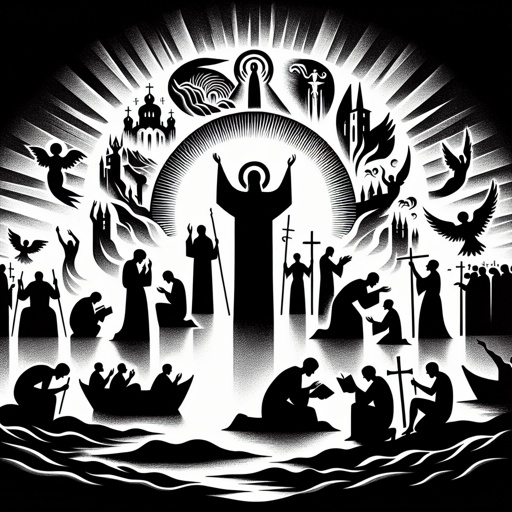
Psalm 1:1-3
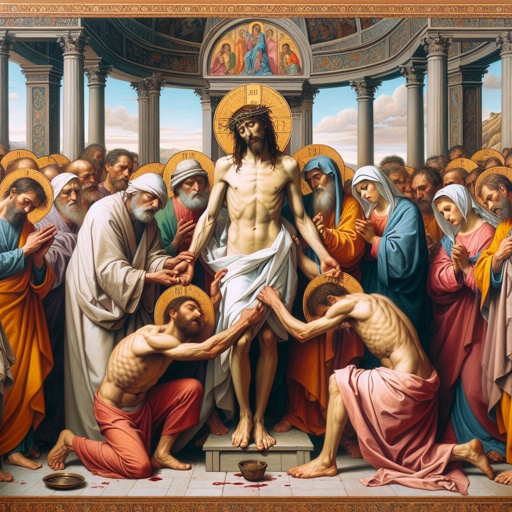
Pain 1:1-3
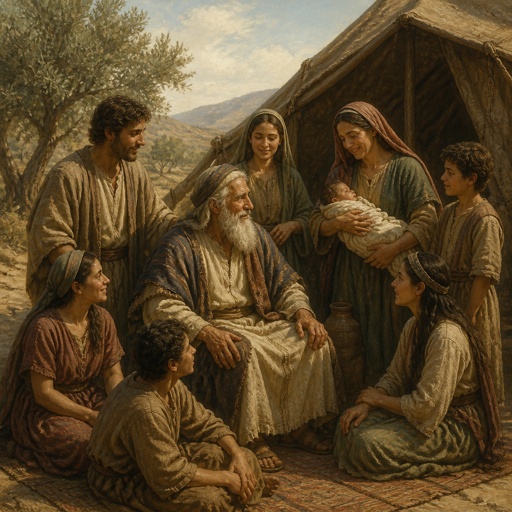
"And Arphaxad lived after he begat Salah four hundred and three years, and begat sons and daughters." - Genesis 11:13

Genesis 13:13 - "But the men of Sodom were wicked and sinners before the LORD exceedingly."

Ephesians 1:3

Genesis 20-13

Genesis 15:13

Genesis 13:10
Genesis 18-13

Genesis 25-13

Genesis 9:13

Genesis 16:13

Genesis 19-13

Genesis 21-13

Genesis 23-13

Genesis 28-13

Genesis 17-13
Genesis 24-13

Genesis 22-13

1 kings 11:11-13

1 Kings 11:11-13

1 Kings 11:11-13

Genesis 11:5

genesis 8:11

genesis 8:11

Genesis 8:11