The King's Vale: A Reflection on Leadership and Humility
“And the king of Sodom went out to meet him after his return from the slaughter of Chedorlaomer, and of the kings that were with him, at the valley of Shaveh, which is the king’s dale.” — Genesis 14:17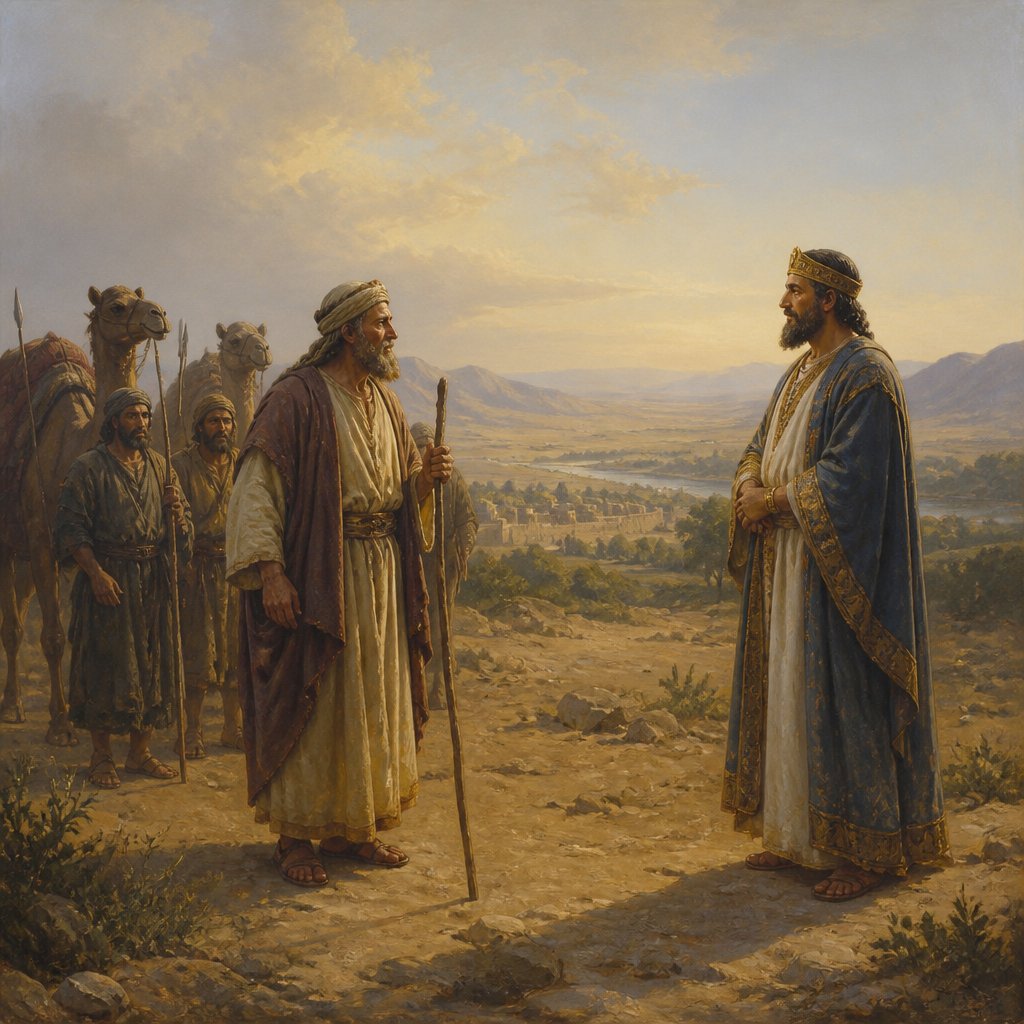
Genesis 14:17 (KJV) states, "And the king of Sodom went out to meet him after his return from the slaughter of Chedorlaomer, and of the kings that were with him, at the valley of Shaveh, which is the king's dale." This brief yet impactful verse brings us to a moment in the life of Abram (later known as Abraham), showing us powerful themes of leadership, humility, and the distinction between worldly and divine priorities.
The context here is essential to understanding the significance of this encounter. Lot, Abram’s nephew, had been taken captive during a war involving several kings, including Chedorlaomer, the king of Elam, who was the leader of an alliance of kings. When Abram learned of this, he did not hesitate to take action. With a force of trained men, he pursued and battled the kings until he prevailed and rescued Lot.
Upon his victorious return, Abram has an encounter with two kings: Melchizedek, the king of Salem, who blesses Abram, and the king of Sodom, who comes to meet Abram in the valley of Shaveh. The location, aptly named "king's dale," suggests a significance that extends beyond the mere meeting of kings. This site of confrontation and recognition sets the stage for a profound lesson in what it means to truly lead.
As we reflect on Abram's victory, we must acknowledge that the triumph was not just physical but also spiritual. Abram demonstrates a powerful quality of leadership—his willingness to act for the sake of his family and greater community. In today's world, leadership is often characterized by authority and dominion, where the powerful dictate terms and the voices of the vulnerable remain unheard. However, Abram’s leadership was marked by his selflessness and commitment to the wellbeing of his kin.
The king of Sodom, on the other hand, represents the secular and often morally ambiguous authority that rules by fear, riches, and power. When Abram returns, the king is eager to negotiate terms, perhaps seeking to capitalize on Abram’s success for his personal gain. This contrast becomes vital as we consider how we respond to success and accolades. Do we allow ourselves to be swayed by those in authority who may not share our values or align with our divine purpose?
When the king of Sodom approaches Abram, he does so with an ulterior motive—offering Abram riches in exchange for the people. It is at this moment that Abram, grounded in his faith, receives the greater blessing from Melchizedek, who acknowledges not only Abram’s military success but also his deep relationship with God. Indeed, it is Melchizedek who brings forth bread and wine, a foreshadowing of Christ’s future sacrifice and the covenantal blessing that is far greater than any material wealth could offer.
Thus, we see Abram retreating from the lure of earthly rewards, prioritizing divine allegiance over material gain. In doing so, he reclaims his spiritual integrity and exemplifies a leader’s true purpose—not to gain from status but to serve others and honor God.
In our lives, we are often caught in similar scenarios where we are tempted to accept worldly success at the expense of our spiritual integrity. As we face our own “king’s dale” moments, may we look to Abram’s example for guidance. Let us cultivate a heart of humility that seeks divine affirmation rather than worldly accolades.
So as we encounter the “kings” of our lives, let us always choose to align with those who bless and uplift us spiritually—ensuring that our victories lead us back to fellowship with God and a commitment to serve others. In the valley of Shaveh, may we constantly remember the importance of our choices and who we ultimately serve. Amen.
Get our apps


Artwork for Genesis 14:17

Genesis 14:17 - "¶ And the king of Sodom went out to meet him after his return from the slaughter of Chedorlaomer, and of the kings that were with him, at the valley of Shaveh, which is the king's dale."
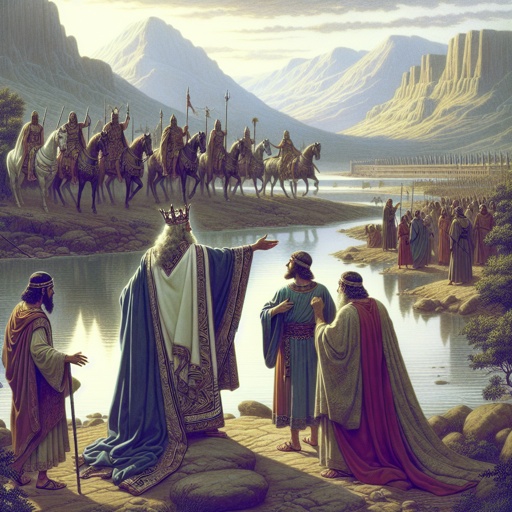
Genesis 14:17 And the king of Sodom went out to meet him after his return from the slaughter of Chedorlaomer, and of the kings that were with him, at the valley of Shaveh, which is the king's dale.

Genesis 14:17–24 tells the story of a meeting between Abram and two kings. Returning as the victor after having defeated the eastern kings and recapturing all their plunder, Abram is met by the king of Sodom and by Melchizedek, the mysterious king of Salem.
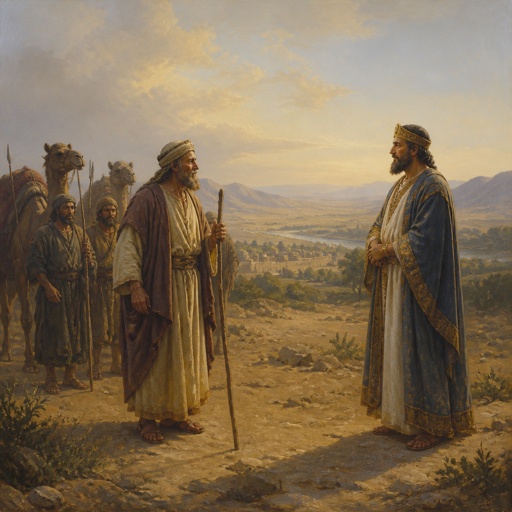
"¶ And the king of Sodom went out to meet him after his return from the slaughter of Chedorlaomer, and of the kings that were with him, at the valley of Shaveh, which is the king's dale." - Genesis 14:17

Genesis 17-14

Genesis 17:14 - "And the uncircumcised man child whose flesh of his foreskin is not circumcised, that soul shall be cut off from his people; he hath broken my covenant."

Genesis 17-17

Genesis 17-15

Genesis 17-23

Genesis 18-17

Genesis 17-27

Genesis 17-21

Genesis 17:2

Genesis 17:6

Genesis 17:4

Genesis 20-17

Genesis 17:8

Genesis 28-17

Genesis 17-19

Genesis 21-17

Genesis 24-17

Genesis 17-22

Genesis 17:10

Genesis 17-12

Genesis 17:1

Genesis 22-17

Genesis 17:7

Genesis 17:5

Genesis 17-18

Genesis 19-17