Heard in Our Affliction: Embracing Hope in Despair
“And the angel of the LORD said unto her, Behold, thou art with child, and shalt bear a son, and shalt call his name Ishmael; because the LORD hath heard thy affliction.” — Genesis 16:11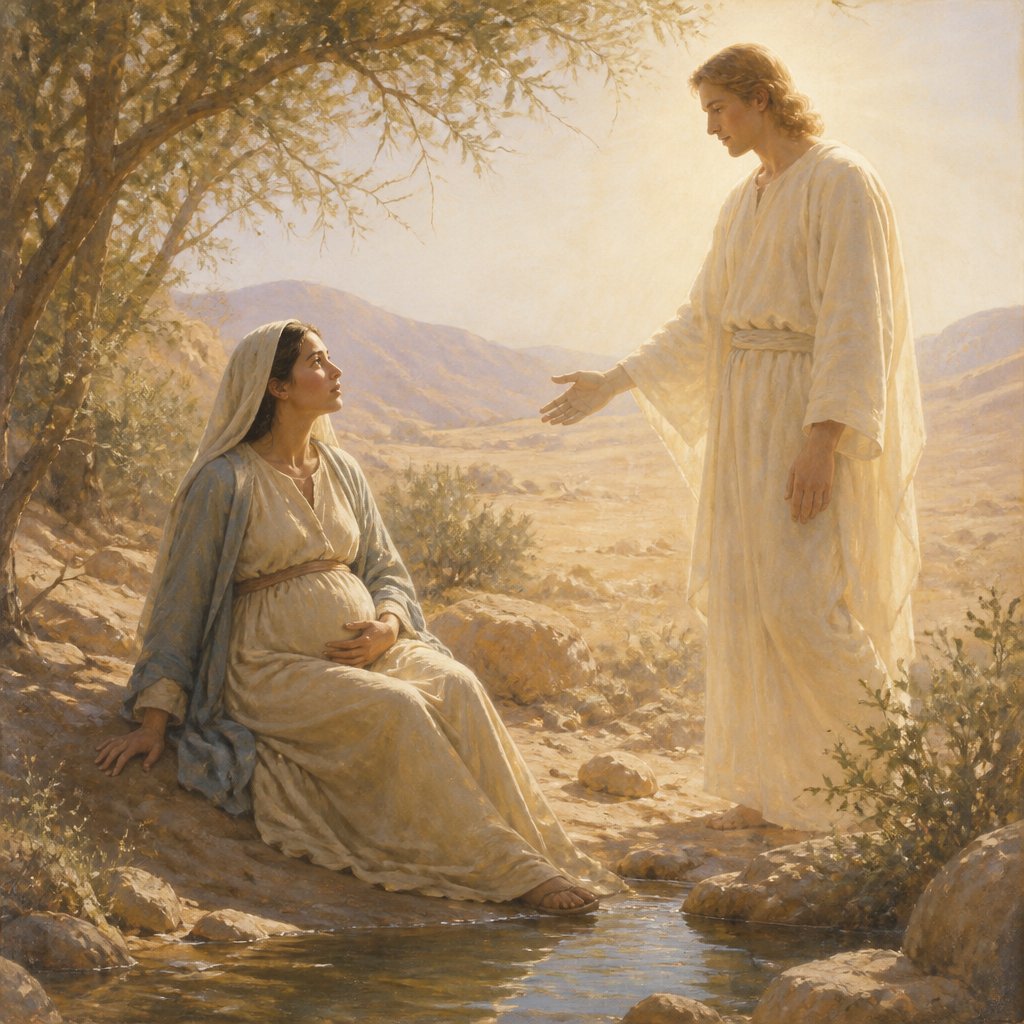
In Genesis 16:11, we find a moment of divine intervention in the life of Hagar, the Egyptian maidservant of Sarai, the wife of Abram. The King James Version states, "And the angel of the LORD said unto her, Behold, thou art with child, and shalt bear a son, and shalt call his name Ishmael; because the LORD hath heard thy affliction." This passage is rich with theological significance and speaks loudly to our human experience of suffering and hope.
Hagar's story begins in an environment of desperation. After years of waiting for God’s promise, Sarai, frustrated with her inability to conceive, offers her maidservant Hagar to Abram, believing that they can build a family through her. However, once Hagar conceives, the dynamics shift. Sarai’s jealousy and harsh treatment lead Hagar to flee into the wilderness, feeling abandoned and alone. It is in this desolate place, away from the comforts and security of home, that she encounters the angel of the Lord.
The first word from this divine encounter is "Behold." The angel calls Hagar to attention. In her moment of despair, it is imperative that Hagar understands the significance of what is to follow. God’s message is not just about her pregnancy but about a profound truth that resonates deeply with us today: "thou art with child." This declaration is both a physical and spiritual revelation. Hagar is not simply carrying a child; this child (Ishmael) will represent a legacy of promise and divine awareness. God sees her struggles and has chosen to intervene in her life.
Hagar was afflicted—wounded emotionally and socially. She carried the burden not only of her pregnancy but also of her complex status within Abram and Sarai’s household. Yet, God did not overlook her plight. Ishmael's name, meaning "God hears," reinforces an essential theme in scripture—the attentive ear of God toward our suffering. How comforting it is to know that even in our lonely places, God hears our cries.
As we explore the implications of God’s intervention in Hagar's life, we find that our own afflictions are often shadows that obscure the light of His presence. Whether it be through physical pain, emotional turmoil, or relational strife, we can correlate our sufferings with Hagar's. Many of us might feel invisible, overlooked by society, or even abandoned by our faith community. We may be tempted to flee from situations where we feel too much pain, just as Hagar did. Yet, Hagar's experience reminds us that it is precisely in our brokenness that God often meets us.
This passage forces us to confront the reality that God may not always change our circumstances in the way we desire. Instead, He offers us hope amid despair, affirming that He is with us even when we cannot see His hand at work. The promise of a son, made to Hagar, encompasses both immediate and future redemption. Ishmael would be a nation, destined to thrive, thus showcasing God’s ability to generate goodness from anguish.
In our modern context, may we find encouragement in the truth that God sees us in our distress and hears our cries. Like Hagar, let us take refuge in the reality of His presence, which not only attends to our physical needs but nourishes our souls with hope. In times of affliction, we can confidently approach God, trusting that He is intimately aware of our challenges and is penning a beautiful story of redemption.
As we reflect on Genesis 16:11, let us remember that every phase of life, whether joyful or sorrowful, can be a part of a greater narrative woven by God’s hand. We may not always comprehend the nuances of our journey, but we can rest assured that every struggle is heard by a loving God who is ever present in our afflictions and working toward our good.
Get our apps


Artwork for Genesis 16:11

Genesis 16:11

Genesis 16:11 - "And the angel of the LORD said unto her, Behold, thou art with child, and shalt bear a son, and shalt call his name Ishmael; because the LORD hath heard thy affliction."

"And the angel of the LORD said unto her, Behold, thou art with child, and shalt bear a son, and shalt call his name Ishmael; because the LORD hath heard thy affliction." - Genesis 16:11

Genesis 11:16 - "And Eber lived four and thirty years, and begat Peleg:"
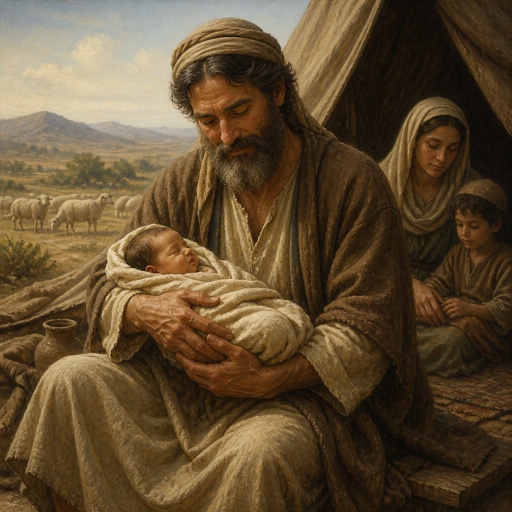
"And Eber lived four and thirty years, and begat Peleg:" - Genesis 11:16

Zechariah 1:1-6

Genesis 16:16

Genesis 16:3

Genesis 16:14

Genesis 16:2

Genesis 16:6

Genesis 1:16

Genesis 15:16

Genesis 16:8

Genesis 16:12

Genesis 25-16

Genesis 16:1

Genesis 18-16

Genesis 3:16

Genesis 17-16

Genesis 16:4

Genesis 16:7

Genesis 23-16

Genesis 16:9

Genesis 16:5

Genesis 20-16

Genesis 28-16

Genesis 22-16

Genesis 16:15

Genesis 16:10