The Well of the Living One Who Sees Me
“Wherefore the well was called Beer-lahai-roi; behold, it is between Kadesh and Bered.” — Genesis 16:14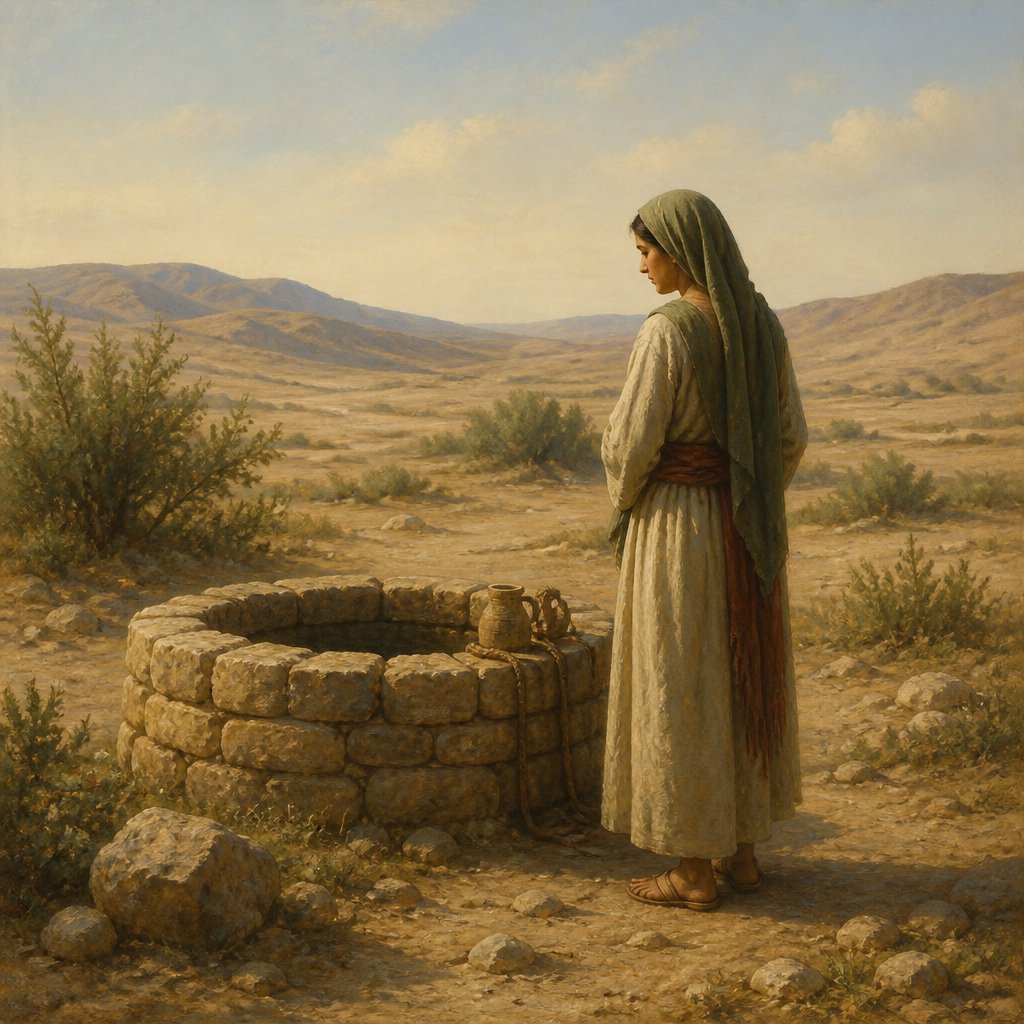
In the rich tapestry of the biblical narrative, Genesis 16:14 captures a pivotal moment in the life of Hagar, a woman who embodies the struggles of the overlooked and marginalized. The verse states, "Wherefore the well was called Beer-lahai-roi; behold, it is between Kadesh and Bered.” In this single reference, we encounter not only a geographical marker but a profound spiritual truth that speaks to our identity and the recognition of God in our lives.
To grasp the weight of this moment, we must first understand Hagar’s plight. Hagar was an Egyptian maidservant to Sarai, Abram's wife, who, in her barrenness, urged Abram to take Hagar as a concubine to produce an heir. This arrangement, driven by human desire and impatience, led to conflict and strife within their household. When Hagar conceived, Sarai dealt harshly with her, prompting Hagar to flee into the wilderness, feeling abandoned and desperate.
In the wilderness, Hagar encountered an angel of the Lord who addressed her amidst her turmoil, asking, "Hagar, Sarai’s maid, whence camest thou? and whither wilt thou go?" (Genesis 16:8 KJV). This divine encounter marked the turning point of Hagar's story. The angel instructed Hagar to return to Sarai and submit herself, but promised that her descendants would be multiplied exceedingly. More importantly, the angel revealed to her the identity of her son, Ishmael, declaring, “For the Lord hath heard thy affliction” (Genesis 16:11 KJV).
After receiving these assurances, Hagar responds with profound awareness as she names God: "Thou God seest me" (Genesis 16:13 KJV). This declaration is the essence of Beer-lahai-roi, which translates to "the well of the Living One who sees me." In her desolation, Hagar realized that she was not invisible to God. The well she named served as a physical reminder of God’s faithfulness and vigilance, even in moments when she felt utterly alone.
The significance of Beer-lahai-roi extends beyond Hagar's story; it beckons each of us to ponder our relationship with the Divine. In our own wilderness experiences, whether we face personal struggles, societal pressures, or spiritual desolation, we can feel lost and unseen. Yet, it is crucial to remember that God is intimately aware of our circumstances. He sees us, and He cares deeply for our plight.
Moreover, Beer-lahai-roi invites us to the well of living water, a metaphor that resonates throughout Scripture. In the New Testament, Jesus invites all who are thirsty to come to Him (John 7:37). He is the source of life and healing, the rock from which we can draw strength in our times of need. Just as Hagar discovered God’s provision in her despair, we too can unearth fresh streams of hope in Christ.
This well, which was literally between Kadesh and Bered—a space that could represent the tension between rest (Kadesh) and drought (Bered)—highlights the balance of life’s journey. Between our places of security and those of struggle, we can find the Lord. It reminds us that faith thrives often in the in-between places, where we seek and rely on God’s presence.
In closing, may we remember the essence of Beer-lahai-roi: the God who sees us, cares for us, and provides for us in every situation. Let us come to the well, drawing from the living water that refreshes our spirit and renews our hope. Whatever wilderness we may traverse, let us declare confidently, "Thou God seest me," knowing that in our darkest hours, we are never out of His sight.
Get our apps


Artwork for Genesis 16:14

Genesis 16:14

Genesis 16:14 - "Wherefore the well was called Beer-lahai-roi; behold, it is between Kadesh and Bered."
"Wherefore the well was called Beer-lahai-roi; behold, it is between Kadesh and Bered." - Genesis 16:14

Genesis 14:16 - "And he brought back all the goods, and also brought again his brother Lot, and his goods, and the women also, and the people."

Genesis 16:16
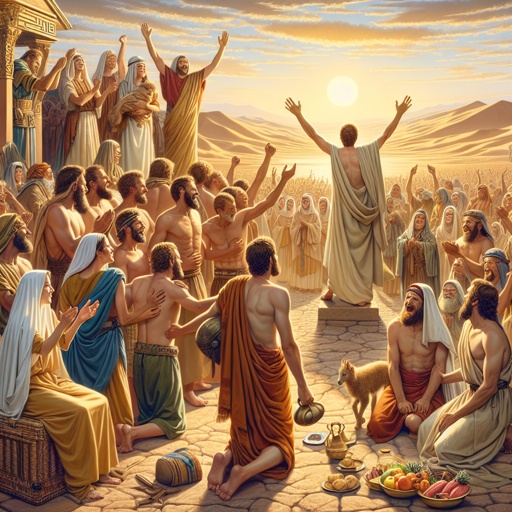
Genesis 14:16 And he brought back all the goods, and also brought again his brother Lot, and his goods, and the women also, and the people.

Genesis 16:3

Genesis 16:2

Genesis 16:6

Genesis 1:16

Genesis 15:16

Genesis 16:8

Genesis 16:12

Genesis 25-16

Genesis 16:1

Genesis 18-16

Genesis 16:11

Genesis 3:16

Genesis 17-16

Genesis 16:4

Genesis 16:7

Genesis 23-16

Genesis 16:9

Genesis 16:5

Genesis 20-16

Genesis 28-16

Genesis 22-16

Genesis 16:15

Genesis 16:10

Genesis 16:3