Covenant and Commitment: The Significance of Circumcision in Abraham's Journey
“In the selfsame day was Abraham circumcised, and Ishmael his son.” — Genesis 17:26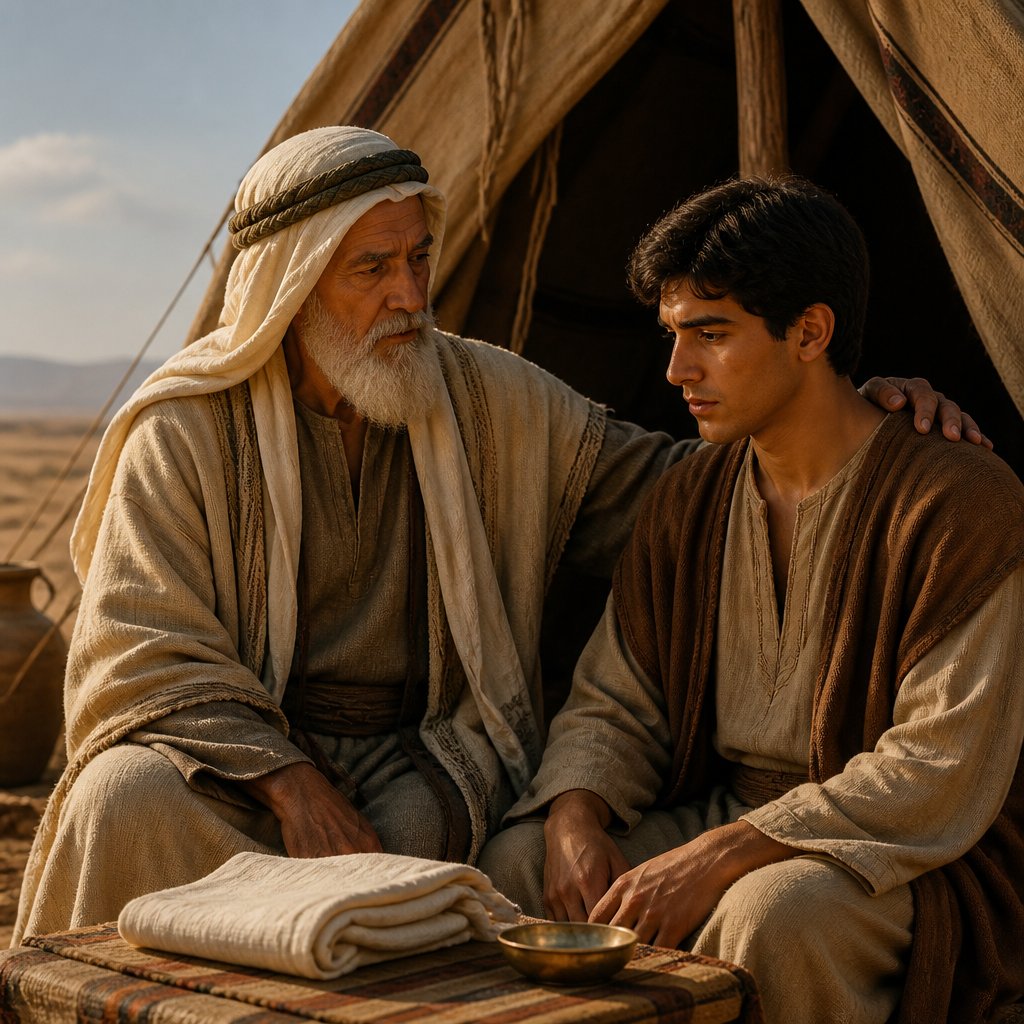
In Genesis 17:26, the King James Version states, "In the selfsame day was Abraham circumcised, and Ishmael his son." At first glance, this verse might seem straightforward, merely chronicling an event in the life of Abraham and his son Ishmael. However, a closer examination reveals profound theological significance, embodying themes of covenant, obedience, and identity that resonate through our spiritual journey today.
Abraham is one of the central figures of the Bible, revered as the father of faith in Judaism, Christianity, and Islam. The covenant that God made with Abraham in Genesis 17 was monumental. It marked a pivotal moment in biblical history, promising Abraham numerous descendants and the everlasting land of Canaan for his lineage. The command for circumcision as a physical sign of this covenant symbolizes a deep, personal commitment to God. This act was not merely a cultural practice but a divine directive that Abraham obediently embraced.
The phrase "in the selfsame day" emphasizes the immediacy of Abraham’s action. As soon as God provided the command concerning circumcision, Abraham did not delay. In our own lives, how often do we hesitate to act upon God's commands? Are we quick to follow through on His nudges, or do we allow doubt and hesitation to keep us from what He asks? Abraham's willingness to act instantaneously showcases his faith and trust in God’s plan, setting an example for us to follow.
Circumcision, in a spiritual context, signifies a cutting away of the old life, a shedding of the flesh to embrace a new identity rooted in God's promises. In his act of circumcision, Abraham was not only making a physical alteration; he was solidifying his commitment to a new life in covenant with God. This act of obedience was a declaration that he was setting apart himself and his descendants for the Lord’s purpose. It serves as a reminder that entering into a relationship with God may require radical changes and commitments in our own lives.
For Ishmael, the son born out of a moment of impatience and doubt, circumcision marked both a recognition of his place in God’s plan and the unfolding of his identity as part of Abraham's lineage. Ishmael was not the son of promise—that role would be fulfilled by Isaac—but his circumcision encapsulated the idea that God’s mercy extends even to those who are not in the primary line of His covenant. God’s inclusion of Ishmael illustrates His grace and indicates that every individual is woven into the fabric of His plan, regardless of their immediate circumstances or status.
As we contemplate the significance of circumcision, we must also reflect on our own spiritual commitments. What does it mean for us today to be marked by our covenant with God? Romans 2:29 reminds us that it is not merely physical circumcision that matters but a circumcision of the heart, indicating a true transformation that comes through faith and obedience. In essence, our lifestyle, choices, and the way we embody Christ in our everyday interactions can reflect our commitment to God.
In conclusion, Genesis 17:26 is not simply a record of an ancient ritual; it is an invitation for a deeper exploration of what it means to be in covenant with God. It challenges us to examine our willingness to obey without hesitation, to embrace change in our spiritual journey, and to acknowledge our identity as God’s beloved children marked by His grace. May we strive for a heart that is responsive and obedient, allowing God's covenant to shape our lives daily.
Get our apps


Artwork for Genesis 17:26

Genesis 17-26

Genesis 17:26 - "In the selfsame day was Abraham circumcised, and Ishmael his son."
"In the selfsame day was Abraham circumcised, and Ishmael his son." - Genesis 17:26

Genesis 26:17 - "¶ And Isaac departed thence, and pitched his tent in the valley of Gerar, and dwelt there."
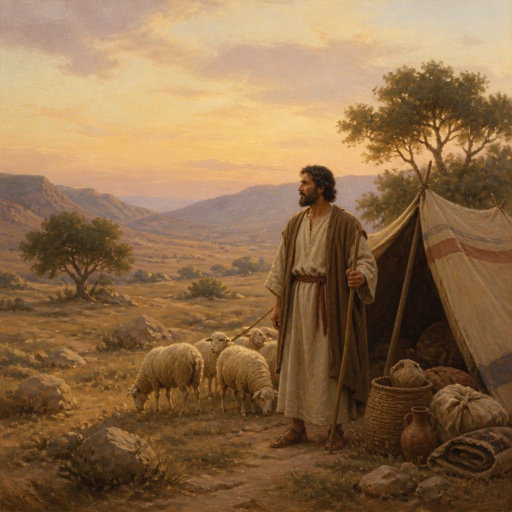
"¶ And Isaac departed thence, and pitched his tent in the valley of Gerar, and dwelt there." - Genesis 26:17

Genesis 1:26

Genesis 1:26

Genesis 1:26

Genesis 1:26

Genesis 17-17

Genesis 24-26

Genesis 26:35

Genesis 50:26

Genesis 26:25

Genesis 25-26

Genesis 21-26

Genesis 50:26

Genesis 50:26

Genesis 26:29

Genesis 18-26

Genesis 19-26

Genesis 26:18

Genesis 50:26

Genesis 26:9

Genesis 26 1 famine

Genesis 26:6 - "¶ And Isaac dwelt in Gerar:"

Hechos 5, 17-26

Luke 5:17-26

genesis 26:1-35

Genesis 26:26 - "¶ Then Abimelech went to him from Gerar, and Ahuzzath one of his friends, and Phichol the chief captain of his army."