The Posture of Humility: Learning from Abraham
“And Abraham bowed down himself before the people of the land.” — Genesis 23:12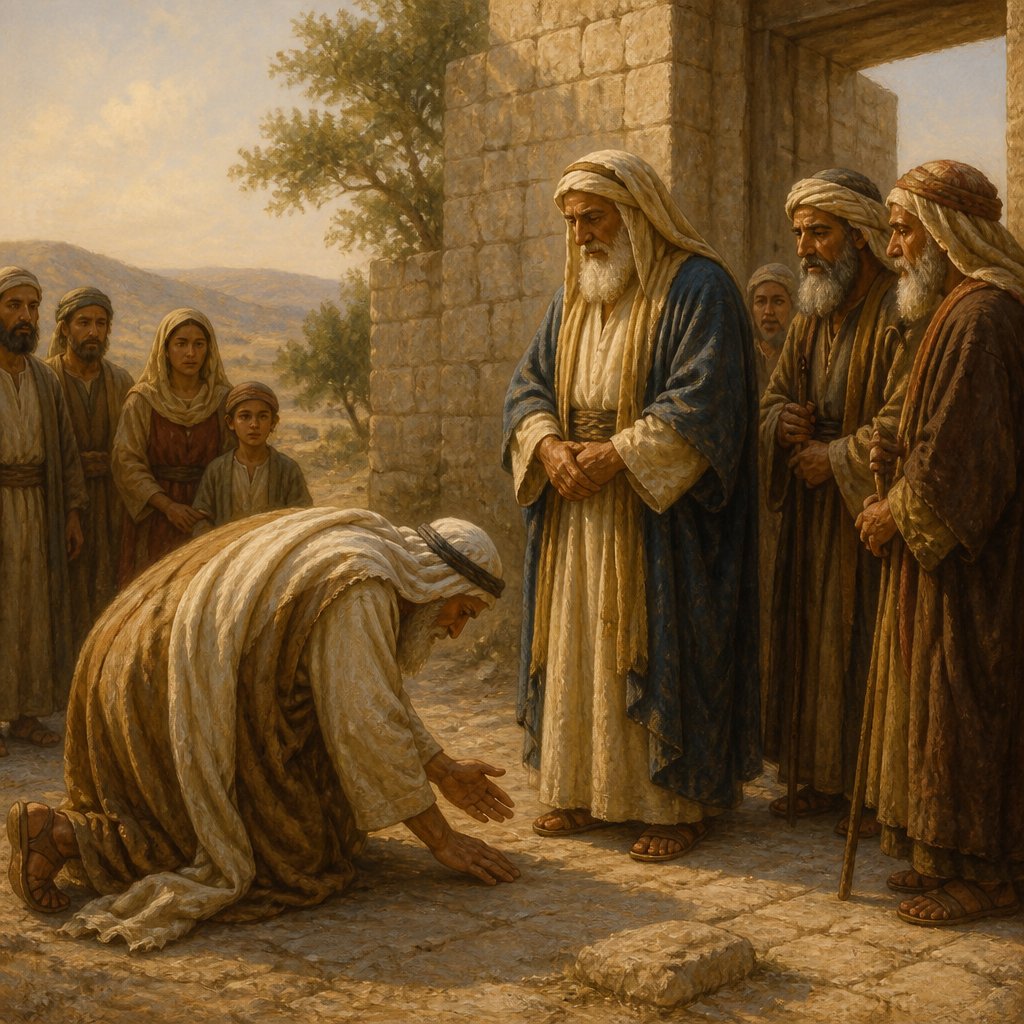
Genesis 23:12 states, "And Abraham bowed down himself before the people of the land." This brief yet profound verse encapsulates a moment of humility and respect in the life of one of the Bible’s greatest patriarchs, Abraham.
In the context of Genesis 23, we find Abraham in a vulnerable position. His beloved wife, Sarah, has passed away, and he is in need of a burial site. He journeys into the land of Canaan, a land promised by God to him and his descendants, but ironically, he is still a foreigner in it. The people of the land, the Hittites, are the indigenous inhabitants, and despite God’s promise, he must negotiate with them for a piece of land to honor his deceased wife.
Abraham’s bowing down before the Hittites is significant. It is a physical manifestation of his attitude toward others and his recognition of God’s sovereignty in his life. This act of bowing can be interpreted in several layers:
1. **Humility in Leadership**: Abraham holds a significant status as a leader and the father of a nation. Yet, here he is, not asserting authority or demanding what he feels entitled to, but instead, he showcases humble submission. In leadership, humility is often a rare quality, but Abraham shows us that true strength lies in the ability to bend low before others. In a world that often equates power with domination, Abraham exemplifies that respect earns genuine influence.
2. **Respecting Others**: By bowing down, Abraham acknowledges the Hittites as people with whom he must interact, and he shows them honor. His actions reject the notion of superiority based on heritage or divine promise. Instead, he recognizes the necessity of approaching others—regardless of status—with a heart of respect and dignity. In our daily interactions, how often do we find ourselves bowing down metaphorically? Do we respect those in different stations of life, recognizing their inherent worth as children of God?
3. **God’s Faithfulness**: By humbling himself, Abraham positions himself as a man of faith. He understands that even in times of sorrow and loss, God is present. This act of humility is not just about his situation with the Hittites but reflects his trust in God’s promises. Abraham knew that the land promised to him was secure, and his humility did not compromise his faith; rather, it was an affirmation of it. In moments of grief or uncertainty, we can model our lives after Abraham’s posture. When faced with trials, do we lift ourselves up in pride, or do we seek God with humility, confident that He will navigate us through?
4. **The Heart of Worship**: Bowing is often seen as a posture of worship. In this moment, Abraham’s act of bowing can also be viewed as an expression of his reverence to God. He understood that every interaction and every need must first be laid before God in supplication; his actions reflected a heart devoted to honoring God even amidst the distractions of life's challenges. When we bow, whether in prayer or in humility towards others, we are acknowledging God's authority in our lives and our need for Him in every situation.
In essence, Genesis 23:12 serves as a powerful reminder of how we ought to conduct ourselves in relation to God and others. Abraham models an attitude that not only invites God's presence into his negotiations but also sets a standard of respect and humility that we ought to adopt in our lives.
Let us take this verse to heart and practice humility in our interactions, leading with respect, and trusting in God’s faithfulness, for in humility lies true strength and in servitude lies the heart of worship. May we bow low before the people of the land, and bow our hearts before the Lord, knowing that His promises stand firm, even as we navigate the complexities of our circumstances.
Get our apps


Artwork for Genesis 23:12

Genesis 23-12

Genesis 23:12 - "And Abraham bowed down himself before the people of the land."
"And Abraham bowed down himself before the people of the land." - Genesis 23:12

Genesis 1:2 3

Genesis 23-19

Genesis 23-13

Genesis 23:11

Genesis 23-17

Genesis 23-3

Genesis 23-9

Genesis 23-18

Genesis 23-5

Genesis 23:2

Genesis 23-4

Genesis 17-23

Genesis 23:1

Genesis 23-10

Genesis 23-16

Genesis 23-6

Genesis 23-8

Genesis 25-23

Genesis 22-23

Genesis 18-23

Genesis 19-23

Genesis 23-14
Genesis 21-23

Genesis 23-7

Genesis 24-23

Genesis 3:23

Genesis 23-20