The Mighty Presence of God: A Reflection on Genesis 26:16
“And Abimelech said unto Isaac, Go from us; for thou art much mightier than we.” — Genesis 26:16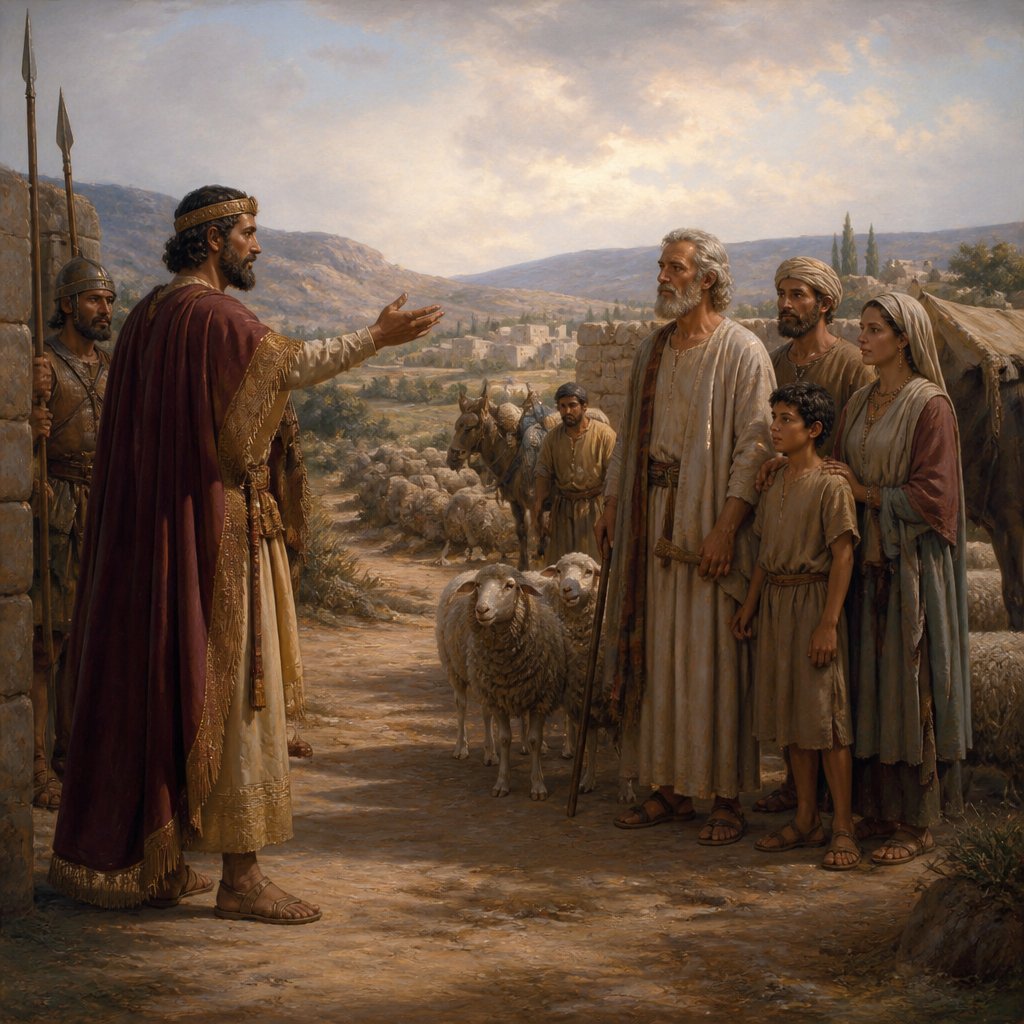
In Genesis 26:16, we read the account of Abimelech, a king of the Philistines, who approached Isaac with a grave concern: "And Abimelech said unto Isaac, Go from us; for thou art much mightier than we." This verse stands as a solemn reminder of how the presence and blessing of God can elevate one person over an entire nation or people. It illustrates the profound impact of divine favor and how it can evoke fear and admiration in others.
Isaac, the son of Abraham, was experiencing God’s blessing in the land of Gerar. In a time of famine, while others were struggling, Isaac kept sowing and reaped a hundredfold (Genesis 26:12). The escalating prosperity was evident; it was undeniable that the hand of the Lord was upon him, making him exceedingly great. Abimelech recognized that Isaac's increased wealth and influence posed both a threat and a challenge to his own authority and the wellbeing of his people.
This narrative prompts us to reflect on the power of God’s presence in our own lives. In our journey of faith, we often encounter seasons of challenges and famine—moments when it seems like the world around us is trying to pull us into despair. However, like Isaac, we are called to remain steadfast, trusting in God’s provision and protection.
To comprehend the mightiness that Abimelech referred to, we must delve into the implications of being "mightier" due to God’s blessing. It isn’t merely about material wealth or physical strength; it encompasses spiritual authority and the ability to effect positive change. When we are aligned with God’s will and we remain obedient to His Word, we draw upon a strength that surpasses our human understanding. This strength enables us to impact those around us profoundly, just as Isaac did amid the Philistines.
In our daily lives, we may find ourselves in similar situations to Isaac, where our faith and the blessings of God evoke mixed reactions from those around us. Friends, colleagues, or even family members may feel threatened by our commitment to live in accordance with God’s Word, which leads them to distance themselves from us, as Abimelech did. At times, we may be compelled to let go of relationships and environments that are no longer aligned with our faith journey. However, this does not diminish our worth or our impact; rather, it is a testimony to the power of God working in us.
Furthermore, Isaac’s experience reminds us of the need for humility and grace when faced with opposition or exclusion. Isaac, rather than retaliating with anger or resentment, chose to obey Abimelech’s request and moved on peacefully. His response modeled a quality of patience that comes from truly understanding one’s identity in Christ: secure, loved, and empowered. We too should strive to reflect a similar demeanor, living out our faith authentically without needing to prove ourselves to those who may not understand.
As we contemplate the words of Abimelech, let us embrace the mightiness that is found in humility, obedience, and faithfulness to God. God uses us to demonstrate His grace and power—not through our own strength but through what He has done and is doing in our lives. When we are faced with situations where we feel ostracized or singled out for our faith, let it remind us that it is, in fact, His light shining through us that can overwhelm hearts and transform lives.
In conclusion, let us go forth with confidence as vessels of God’s mighty power. As we abide in Him, the world might see us as "mightier" not for our own glory, but to glorify His name. May we continue to seek His presence intently, knowing that as we do, we reflect His mighty love and grace to a world in desperate need of it.
Get our apps


Artwork for Genesis 26:16

Genesis 26:16 - "And Abimelech said unto Isaac, Go from us; for thou art much mightier than we."
"And Abimelech said unto Isaac, Go from us; for thou art much mightier than we." - Genesis 26:16

Genesis 1:26

Genesis 1:26

Genesis 1:26

Genesis 1:26

Genesis 16:16

Genesis 24-26

Genesis 26:35

Genesis 50:26

Genesis 26:25

Genesis 21-26

Genesis 25-26

Genesis 50:26

Genesis 19-26

Genesis 26:29

Genesis 50:26

Genesis 18-26

Genesis 26:18

Genesis 50:26

Genesis 26:9

Genesis 17-26

Genesis 26 1 famine

Genesis 26:6 - "¶ And Isaac dwelt in Gerar:"

genesis 26:1-35

Numbers 11:16-26

Galatians 5:16-26

Genesis 26:26 - "¶ Then Abimelech went to him from Gerar, and Ahuzzath one of his friends, and Phichol the chief captain of his army."

Luke 16:22-26

Genesis 42:26 - "And they laded their asses with the corn, and departed thence."