Divine Guidance in Uncertain Times
“And the LORD appeared unto him, and said, Go not down into Egypt; dwell in the land which I shall tell thee of:” — Genesis 26:2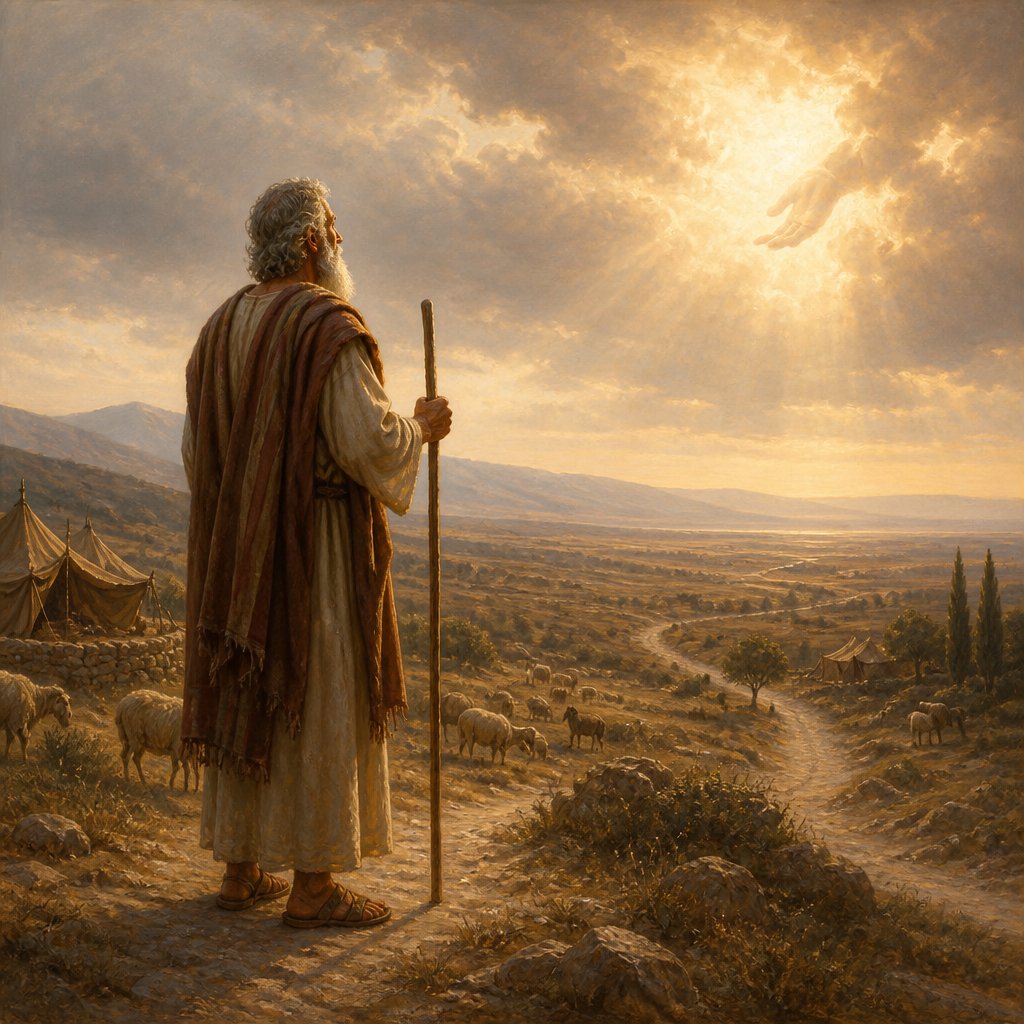
In Genesis 26:2, we read, "And the LORD appeared unto him, and said, Go not down into Egypt; dwell in the land which I shall tell thee of." This verse encapsulates a pivotal moment in Isaac's life, a moment brimming with divine instruction and profound significance.
As we digest this scripture, it is essential to consider the context in which God spoke to Isaac. The land of Canaan, where Isaac resided, was a land of promise—a place that had been designated by God for Abraham and his descendants. However, during this time, Canaan was experiencing a severe famine. Faced with such dire circumstances, it would have been a natural inclination for Isaac to look toward Egypt. Egypt, known for its bountiful resources and fertile land, represented safety, prosperity, and sustenance. Yet, God intervenes and clearly instructs Isaac not to follow this natural path of escape.
When we consider God's command, we get an insight into His perfect will. God’s statement, “Go not down into Egypt,” resonates with us even today. Just as Isaac was tempted to seek immediate comfort in Egypt, we too often find ourselves looking for quick solutions in our moments of distress. The allure of temporary fixes is potent. In our modern world, it could manifest as seeking fulfillment in relationships, financial ventures, or diversions when we face challenges. However, God's directive reminds us that our refuge and answers are not found through worldly means but through faith in His promises.
Moreover, God's assurance to Isaac continues, as He instructs him to “dwell in the land which I shall tell thee of.” This invites Isaac to trust in the unfolding of God's plan. God does not drop general advice but offers a promised land that Isaac would eventually be led to. In our lives, God often calls us to remain. He calls us to dwell, to entrust our lives and concerns to Him, instead of running away from difficulties. Dwelling isn't merely settling in one place; it is an act of faith and patience. It is about waiting actively for God's further instruction.
Living in the promise of God often requires us to stand firm in our faith. Like Isaac, we are called to trust God amidst uncertainty. This requires a nuanced understanding of what it means to "dwell"—to find peace and contentment in God's presence even when our circumstances appear bleak. Each day we wake up, we make a choice to trust God’s timeline over our instincts. In a society that prizes immediacy and self-reliance, it can be revolutionary to exercise trust instead.
We are also reminded of the covenant made to Isaac and, by extension, to us: that God will bless him and multiply his seed. In verse 3, He promises, “For unto thee, and unto thy seed, I will give all these countries, and I will perform the oath which I sware unto Abraham thy father.” God’s promises transcend time and circumstance. He faithfully continues His work in our lives as we walk in obedience to Him. This covenant is alive today; we too are heirs of the promise through faith. When God says to dwell, He underlines the importance of faithfulness in the face of hardship, with the reassurance that His promises will unfold in due course.
In closing, let us reflect on where God is calling each of us to dwell. Are there areas in our lives where we feel tempted to run away, to find refuge in Egypt instead of remaining in the land of His promises? Let us open our hearts to His guidance. May we embrace His call to stay, be patient, and trust in His providence as we celebrate the rich heritage of faith given to us. Let us learn from Isaac's story that though the journey may seem uncertain, the ultimate destination is strikingly clear: it is a life enveloped in God's presence and promise.
Get our apps


Artwork for Genesis 26:2

Genesis 26:2 - "And the LORD appeared unto him, and said, Go not down into Egypt; dwell in the land which I shall tell thee of:"
"And the LORD appeared unto him, and said, Go not down into Egypt; dwell in the land which I shall tell thee of:" - Genesis 26:2

Genesis 1:26

Genesis 1:26

Genesis 1:26

Genesis 1:26

Genesis 24-26

Genesis 26:35

Genesis 50:26

Genesis 26:25

Genesis 21-26

Genesis 25-26

Genesis 50:26

Genesis 19-26

Genesis 26:29

Genesis 50:26

Genesis 18-26

Genesis 26:18

Genesis 50:26

Genesis 26:9

Genesis 17-26

Genesis 26 1 famine

Genesis 26:6 - "¶ And Isaac dwelt in Gerar:"

genesis 26:1-35

Genesis 26:26 - "¶ Then Abimelech went to him from Gerar, and Ahuzzath one of his friends, and Phichol the chief captain of his army."

Genesis 42:26 - "And they laded their asses with the corn, and departed thence."

Genesis 36:26 - "And these are the children of Dishon; Hemdan, and Eshban, and Ithran, and Cheran."

Genesis 10:26 - "And Joktan begat Almodad, and Sheleph, and Hazarmaveth, and Jerah,"

Genesis 26:23 - "And he went up from thence to Beer-sheba."

Genesis 24:26 - "And the man bowed down his head, and worshipped the LORD."