Peace in the Shadow of Conflict
“That thou wilt do us no hurt, as we have not touched thee, and as we have done unto thee nothing but good, and have sent thee away in peace: thou art now the blessed of the LORD.” — Genesis 26:29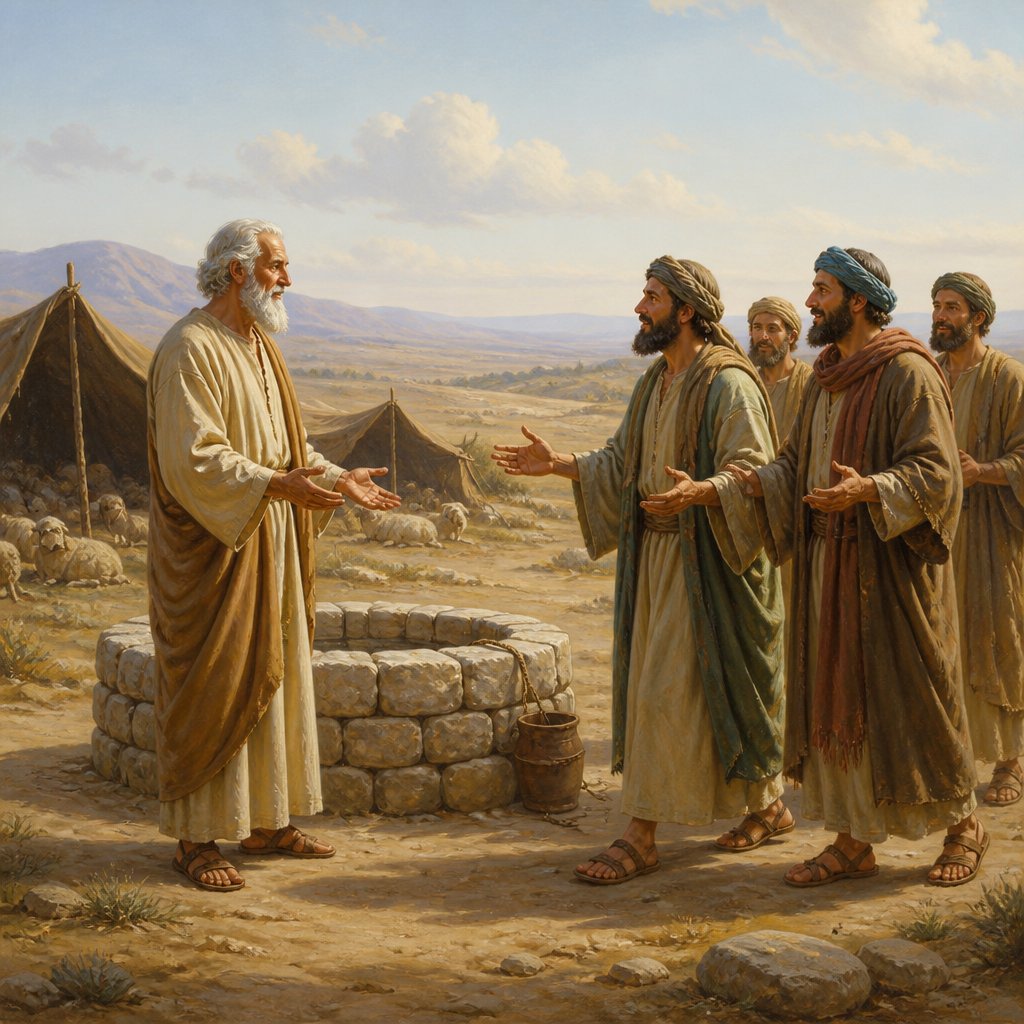
In the labyrinthine journey of life, we often find ourselves grappling with the complexities of relationships, misunderstandings, and conflicts. Genesis 26:29 serves as a compelling reminder of the peaceful resolutions that can emerge from situations fraught with discord. The verse reads: "That thou wilt do us no hurt, as we have not touched thee, and as we have done unto thee nothing but good, and have sent thee away in peace: thou art now the blessed of the LORD."
This passage speaks volumes about the essence of peace and the power of goodwill. It encapsulates a moment of vulnerability and relational integrity that can serve as a model for our interactions within a world often marked by strife and tension. To fully appreciate the depth of this verse, we must dissect its context and implications.
The backdrop of this verse reflects a narrative centered around Isaac, the son of Abraham, who had settled in Gerar, a region ruled by King Abimelech. As Isaac navigated his life in this foreign land, he encountered challenges stemming from jealousy and conflict over resources, specifically water wells that he had dug. Testing the waters of coexistence with the Philistines, he faced hostility and eviction, yet he chose the high road by moving to a new area rather than retaliating or escalating the conflict.
After repeated attempts to maintain peace, the Philistines eventually sought Isaac's company, compelled by their recognition of his good character and the blessings he had received from the LORD. In Genesis 26:29, we witness Isaac's response to their approach, underlining the virtues of grace, forgiveness, and peaceful coexistence. He articulated a profound principle: that true peace is attainable when we resolve to do good even in the face of adversity, as demonstrated by his refusal to respond in kind to the hostility he faced.
The phrase "that thou wilt do us no hurt" is remarkably significant. It reflects Isaac’s sincere hope for a relationship built on respect and non-violence. It serves as a lesson for us in maintaining composure and choosing reconciliation over retaliation. In our lives, we often encounter situations where our first instinct might be to defend ourselves or to retaliate when wronged. Yet, Isaac's posture here reminds us that peace is often a conscious decision, one that prioritizes integrity and righteousness above our immediate desires or instincts.
Furthermore, Isaac’s declaration, "we have done unto thee nothing but good," challenges us to examine our actions with an honest lens. In moments of conflict with others, do we act out of spite or out of a desire to uphold goodness? Each day provides us with an opportunity to extend kindness, embody fortitude, and reflect the love of Christ—even when faced with opposition. Our actions, grounded in goodness, can break the cycle of negativity and hostility, ultimately allowing the divine blessings of the Lord to pour over our lives, as denoted in the latter part of the verse.
Finally, the concluding statement, "thou art now the blessed of the LORD,” encapsulates the outcome of Isaac's favor and integrity. His willingness to pursue peace regardless of the circumstances led not only to his own blessing but also allowed others to recognize the favor of God on his life. Is that not what we desire in our own journeys? We seek the blessings of the LORD not just for ourselves but also for those around us. By embodying peace and integrity, we reflect God’s nature and point others toward His grace.
In a world where discord so often reigns, let us make a conscious decision to be agents of peace, embodying goodwill in all our interactions. May we remember Isaac’s example and strive to ensure that we send others away in peace, embracing the truth that peacemakers are indeed the blessed of the Lord.
As we meditate on Genesis 26:29, let’s ask ourselves: How can we pursue peace in our own lives? How can we embody goodness in every relationship, even when faced with hostility? May the Holy Spirit guide us toward answers that lead us into a deepened experience of God’s blessing.
Get our apps


Artwork for Genesis 26:29

Genesis 26:29

Genesis 26:29 - "That thou wilt do us no hurt, as we have not touched thee, and as we have done unto thee nothing but good, and have sent thee away in peace: thou art now the blessed of the LORD."
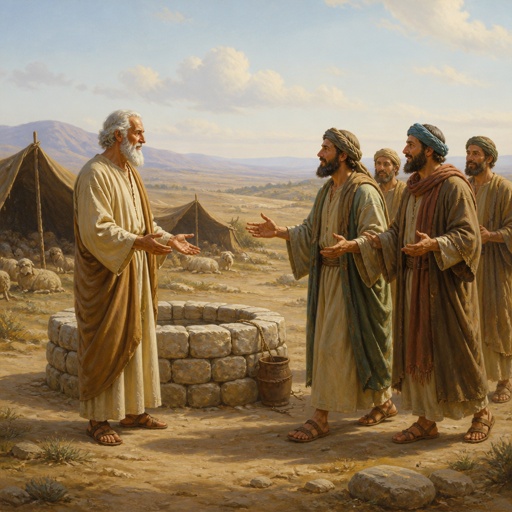
"That thou wilt do us no hurt, as we have not touched thee, and as we have done unto thee nothing but good, and have sent thee away in peace: thou art now the blessed of the LORD." - Genesis 26:29

Genesis 29:26 - "And Laban said, It must not be so done in our country, to give the younger before the firstborn."
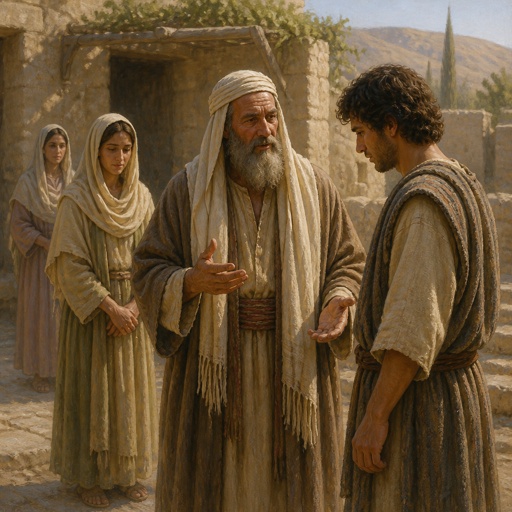
"And Laban said, It must not be so done in our country, to give the younger before the firstborn." - Genesis 29:26

Proverb 29:26

Proverb 29:26
Proverb 29:26

Genesis 29:29 - "And Laban gave to Rachel his daughter Bilhah his handmaid to be her maid."

Genesis 29-2

Genesis 29-6

Genesis 29-5

Genesis 42:29

Genesis 29:1

Genesis 29-7

Genesis 18-29

Genesis 1:26

Genesis 1:26

Genesis 1:26

1 Corinthians 11:26-29

1 Corinthians 11:26-29

Genesis 19-29

Genesis 29-8

Genesis 29-3

Genesis 29-4

Genesis 21-29

Genesis 24-29

Genesis 1:26

2 Chronicles 29:26 - "And the Levites stood with the instruments of David, and the priests with the trumpets."

2 Chronicles 29:26 (KJVA) 26 And the Levites stood with the instruments of David, and the priests with the trumpets.