The Feast of Reconciliation: A Table Set by Grace
“And he made them a feast, and they did eat and drink.” — Genesis 26:30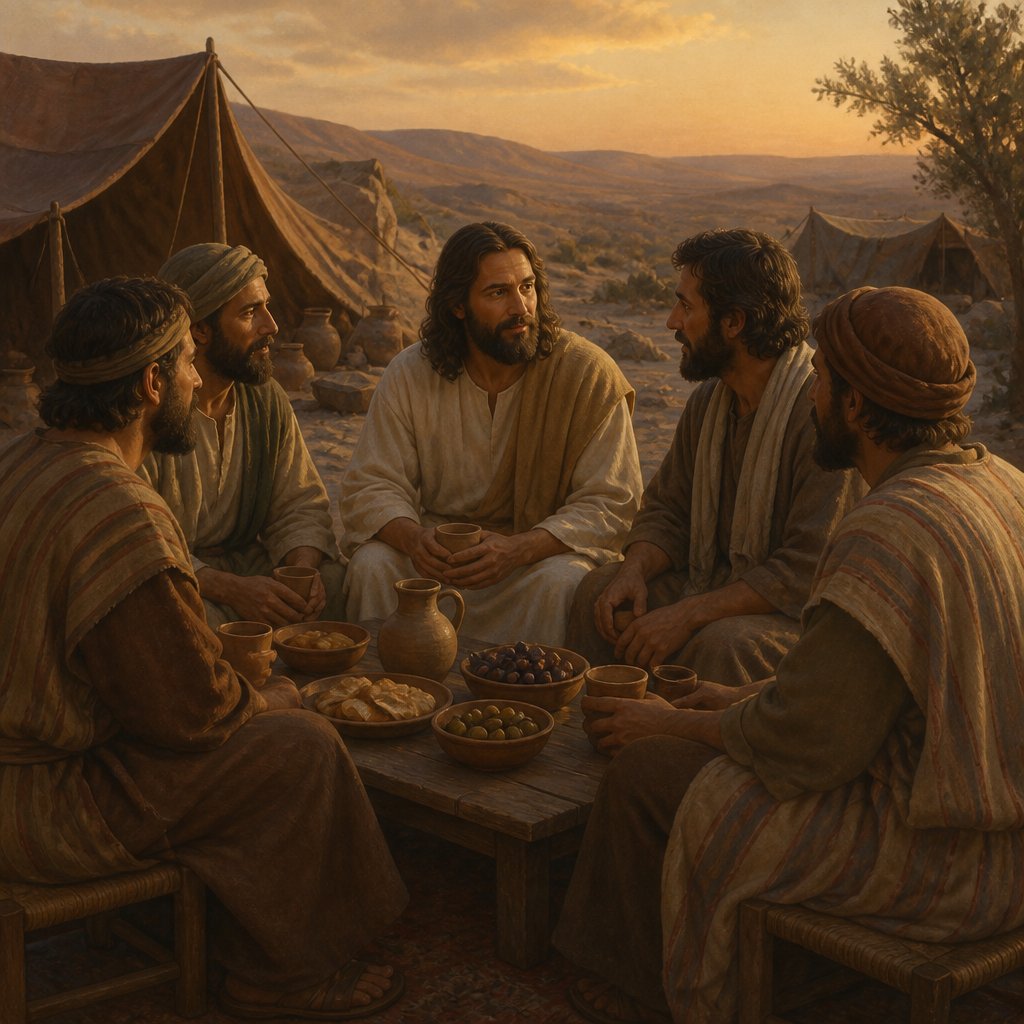
Genesis 26:30 states, "And he made them a feast, and they did eat and drink." This simple yet profound verse reveals the power of hospitality, reconciliation, and the grace that flows from both. To understand its significance, we must delve into the context in which this feast was prepared and the relationships that it represents.
In Genesis 26, we observe Isaac, the son of Abraham, facing conflict with the Philistines over water rights. This struggle symbolizes the challenges of life, where conflicts arise from misunderstandings, jealousy, or past grievances. The land of Gerar becomes a battleground not just for resources but also for relationships. As Isaac digs wells, he encounters opposition, and the bitterness of these disputes could easily foster resentment. However, God is continuously at work in Isaac's life, guiding him towards peace and resolution.
When the Philistines eventually come to Isaac, seeking reconciliation, it is a pivotal moment. They had previously forced him away from their land but now recognize that he is blessed and favored by God. In a similar manner, our own conflicts often begin from a place of misunderstanding or envy, leading us away from constructive relationships.
Isaac’s response to the Philistines speaks volumes about his character and faith. Rather than retaliate or harbor resentment, Isaac chooses to engage in a spirit of generosity and hospitality. In the act of preparing a feast, he acknowledges their shared humanity and the potential for renewal.
This feast signifies more than just a meal; it symbolizes new beginnings. In biblical culture, sharing a meal often represented a covenant or peace treaty, marking the end of hostility and the beginning of fellowship. Isaac extends grace where it might have been easier to refuse. He illustrates the calling of God’s people to embody love, even in the face of adversity. Through this feast, Isaac embodies a willingness to forgive and to build bridges, reflecting God’s ultimate desire for reconciliation with His creation.
In our own lives, we are often called to set the table of reconciliation. Much like Isaac, we encounter situations where misunderstandings and hurt feelings create divides in our relationships. The model set by Isaac encourages us to respond not with hostility but with hospitality. There is profound power in a shared meal, in the act of coming together at a table. It allows space for dialogue, understanding, and healing.
The act of making a feast invites us to engage with others, fostering bonds that transcend previous conflicts and grievances. Meals shared hold the potential to transform lives, soften hearts, and revive fractured relations. Whether in our families, workplaces, or communities, the simple act of inviting others to share a meal can be the first step toward reconciliation. It is an invitation to unite rather than divide.
Moreover, the idea of feasting extends beyond physical engagement; it brings forth spiritual nourishment. Just as Isaac hosted the Philistines, Jesus invites us to His table. In Revelation 3:20, He says, "Behold, I stand at the door, and knock: if any man hear my voice, and open the door, I will come in to him, and will sup with him, and he with me." Our communion with Christ is replicated in our relationships with others, and like Isaac’s feast, it opens the door to profound grace and deeper connections.
As we reflect on Genesis 26:30, let us challenge ourselves to be peacemakers who foster reconciliation in our own lives. Who in your life needs a feast of reconciliation? Who might God be calling you to extend grace to? Just as Isaac’s actions brought healing, may we too offer our tables as a place where healing and restoration can take place.
In the end, it is through the simple gestures of love and hospitality that God’s grace flows, reminding us that He has set a banquet table for us not based on our shortcomings but on His boundless mercy.
Get our apps


Artwork for Genesis 26:30

Genesis 26:30 - "And he made them a feast, and they did eat and drink."
"And he made them a feast, and they did eat and drink." - Genesis 26:30
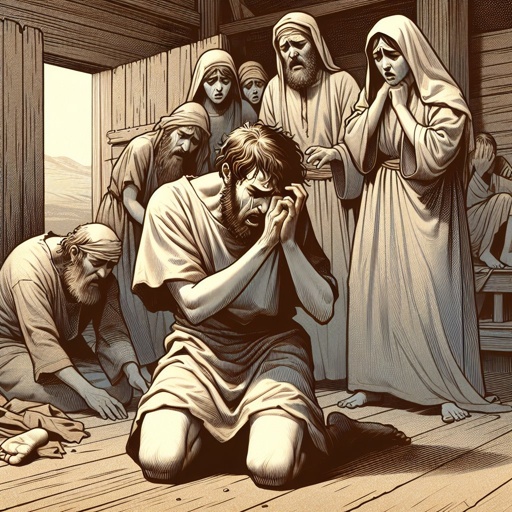
Genesis 30:26 - "Give me my wives and my children, for whom I have served thee, and let me go: for thou knowest my service which I have done thee."

Exodus 26:30

Genesis 19-30

Genesis 24-30

Genesis 18-30

Genesis 21-30

Genesis 1:26

Genesis 1:26

Genesis 1:26

Genesis 1:26

Proverbs 30:26 - "The conies are but a feeble folk, yet make they their houses in the rocks;"

Genesis 30:10-11

Genesis 29:15-30

Numbers 26:30 - "These are the sons of Gilead: of Jeezer, the family of the Jeezerites: of Helek, the family of the Helekites:"

Exodus 30:26 - "And thou shalt anoint the tabernacle of the congregation therewith, and the ark of the testimony,"

Matthew 26:30 - "And when they had sung an hymn, they went out into the mount of Olives."

Genesis 24-26

Genesis 26:35

Genesis 50:26

Genesis 26:25

Genesis 21-26

Genesis 25-26

Genesis 50:26

Genesis 19-26

Genesis 26:29

Genesis 50:26

Genesis 18-26

Genesis 26:18