The Well of Oaths: Finding Peace at Beer-sheba
“And he called it Shebah: therefore the name of the city is Beer-sheba unto this day.” — Genesis 26:33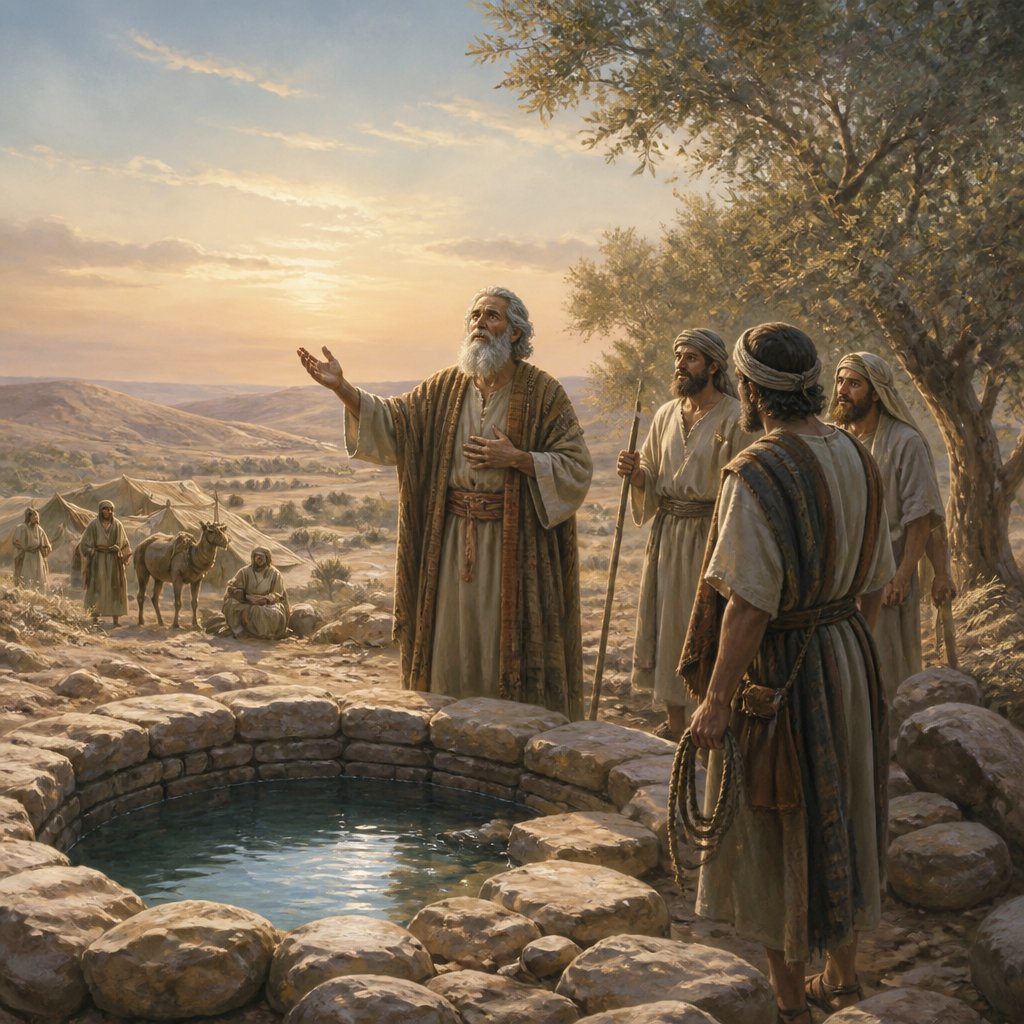
In the midst of life's challenges and migrations that take us far from familiar places, we often encounter moments of clarity and divine providence. Genesis 26:33 presents a profound instance of Abraham's son Isaac, who named the well "Shebah," leading to the city being called Beer-sheba—a name that resonates with the essence of divine oaths and peace. The King James Version (KJV) states, "And he called it Shebah: therefore the name of the city is Beer-sheba unto this day."
Beer-sheba, which means the "well of seven" or the "well of the oath," encapsulates a moment in the life of Isaac that is rich with spiritual significance. To understand this verse fully, we must delve into the narrative surrounding it. This passage is situated within a series of events where Isaac is demonstrating faith in God's promises in the face of conflict, abandonment, and relocation. The wells that Isaac dug were not just sources of physical sustenance; they were symbols of his covenantal relationship with the Lord, which was rooted in the promises made to his father, Abraham.
The significance of naming the well "Shebah" cannot be understated. In biblical times, names carried weight and were indicative of an occurrence or a divine act. The name "Shebah" is derived from the Hebrew word for seven, which often symbolizes completion and perfection in Scripture. By naming the well thus, Isaac is acknowledging a completed covenant with God. It signifies not only the physical provision of water but also the enduring faithfulness of God who provides for His people. In calling it Beer-sheba, it reflects a past interaction filled with divine peace and assurance.
This scene becomes encapsulated in a moment of worship and solemnity. Isaac's act of naming reflects a deeply spiritual gesture—a way of memorializing God's presence in his life, especially when he faced conflict with Abimelech, the king of the Philistines. Through these trials, Isaac remained steadfast, reflecting his faith despite intimidation and fear. When we, too, face uncertain situations—be it relational strife, work challenges, or personal struggles—we are called to remember the wells of our lives, the places of divine encounter and provision.
Isaiah 41:10 comes to mind: "Fear thou not; for I am with thee: be not dismayed; for I am thy God: I will strengthen thee; yea, I will help thee; yea, I will uphold thee with the right hand of my righteousness." This encourages us to trust in God’s promise, reassuring us that just as He was with Isaac, He is present with us, leading us to our own Beer-shebas.
Moreover, this teaching extends to the communal aspect of our relationship with God. Beer-sheba became significant not only for Isaac and his household but also for future generations. This illustrates a wonderful principle of faith: our encounters with God may not solely be for us but are to be shared. They act as beacons of hope and reminders of God’s faithfulness, paving the way for others to trust in Him.
As we reflect on the name Beer-sheba, let us consider the ‘wells’ we are digging in our spiritual journeys. Are they named with purpose and hope? Do they reflect our reliance on God? As we stand in our own Beer-shebas, let us celebrate the promises fulfilled in our lives, and seek to be fountains through which others may taste and see the goodness of the Lord. In times of uncertainty, may we remember the well of oaths made by God to His people, trusting that at every dry season, a new well may spring forth, leading us back to a place of peace, assurance, and divine sustenance.
Get our apps


Artwork for Genesis 26:33

Genesis 26:33 - "And he called it Shebah: therefore the name of the city is Beer-sheba unto this day."
"And he called it Shebah: therefore the name of the city is Beer-sheba unto this day." - Genesis 26:33
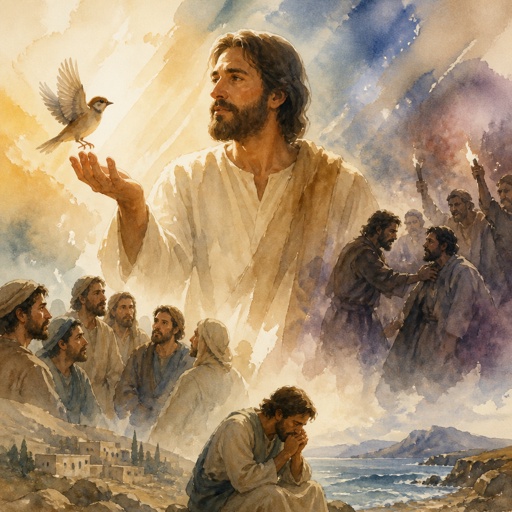
Matthew 10:26-33

Exodus 26:31-33

Numbers 33:26 - "And they removed from Makheloth, and encamped at Tahath."

Genesis 19-33

Genesis 21-33

Genesis 18-33

Genesis 24-33

Genesis 25-33

1 Corinthians 14:26-33

Genesis 1:26

Genesis 1:26

Genesis 1:26

Genesis 1:26

Genesis 33:6 - "Then the handmaidens came near, they and their children, and they bowed themselves."

Genesis 33:20 - "And he erected there an altar, and called it El-elohe-Israel."

Genesis 24-26

Genesis 26:35

Genesis 50:26

Genesis 26:25

Genesis 25-26

Genesis 21-26

Genesis 50:26

"And they removed from Makheloth, and encamped at Tahath." - Numbers 33:26

Genesis 50:26

Genesis 26:29

Genesis 18-26

Genesis 19-26

Genesis 26:18