What does Genesis 26:33 mean?
“And he called it Shebah: therefore the name of the city is Beer-sheba unto this day.” — Genesis 26:33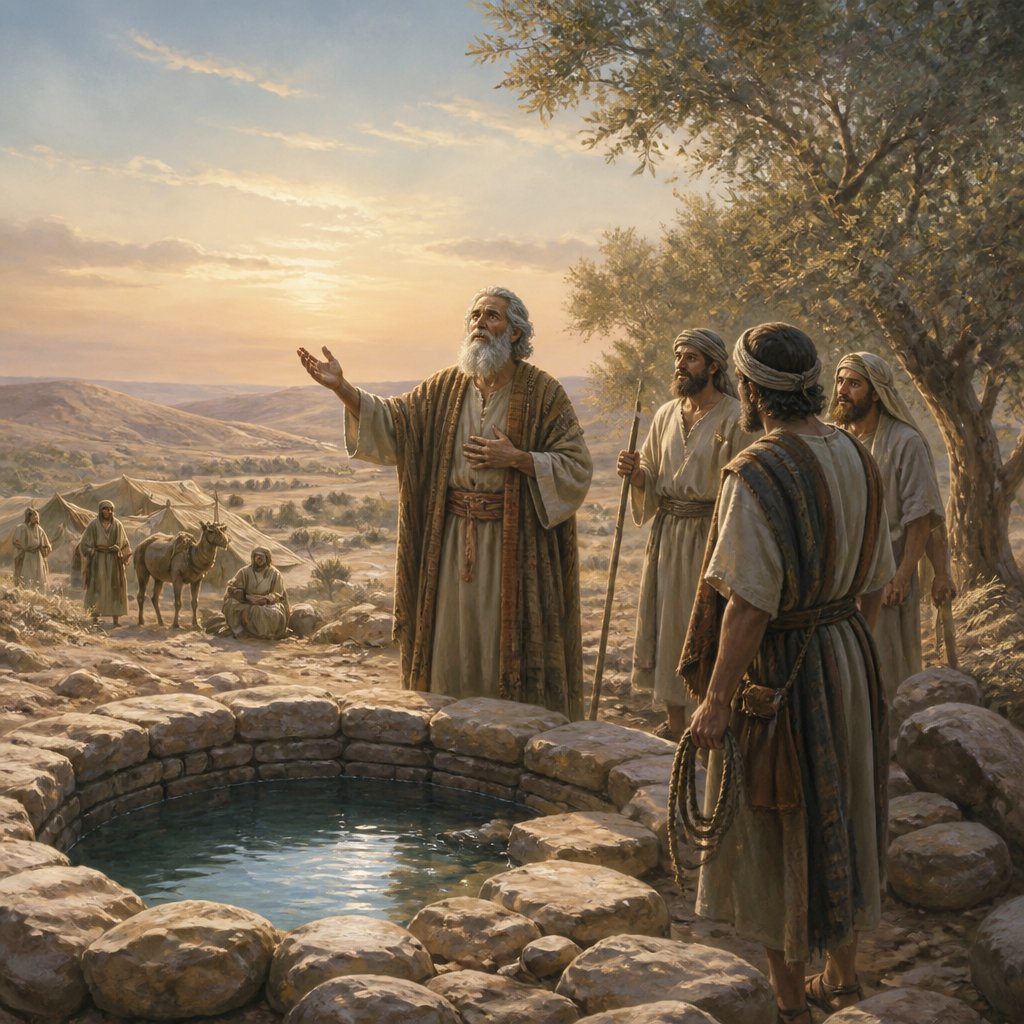
Genesis 26:33 (KJV) states, "And he called it Shebah: therefore the name of the city is Beersheba unto this day." This verse comes at the conclusion of the story of Isaac settling in the land of Gerar, and it holds deep significance within the historical and spiritual context of the Bible.
To fully understand the meaning of this verse, we must first examine the events that lead up to it. In the preceding verses, we learn that Isaac's servants had dug a well and found water, but the herdsmen of Gerar quarreled with them over the water. Isaac then moved to another location and dug another well, only to encounter similar contention. Finally, he moved once more and dug a third well, which was met with no opposition. It is at this point that Isaac names the well "Shebah," which means "oath" or "seven," signifying the covenant he made with the people of the land.
One of the primary themes in this passage is the concept of perseverance and patience in the face of adversity. Isaac faced multiple challenges in his quest to find a source of water for his people and livestock, but he did not lose faith. Instead, he continued to dig wells and seek a resolution to the conflict. This perseverance ultimately led to his success and the establishment of a peaceful covenant with the people of the land.
The naming of the well as "Shebah" also carries a significant spiritual symbolism. Throughout the Bible, the act of naming holds great importance, as it often represents a defining moment or a declaration of significance. In this case, the naming of the well reflects Isaac's recognition of God's faithfulness and his commitment to upholding the covenant between God and his people. It also signifies the establishment of a permanent settlement in the land, as evidenced by the statement that the city is "Beersheba unto this day."
Furthermore, the context of this verse within the broader narrative of Isaac's life serves to highlight the overarching theme of God's providence and faithfulness. Isaac's journey in the land of Gerar mirrors the experiences of his father, Abraham, as both faced similar challenges and trials. Yet, in both cases, God remained faithful to his promises and provided for his people in their times of need. The naming of the well and the city Beersheba serves as a tangible reminder of God's faithfulness and the enduring nature of his covenants.
In a broader sense, this verse also serves as a reflection of the importance of honoring and upholding agreements and promises. Isaac's commitment to establishing a covenant with the people of the land demonstrates the importance of maintaining peaceful and mutually beneficial relationships with others. This principle aligns with biblical teachings on the value of integrity, honesty, and respect for others, all of which are essential aspects of living a righteous and faithful life.
In conclusion, Genesis 26:33 holds deep significance within the biblical narrative, reflecting themes of perseverance, faithfulness, and the importance of upholding covenants and agreements. The naming of the well and the city Beersheba serves as a powerful symbol of God's provision and the enduring nature of his promises. It also serves as a timeless reminder of the value of maintaining peaceful and respectful relationships with others. As such, this verse continues to hold relevance and meaning for readers today, offering valuable insights into the nature of faith and covenantal relationships.
Get our apps


Artwork for Genesis 26:33

Genesis 26:33 - "And he called it Shebah: therefore the name of the city is Beer-sheba unto this day."
"And he called it Shebah: therefore the name of the city is Beer-sheba unto this day." - Genesis 26:33
Matthew 10:26-33

Exodus 26:31-33

Numbers 33:26 - "And they removed from Makheloth, and encamped at Tahath."

Genesis 19-33

Genesis 21-33

Genesis 18-33

Genesis 24-33

Genesis 25-33

1 Corinthians 14:26-33

Genesis 1:26

Genesis 1:26

Genesis 1:26

Genesis 1:26

Genesis 33:6 - "Then the handmaidens came near, they and their children, and they bowed themselves."

Genesis 33:20 - "And he erected there an altar, and called it El-elohe-Israel."

Genesis 24-26

Genesis 26:35

Genesis 50:26

Genesis 26:25

Genesis 25-26

Genesis 21-26

Genesis 50:26

"And they removed from Makheloth, and encamped at Tahath." - Numbers 33:26

Genesis 50:26

Genesis 26:29

Genesis 18-26

Genesis 19-26

Genesis 26:18