The Quest for Identity: Recognizing Our Spiritual Heritage
“And Isaac said unto Jacob, Come near, I pray thee, that I may feel thee, my son, whether thou be my very son Esau or not.” — Genesis 27:21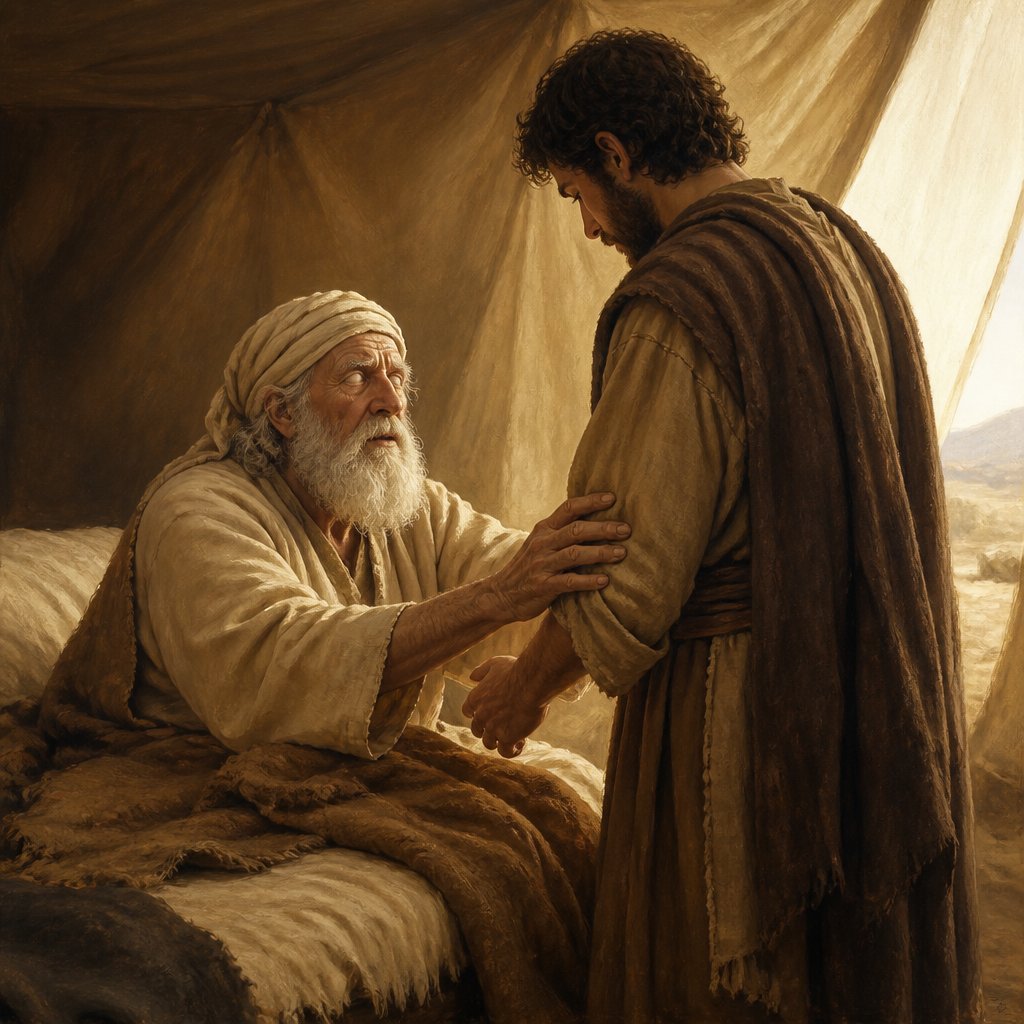
In the unfolding drama of Genesis 27, we encounter a pivotal moment in the lives of Isaac, Esau, and Jacob, which raises profound questions about identity, deception, and the quest for blessings. The verse that encapsulates this moment is found in Genesis 27:21 (KJV): "And Isaac said unto Jacob, Come near, I pray thee, that I may feel thee, my son, whether thou be my very son Esau or not."
This statement reveals a father’s longing to connect with his beloved son Esau. However, unknown to Isaac, he is speaking to Jacob, who, driven by ambition and instigated by his mother Rebekah, dons his brother's identity in a deceitful charade meant to gain the coveted blessing intended for Esau. Thus, the scene is set for an exploration of who we truly are and how we live in accordance with or against our authentic identity.
At the heart of Isaac's inquiry is a desire for certainty. He yearns to verify the identity of the person standing before him, pleading to touch and feel Jacob’s skin to determine if he is, in fact, Esau. In this moment, we observe a profound human reality: the struggle for recognition and acceptance. Isaac’s inability to see through Jacob’s disguise underscores a deeper spiritual truth: that often, we too can feel the need to masquerade or hide our true selves from others, believing that our worth is contingent on how others perceive us.
As we meditate on Isaac's words, we recognize the allegorical implications regarding our relationship with God. How often does God reach out, asking us to come near, praying to feel our true spirit? How often do we attempt to portray an image that we think will earn us His blessing? The peril of living in disguise is multifaceted, leading to not only confusion and internal strife but also the potential to alienate ourselves from God's genuine love and acceptance. Like Jacob, we can sometimes act from a place of insecurity, seeking validation through our actions or appearances rather than embracing our God-given identity.
In Jacob’s life, the act of deception didn’t come without consequences. Although he received the blessing, it marked the beginning of a tumultuous journey laden with guilt, fear, and ultimately the need for reconciliation. Each one of us possesses a narrative marked by choices laden with deception or authenticity. We may receive blessings in one form or another, but without a profound recognition of our true selves in God, these blessings may lead to restlessness and remorse.
God desires for us to approach Him authentically. 1 John 3:1 (KJV) reminds us, "Behold, what manner of love the Father hath bestowed upon us, that we should be called the sons of God. Therefore the world knoweth us not, because it knew him not." We are not merely beneficiaries of blessings; we are called to embody them as children of the Most High. In embracing our identity as His children, our lives can reflect the fullness of God's glory and intentions for us.
Thus, as we ponder Isaac’s words to Jacob in Genesis 27:21, let us allow God to draw us near. Let us remove the masks and the layers of deception that we may wear, and embrace the authenticity that comes from being known by Him. Each encounter with God is an opportunity to reaffirm our identity, to feel the warmth of His acceptance, and to truly begin living as who we are meant to be. We are not defined by our past decisions or the false identities we may have cultivated in pursuit of earthly approval. Rather, we are defined by the divine loving gaze of our Creator, who calls us to authenticity in Him.
Get our apps


Artwork for Genesis 27:21
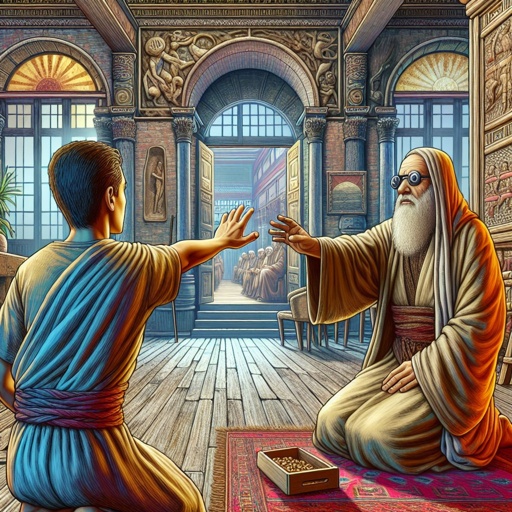
Genesis 27:21 - "And Isaac said unto Jacob, Come near, I pray thee, that I may feel thee, my son, whether thou be my very son Esau or not."

Genesis 27:21 KJV And Isaac said unto Jacob, Come near, I pray thee, that I may feel thee, my son, whether thou be my very son Esau or not.
"And Isaac said unto Jacob, Come near, I pray thee, that I may feel thee, my son, whether thou be my very son Esau or not." - Genesis 27:21

Genesis 21-27

Genesis 21:27 - "And Abraham took sheep and oxen, and gave them unto Abimelech; and both of them made a covenant."
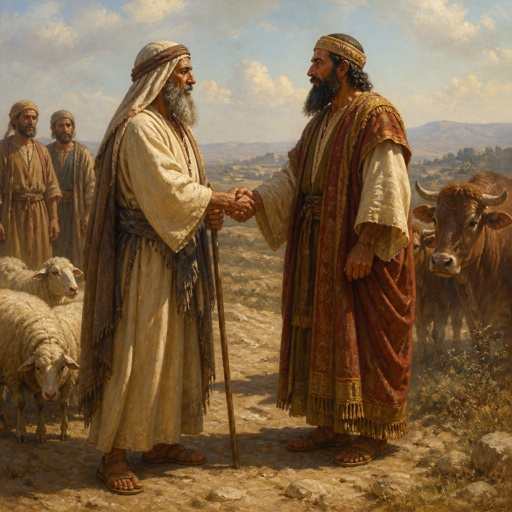
"And Abraham took sheep and oxen, and gave them unto Abimelech; and both of them made a covenant." - Genesis 21:27

Genesis 21-21

Genesis 27:32

Genesis 27:5

Genesis 25-27

Genesis 17-27

Genesis 18-27

Genesis 24-27

Genesis 19-27

Amos 5:21-27

Exodus 27:19-21

Genesis 10:27 - "And Hadoram, and Uzal, and Diklah,"

Genesis 1:21

Genesis 1:21

Genesis 27:10 KJV

Genesis 27:18-19

Genesis 27:1-3

Genesis 36:27 - "The children of Ezer are these; Bilhan, and Zaavan, and Akan."

Genesis 21-20

Genesis 21-6

Genesis 21-13

Genesis 21-10

Genesis 21-34

Genesis 21-2

Genesis 21-7