What does Genesis 27:21 mean?
“And Isaac said unto Jacob, Come near, I pray thee, that I may feel thee, my son, whether thou be my very son Esau or not.” — Genesis 27:21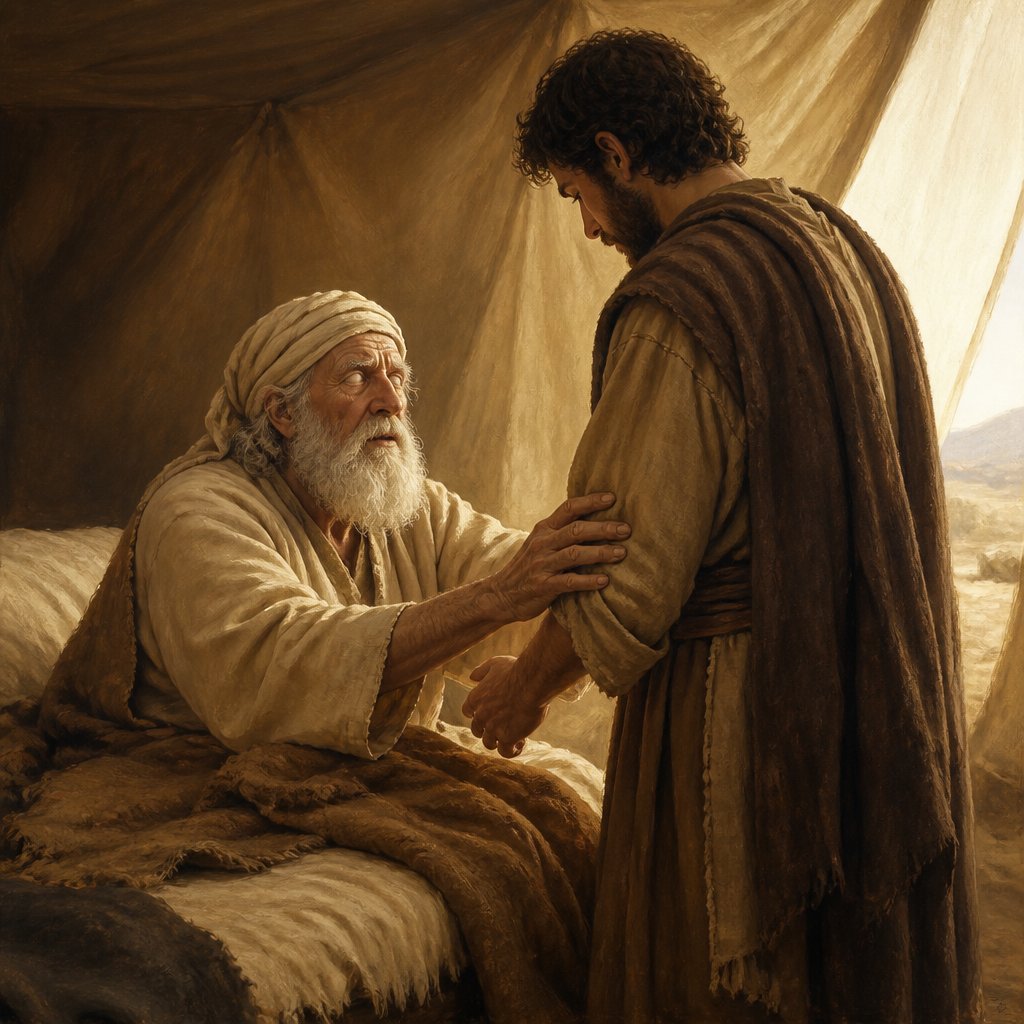
In Genesis 27:21, the King James Version of the Bible reads: “And Isaac said unto Jacob, Come near, I pray thee, that I may feel thee, my son, whether thou be my very son Esau or not.”
This verse is a pivotal moment in the story of Jacob and Esau, the twin sons of Isaac and Rebecca. It captures the tension and deception that is present in their family dynamic, and sets the stage for the dramatic events that follow.
The context of this verse is important in understanding its significance. In Genesis 27, Isaac is an old man who is approaching the end of his life. He intends to bestow his blessings on his elder son, Esau, before he dies. However, Rebecca, their mother, favours Jacob and orchestrates a plan to have him receive the blessings instead. She dresses Jacob in Esau’s clothes and covers his hands and neck with goatskins to mimic Esau’s hairiness.
When Jacob presents himself to Isaac as Esau, Isaac is suspicious and asks him to come closer so that he can feel him and confirm his identity. This moment is a climax in the deception that has been playing out in their family, and it highlights the themes of deceit, betrayal, and the consequences of trying to manipulate God’s will.
The verse reflects the theme of identity and deception. Jacob is pretending to be someone he is not, and Isaac is trying to discern the truth. This theme is central to the story of Jacob and Esau, as both brothers struggle with their own identities and the expectations placed upon them. Jacob, whose name means “he who supplants” or “he deceives”, lives up to his name by deceiving his father to receive the blessings meant for Esau. The verse also highlights the consequences of deception, as it sets in motion a series of events that will ultimately lead to the estrangement of the brothers and their families.
Another important theme in this verse is the idea of God’s will and providence. Despite the deception and manipulation at play, there is a sense that God’s plan is at work. This is evident in the fact that Isaac is initially suspicious of Jacob, and yet he ultimately blesses him, believing that he is Esau. This demonstrates the belief in the Biblical concept that God’s will cannot be thwarted by human actions, and that He works all things according to His purpose.
The symbolism in this verse is also significant. The act of Isaac feeling Jacob to determine his identity can be interpreted as a metaphor for the search for truth and authenticity. It speaks to the human desire to know and understand the true nature of things, and the consequences of being misled. The act of feeling also has a tactile and intimate quality, underscoring the emotional and personal stakes involved in this deceitful act.
Overall, Genesis 27:21 captures a moment of tension, deception, and consequence in the story of Jacob and Esau. It addresses themes of identity, deceit, God’s will, and the search for truth, and it sets the stage for the unfolding drama that will shape the future of the family. Its significance lies in its portrayal of the complexities of human relationships and the consequences of trying to manipulate God’s plans for our own ends.
Get our apps


Artwork for Genesis 27:21
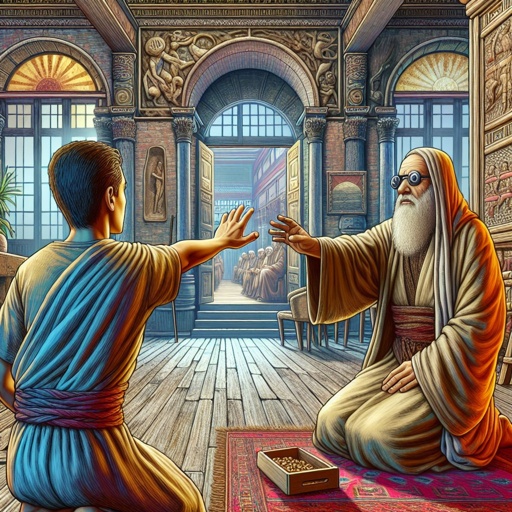
Genesis 27:21 - "And Isaac said unto Jacob, Come near, I pray thee, that I may feel thee, my son, whether thou be my very son Esau or not."

Genesis 27:21 KJV And Isaac said unto Jacob, Come near, I pray thee, that I may feel thee, my son, whether thou be my very son Esau or not.
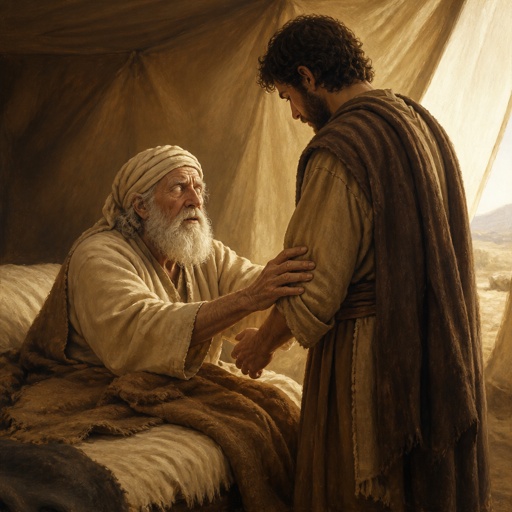
"And Isaac said unto Jacob, Come near, I pray thee, that I may feel thee, my son, whether thou be my very son Esau or not." - Genesis 27:21

Genesis 21-27

Genesis 21:27 - "And Abraham took sheep and oxen, and gave them unto Abimelech; and both of them made a covenant."
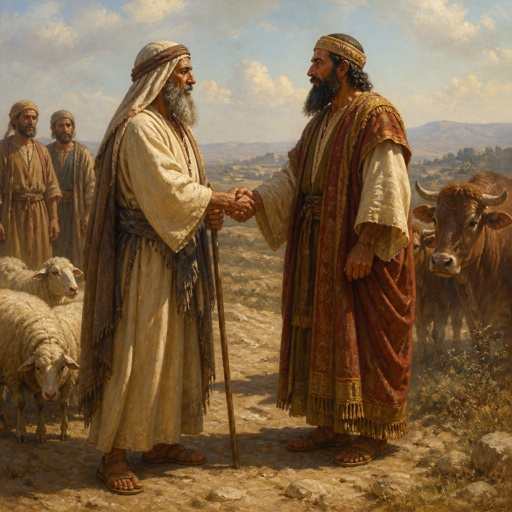
"And Abraham took sheep and oxen, and gave them unto Abimelech; and both of them made a covenant." - Genesis 21:27

Genesis 21-21

Genesis 27:32

Genesis 27:5

Genesis 25-27

Genesis 17-27

Genesis 18-27

Genesis 24-27

Genesis 19-27

Amos 5:21-27

Exodus 27:19-21

Genesis 10:27 - "And Hadoram, and Uzal, and Diklah,"

Genesis 1:21

Genesis 1:21

Genesis 27:10 KJV

Genesis 27:18-19

Genesis 27:1-3

Genesis 36:27 - "The children of Ezer are these; Bilhan, and Zaavan, and Akan."

Genesis 21-20

Genesis 21-6

Genesis 21-13

Genesis 21-10

Genesis 21-34

Genesis 21-2

Genesis 21-7