The Beauty of the Heart: Lessons from Leah and Rachel
“Leah was tender eyed; but Rachel was beautiful and well favoured.” — Genesis 29:17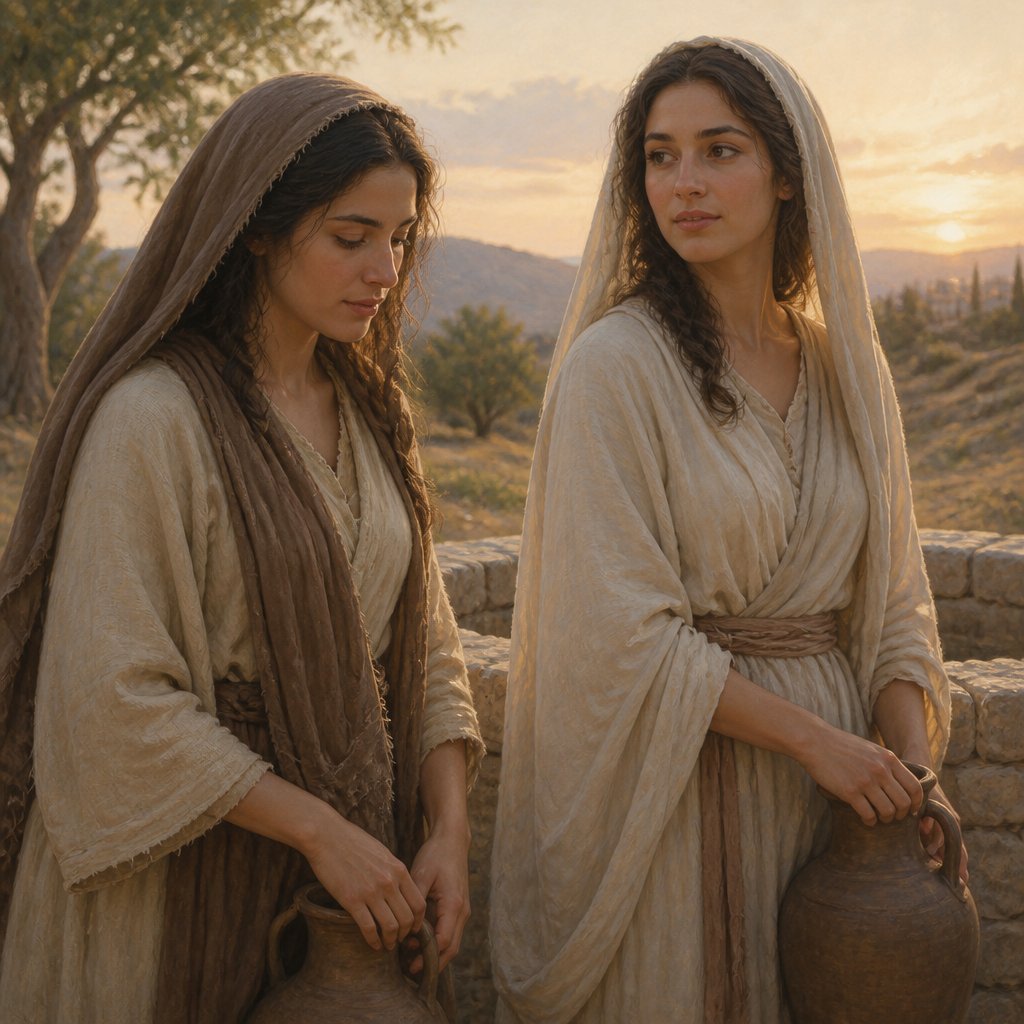
Genesis 29:17 states, "Leah was tender eyed; but Rachel was beautiful and well favoured." At first glance, this verse presents a stark contrast between two sisters—Leah, described as "tender eyed," and Rachel, celebrated for her beauty and favor. However, within this brief passage, there lies a profound revelation about the nature of beauty, worth, and how we perceive ourselves and others in the eyes of God.
In the culture of biblical times, beauty played a significant role in social status and desirability. Rachel’s physical appearance granted her a certain form of power and privilege. She was the favored daughter, and this distinction carried with it expectations, hopes, and dreams. In contrast, Leah was considered less attractive, which led her to a life that was marked by feelings of inadequacy and unworthiness. This dichotomy teaches us that while our society often values outward appearances, it is crucial to lift our eyes beyond skin-deep assessments.
The term "tender eyed" used for Leah can be interpreted in various ways. Some scholars suggest it implies that Leah had a gentleness or softness to her gaze, indicating a tender spirit—an aesthetic value in itself. It may also suggest she had a less striking physical appearance. Despite the implications of her description, God’s plan for Leah was monumental. Later, Leah became the mother of six of the twelve tribes of Israel, enriching the lineage through whom the Messiah would come. Through Leah’s lineage, God demonstrated that His purposes transcend human standards of beauty. In moments when we find ourselves comparing our worth based on external appearances or the accolades of society, we should remember Leah’s vital role in biblical history and God’s loving choice.
Moreover, the struggle between Leah and Rachel can reflect the struggles we all face—illustrating our human tendency to sway between envy and self-worth. Leah, caught in a reality where her sister was favored, constantly yearned for the love and affection of her husband Jacob. It is heartbreaking to note how she tried to win Jacob’s love through the children she bore him, yet this never fully brought her the validation she sought.
Rachel, on the other hand, also fell victim to her own insecurities, despite her beauty and being well-favored. Wretchedly aware of her sister's fruitful womb, she became envious, prompting her to demand children from Jacob, despite already possessing the beauty that many desired. This longing for affirmation, love, and attention showcases a common human struggle that both women experienced in differing circumstances. While Leah longed to be loved for her beauty of heart, Rachel longed to have what Leah possessed—a blessing she couldn't achieve through her own beauty.
As Christians, we are called to reflect upon the hearts of others rather than solely their outward beauty. The Bible urges us not to conform to the patterns of this world, but to renew our minds (Romans 12:2). This transformation involves recognizing the immense value God places upon each of us, far beyond our physical appearance.
Ultimately, God sees the heart (1 Samuel 16:7), and it is from the heart that true beauty emerges. Leah’s story poignantly demonstrates that God can use those who are overlooked or undervalued for incredible divine purposes. Whether we find ourselves identifying more with Leah’s tender spirit or Rachel’s striking features, it is essential to remember our identities are grounded in God’s great love for us rather than society’s fluctuating standards.
In conclusion, as we ponder on Genesis 29:17, let us be reminded to cultivate beauty from within. Like Leah, we can learn to be tender-hearted and embrace our value. Like Rachel, we can confront our insecurities, realizing that beauty fades, but a kind heart and a loving spirit are cherished by God. Instead of wallowing in comparison, let each of us strive to empower and celebrate one another's unique beauty, championing a world where true worth is recognized through God’s eyes.
Get our apps


Artwork for Genesis 29:17

Genesis 29:17 - "Leah was tender eyed; but Rachel was beautiful and well favoured."
"Leah was tender eyed; but Rachel was beautiful and well favoured." - Genesis 29:17

Genesis 29:29 - "And Laban gave to Rachel his daughter Bilhah his handmaid to be her maid."

Genesis 29-2

Genesis 29-6

Genesis 29-5

Genesis 42:29

Genesis 29-7

Genesis 29:1

Genesis 18-29

Genesis 26:29

Genesis 29-3

Genesis 19-29

Genesis 29-8

Genesis 29-4

Genesis 21-29

Genesis 24-29

Genesis 17-17

Genesis 29:16-35

Genesis 29:15-30

Exodus 13:17-14:29

Genesis 10:29 - "And Ophir, and Havilah, and Jobab: all these were the sons of Joktan."

Genesis 29:11 - "And Jacob kissed Rachel, and lifted up his voice, and wept."

Genesis 29:1 - "Then Jacob went on his journey, and came into the land of the people of the east."

Genesis 17-15

Genesis 17-23

Genesis 18-17

Genesis 17-27

Genesis 17-21

Genesis 17:2