From Eden to Exile: The Purpose in Our Labor
“Therefore the LORD God sent him forth from the garden of Eden, to till the ground from whence he was taken.” — Genesis 3:23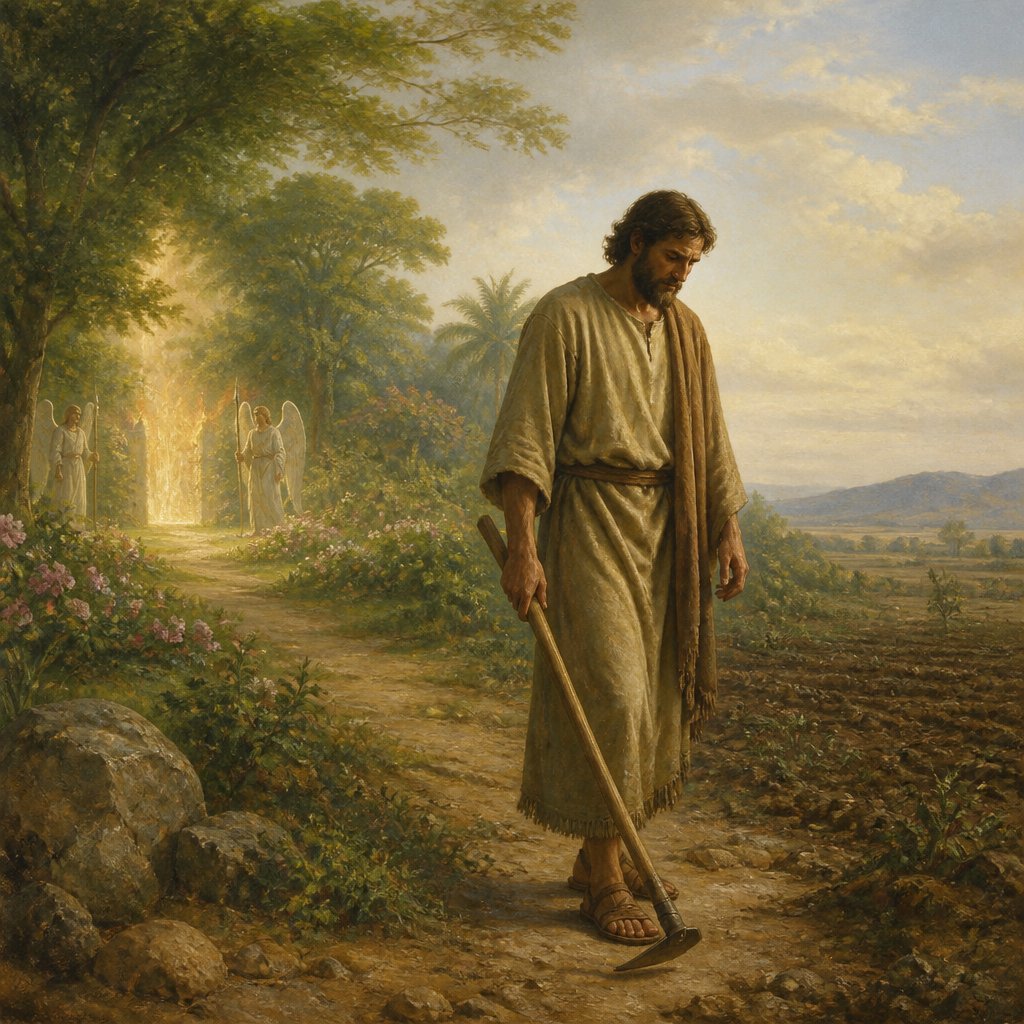
Genesis 3:23 provides a stark transition in the narrative of humanity's relationship with God: "Therefore the LORD God sent him forth from the garden of Eden, to till the ground from whence he was taken." This moment marks the closing chapter of an unbroken communion between God and humanity, signaling a shift from paradise to perseverance. In exploring this verse, we uncover profound truths regarding divine purpose, the nature of our work, and God’s continued presence in our lives.
When Adam was expelled from Eden, it wasn’t merely a punishment but a redirection of purpose. Adam was designed to tend the garden, a role that mirrored the cultivation of a thriving relationship with God. However, due to disobedience, this role transformed. The lush, effortless life in Eden changed dramatically; Adam was now called to till the ground from whence he was taken—a ground that would not yield easily but would require toil. This shift from an idyllic existence to a laborious journey holds lessons for us today, for it reflects our own paths when we face the harsh realities of life.
**Understanding Labor as Worship**
In the midst of toil, so often viewed as mere drudgery, we find an opportunity to engage with the divine in a way that transcends our initial understanding. Ecclesiastes 3:13 reminds us, “And also that every man should eat and drink, and enjoy the good of all his labour, it is the gift of God.” Our work, whether it be in the field of agriculture, our jobs, or in the home as parents and caregivers, is imbued with potential for worship. Adam’s new task was not just to cultivate the land but to cultivate an attitude of gratitude and reliance on God's provisions.
**The Ground We Till**
The land Adam returned to was not the promise of Eden, but a place marked by thorns and thistles, a stark reminder of the consequences of his actions. Yet, this very ground was rich with potential. It is important to note that our circumstances, however challenging, are often the soil in which our character is developed. In working the ground, Adam would not be alone; God was present, guiding and providing even in this new reality. Likewise, our labor—physical, emotional, and spiritual—can be transformed into purpose.
In our own lives, when we are faced with the 'ground' of difficult situations or challenges, we must remember that God has not abandoned us. He walks with us through the hardships and is our constant source of strength. Our work can become a space of divine encounter, where we learn the intricacies of perseverance, patience, and faithful stewardship over what God has placed before us.
**Hope Amidst the Struggles**
From the comforts of Eden to the challenging soil of everyday life, Adam’s journey represents our own. It is a reminder that struggles may prompt us to grow in ways we would never have anticipated. The act of tilling was not just about producing food; it was about cultivating dependence on God. In our labor, we often find the provision of grace to sustain us, the wisdom to navigate the complexity of our tasks, and the opportunity to impact those around us.
**Conclusion: Redemption in Labor**
As we reflect on Genesis 3:23, we are called to recognize that labor, even under less-than-ideal circumstances, is an act of worship. It is a means to acknowledge God’s sovereignty and a way to participate in His Creation. The ground we till today—whether in our families, workplaces, or communities—becomes the canvas for God’s masterpiece of redemption.
Let us embrace our work with renewed vision, recognizing it as part of our journey back towards the Eden of complete fellowship with God. He walks with us through our laborious tasks, infusing them with purpose and the promise of His presence, guiding us back towards fulfillment in Him.
Get our apps


Artwork for Genesis 3:23

Genesis 3:23

Genesis 3:23 - "Therefore the LORD God sent him forth from the garden of Eden, to till the ground from whence he was taken."
"Therefore the LORD God sent him forth from the garden of Eden, to till the ground from whence he was taken." - Genesis 3:23

Genesis 23-3

Genesis 23:3 - "¶ And Abraham stood up from before his dead, and spake unto the sons of Heth, saying,"
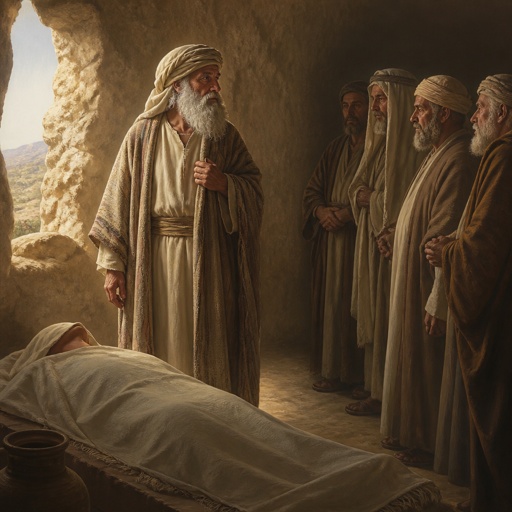
"¶ And Abraham stood up from before his dead, and spake unto the sons of Heth, saying," - Genesis 23:3

Genesis 23-19

Genesis 23-13

Genesis 23:11

Genesis 23-17

Genesis 23-9

Genesis 23-18

Genesis 23-12

Genesis 23-5

Genesis 23:2

Genesis 23-4

Genesis 17-23

Genesis 23:1

Genesis 23-10

Genesis 23-16

Genesis 23-6

Genesis 23-8

Genesis 25-23

Genesis 22-23

Genesis 18-23

Genesis 19-23

Genesis 23-14

Genesis 21-23

Genesis 23-7

Genesis 24-23