The Weight of Choices: A Reflection on Genesis 34:26
“And they slew Hamor and Shechem his son with the edge of the sword, and took Dinah out of Shechem’s house, and went out.” — Genesis 34:26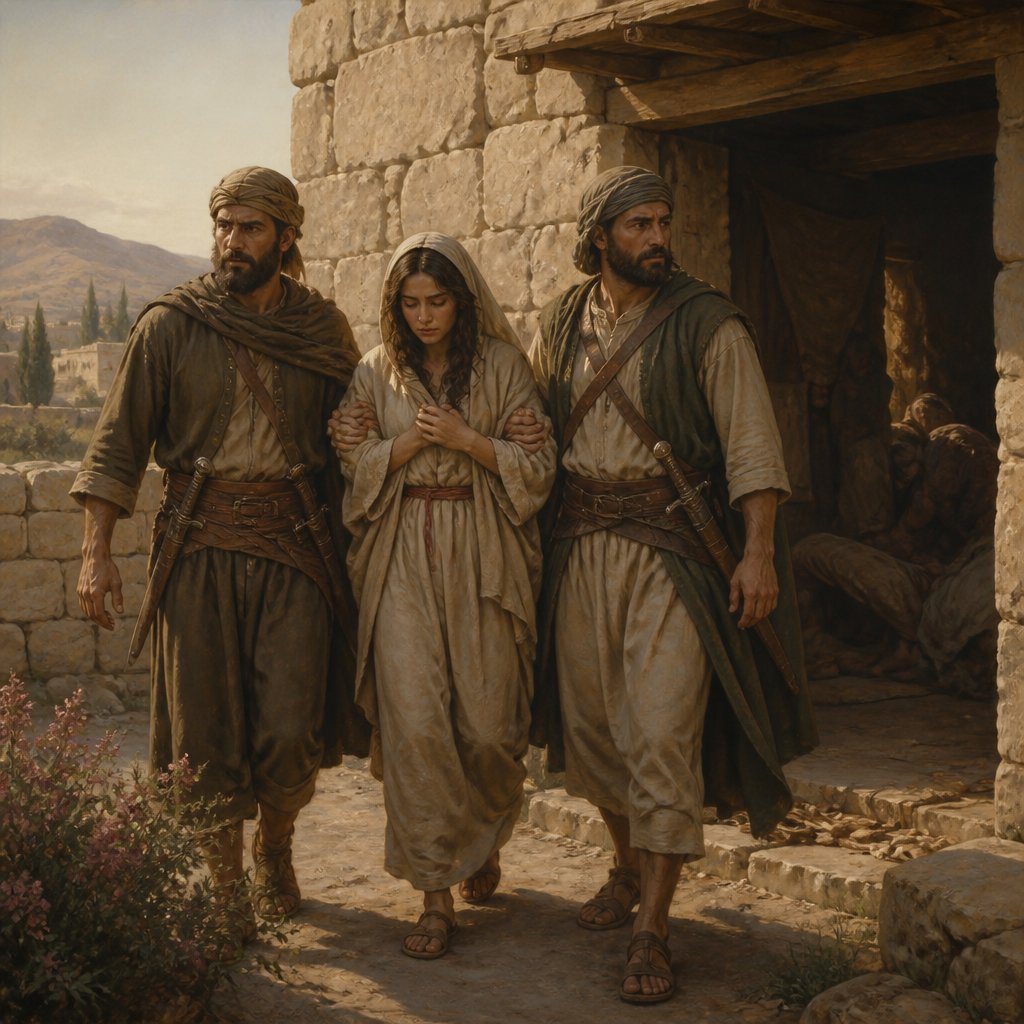
Genesis 34 tells a story riddled with complexity, human emotion, and the violent consequences of decisions made in haste. The passage that states, "And they slew Hamor and Shechem his son with the edge of the sword, and took Dinah out of Shechem's house, and went out" (Genesis 34:26, KJV), is a pivotal point in the narrative, encapsulating themes of revenge, justice, family loyalty, and the tragic results of sin.
At first glance, this verse unveils a horrifying act—murder, vengeance, and abduction—all wrapped around a deeply personal and familial grievance. Dinah, the daughter of Jacob, suffered a terrible wrong when Shechem, the son of Hamor, forcefully took her and dishonored her. Dinah's violation ignited a firestorm of anger and vengeance within her brothers, Simeon and Levi, who blazed a path toward wrath as they sought justice for their sister. The act was driven not just by a desire for retribution but also by feelings of desperation and responsibility to protect Dinah’s honor.
It is essential to consider the context and the fragmented socio-cultural backdrop of this narrative. The events occurred in a time when such an affront to a woman's honor could provoke extreme responses from her male family members. Simeon and Levi felt compelled to act, and while their actions might stem from a sense of duty towards their sister, they were ultimately marked by violence and bloodshed. This includes weighing the moral implications of their decisions in light of God’s commandments, which emphasize valuing human life, promoting justice, and abstaining from vengeance.
The brothers’ choice leads to graver repercussions. The actions taken against Hamor and Shechem were not innocuous; they escalated into a wider conflict between Jacob’s family and the inhabitants of the land. Herein lies a significant teaching point from this verse: our choices, particularly those anchored in anger and vengeance, seldom remain contained. The ramifications can spiral into cycles of retaliation that can engulf entire families, communities, and even generations.
Think of the emotional aftermath for Dinah. She was pulled from a situation that had already turned her world upside down, but the violence that ensued potentially deepened her trauma. How often do we impose our sense of justice upon situations without considering the aftermath on those we seek to defend? In our attempts to right wrongs, we must guard against making choices that might only perpetuate further harm and sorrow.
Moreover, the story raises the question of justice versus vengeance. Simeon and Levi acted on their own understanding of justice driven by raw emotion rather than a divine blueprint for how to address grievances. When we choose vengeance, we often cloud our judgment. As believers, we are called to extend grace, seek reconciliation, and choose paths that reflect Christ’s love, even when we feel justified in our anger.
In wrestling with this scripture, let us also reflect on our responses to the injustices we encounter. Are we quick to retaliate when we perceive a wrong has been done? Do we base our actions on cultural expectations or personal vendettas? Genesis 34:26 reminds us to evaluate the motives behind our decisions and to seek wisdom and righteousness in our actions. Let’s seek the counsel of God and the guidance of the Holy Spirit to lead us towards paths of peace, even in situations that cry out for justice.
Today, let us pray for the strength to respond to wrongs with love rather than violence, with understanding rather than vengeance. Our choices, even in moments of pain, should reflect the heart of God.
In conclusion, while Genesis 34:26 recounts a tragic moment in biblical history, it speaks volumes to us about the importance of our choices and their ripple effects. By seeking to understand our decisions through the lens of grace and love, we cultivate a heart willing to restore rather than retaliate, reflecting God’s character in a fractured world.
Get our apps


Artwork for Genesis 34:26

Genesis 34:26 - "And they slew Hamor and Shechem his son with the edge of the sword, and took Dinah out of Shechem's house, and went out."
"And they slew Hamor and Shechem his son with the edge of the sword, and took Dinah out of Shechem's house, and went out." - Genesis 34:26

Genesis 26:34 - "¶ And Esau was forty years old when he took to wife Judith the daughter of Beeri the Hittite, and Bashemath the daughter of Elon the Hittite:"

Genesis 21-34

Genesis 19-34

Genesis 24-34
"¶ And Esau was forty years old when he took to wife Judith the daughter of Beeri the Hittite, and Bashemath the daughter of Elon the Hittite:" - Genesis 26:34

Numbers 34:26 - "And the prince of the tribe of the children of Issachar, Paltiel the son of Azzan."

Job 34:26 - "He striketh them as wicked men in the open sight of others;"

Genesis 1:26

Genesis 1:26

Genesis 1:26

Genesis 21:34 - "And Abraham sojourned in the Philistines' land many days."

Genesis 1:26

Exodus 26:34 - "And thou shalt put the mercy seat upon the ark of the testimony in the most holy place."

Genesis 34:18 - "And their words pleased Hamor, and Shechem Hamor's son."

Genesis 24:34 - "And he said, I am Abraham's servant."

Numbers 26:34 - "These are the families of Manasseh, and those that were numbered of them, fifty and two thousand and seven hundred."

Genesis 34:31 - "And they said, Should he deal with our sister as with an harlot?"

Genesis 36:34 - "And Jobab died, and Husham of the land of Temani reigned in his stead."

Genesis 34:28 - "They took their sheep, and their oxen, and their asses, and that which was in the city, and that which was in the field,"

Genesis 24-26

Genesis 26:35

Genesis 50:26

Genesis 26:25

Genesis 21-26

Genesis 25-26

Genesis 50:26

Genesis 19-26

Genesis 26:29