The Burden of Spoiled Conquests
“They took their sheep, and their oxen, and their asses, and that which was in the city, and that which was in the field,” — Genesis 34:28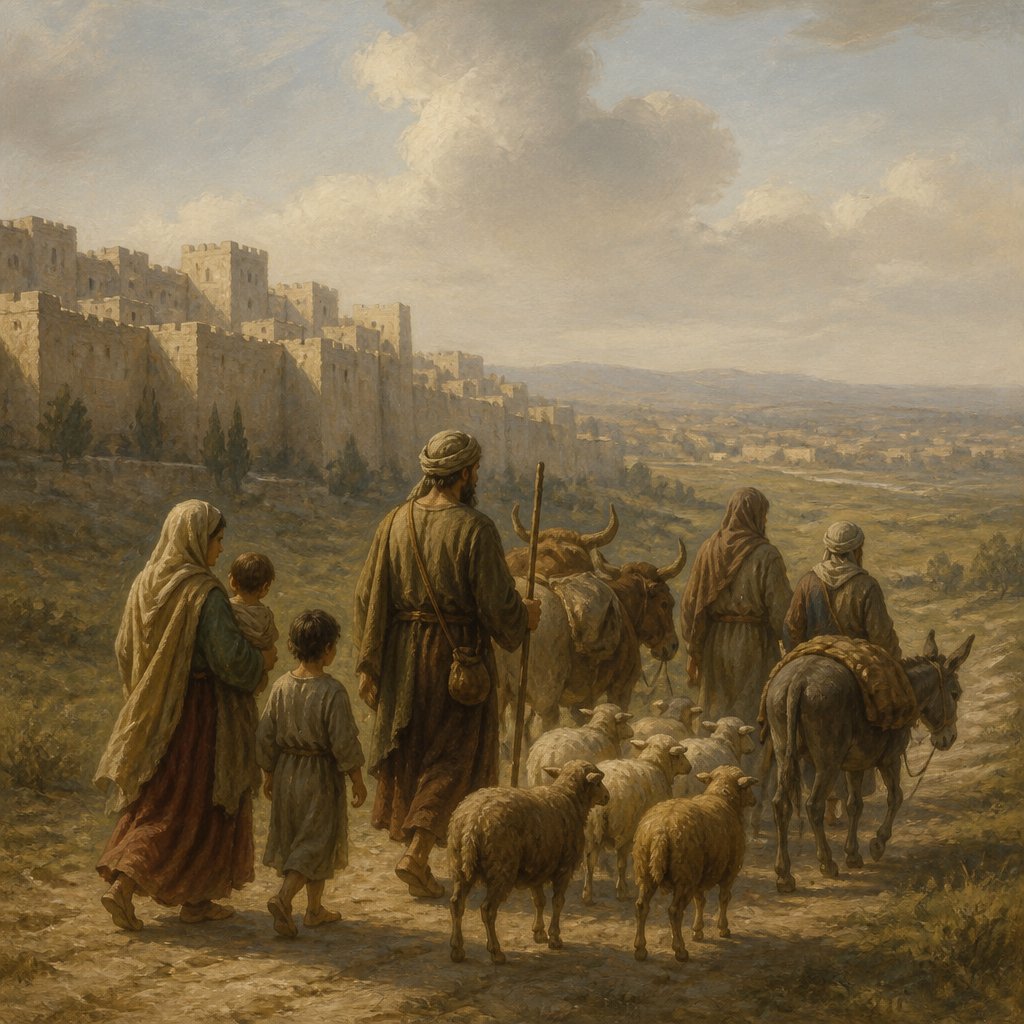
Genesis 34:28 (KJV) states, "They took their sheep, and their oxen, and their asses, and that which was in the city, and that which was in the field." This verse, while seemingly simple, presents profound themes of conflict, consequence, and the heart's intent.
In the context of this biblical narrative, we find the sons of Jacob reacting to the violation of their sister, Dinah, by Shechem. What follows is a series of vengeful actions that underscore the reality of human emotions: anger, betrayal, and a desire for restoration. The story unveils the deep complexities of their familial relationships and the darkness that can arise from perceived injustices.
When we reflect upon the choices made by Jacob's sons, we must consider the motivations behind their actions. They took not only livestock and goods, but they also engaged in a broader conversation about ownership, identity, and legacy. Their decision to attack the city as an act of revenge highlights a pervasive question: what do we truly value? The livestock, once a vital source of livelihood, now becomes a trophy of war. Their hearts, overflowing with anger, sought to reclaim honor, yet in their haste, they also took the lives of innocent people, erasing any hope of reconciliation.
The capturing of sheep, oxen, and asses can be viewed as a metaphor for life's spoils. We often gain things at a cost, sometimes taking what does not belong to us in times of rage or hurt. In today's world, this can be manifested in various forms. We may grab hold of material possessions in our quest for stability or peace after a personal trauma, yet these things cannot heal the wounds of the heart. The spoil of war can become a burden, something we carry with us as a constant reminder of the irreversible actions taken in moments of emotional volatility.
Each character in this narrative personifies the struggles humanity faces. Jacob, torn by the actions of his sons and the consequences that unfold, symbolizes the dilemma of leadership and parental guidance. He witnesses the divergent paths chosen by his progeny. As followers of Christ, we are called to lead with love, to teach forgiveness, and to embody grace—yet, too often, we may find ourselves mirroring Jacob’s silent anguish as our loved ones make poor choices.
Genesis 34:28 draws us into the inner sanctum of this family dynamic, revealing that our decisions affect not just our own lives, but those around us. The goods taken from Shechem’s city did not simply serve as a compensation for loss; they carried the weight of bloodshed, a mark of condemnation on the hearts of the brothers. The act of taking is not an innocent one; it requires a reckoning.
The spiritual implication here is vast. We are often tempted to take matters into our own hands—be it through unholy means of restoration, seeking control over our lives, or retaliating against our enemies. Yet, as followers of Christ, we are encouraged to lay our burdens down, seeking God’s justice instead of our own. Romans 12:19 reminds us, "Vengeance is mine; I will repay, saith the Lord." In learning to trust in divine justice, we can break the cycle of retaliation.
As we meditate on Genesis 34:28, let us examine the possessions we hold onto and the spiritual battles we engage in. What spoils have we taken into our hearts that weigh heavily upon us? Are there unresolved grievances that prompt us to act against our better judgment? May we pray for a heart that seeks understanding, healing, and reconciliation rather than conflict and possession. Let us strive to be good stewards of our relationships and seek to honor God with our actions, choosing the path of proportionate love and forgiveness.
Get our apps


Artwork for Genesis 34:28

Genesis 34:28 - "They took their sheep, and their oxen, and their asses, and that which was in the city, and that which was in the field,"
"They took their sheep, and their oxen, and their asses, and that which was in the city, and that which was in the field," - Genesis 34:28

Exodus 28:31-34

Exodus 28:31-34

Exodus 28:31-34

Genesis 21-34

Genesis 19-34

Genesis 24-34

Numbers 34:28 - "And the prince of the tribe of the children of Naphtali, Pedahel the son of Ammihud."

Genesis 21:34 - "And Abraham sojourned in the Philistines' land many days."

Deuteronomy 28:34 - "So that thou shalt be mad for the sight of thine eyes which thou shalt see."

Exodus 28:34 - "A golden bell and a pomegranate, a golden bell and a pomegranate, upon the hem of the robe round about."

Job 34:28 - "So that they cause the cry of the poor to come unto him, and he heareth the cry of the afflicted."

Genesis 34:18 - "And their words pleased Hamor, and Shechem Hamor's son."

Genesis 24:34 - "And he said, I am Abraham's servant."

Genesis 28-15

Genesis 28-12

Genesis 28-16

Genesis 28-21

Genesis 28-22

Genesis 28-17

Genesis 21:28

Genesis 28:18

Genesis 24:28

Genesis 28:18

Genesis 28-20

Genesis 28-13

Genesis 28-19

Genesis 28-14

Genesis 28-11