The Generations of Esau: A Reflection on Identity and Legacy
“Now these are the generations of Esau, who is Edom.” — Genesis 36:1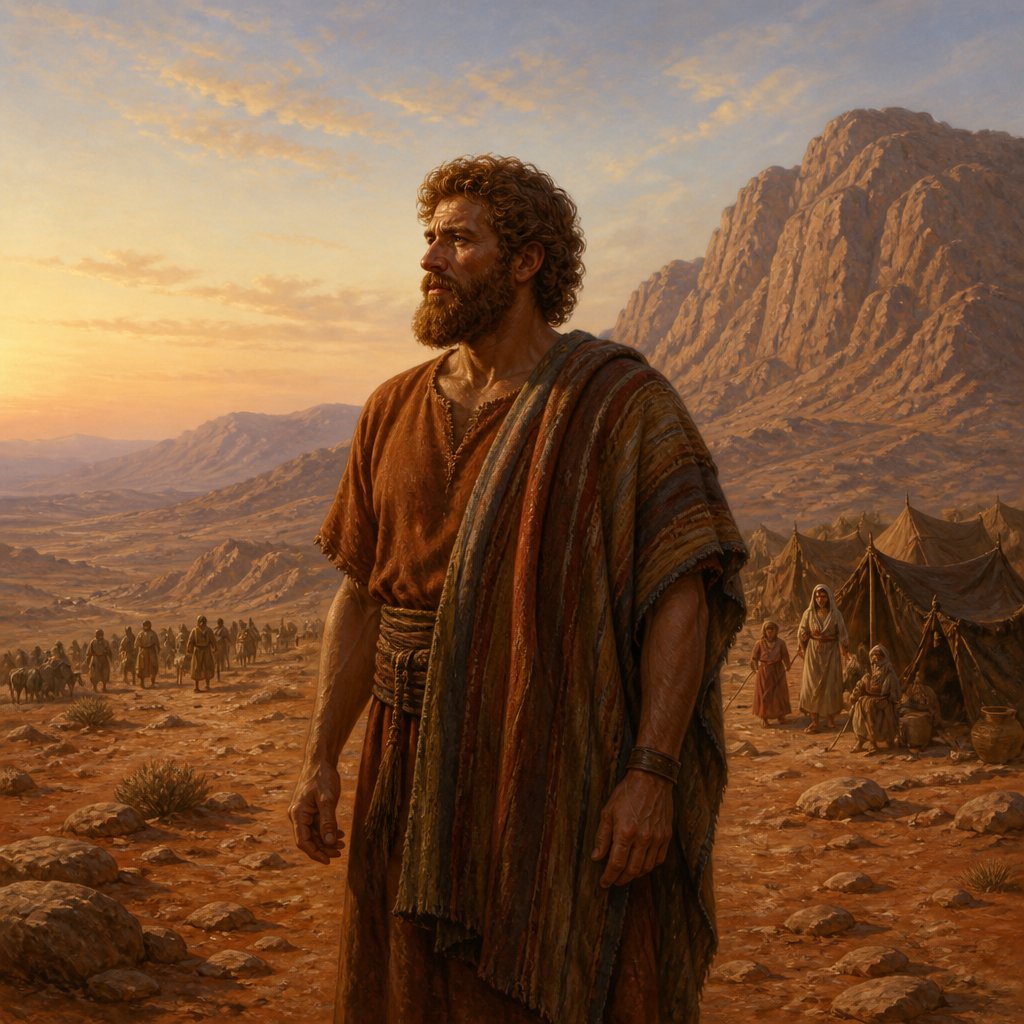
Genesis 36:1 states, "Now these are the generations of Esau, who is Edom." At first glance, this verse may appear to be a simple introduction to a genealogy. However, a closer examination reveals profound insights about identity, legacy, and the significance of understanding our roots in the light of our faith.
The name "Esau" conjures images of a complex character from the Old Testament. Esau, the twin brother of Jacob, is often depicted as the impulsive and ruddy hunter who traded his birthright for a simple meal. His story is interwoven with themes of struggle, conflict, and, ultimately, reconciliation. Yet, the opening of this chapter reminds us that he is not merely a character in a story; he is the patriarch of a lineage that holds importance in biblical history.
The phrase "generations of Esau" calls us to reflect on the weight of legacy. Each generation builds upon the foundations laid by those before them. As Christians, we are reminded of our own legacies. We ought to think critically about what we are passing along—not just through inheritance or tradition but through our words, actions, and faith. The decisions Esau made impacted not only his immediate future but also shaped the Edomites, his descendants. The identity of a lineage carries the ethos of their forefathers. This raises an essential question for us: What are we choosing to pass down to the next generations?
Edom, derived from Esau's name, translates to “red” in Hebrew, referring to the color of the stew for which Esau famously traded his birthright. This association of color is noteworthy; red reflects both vitality and ferocity. So too, the legacy we create may be vibrant but also fraught with struggles and hardships. As Christians, we are challenged not only to create a vivid and meaningful legacy but also to ensure that it is rooted in God’s principles.
As we explore the lineage of Esau, we notice that often genealogies in the Bible serve as a roadmap acknowledging God’s sovereign hand in the historical narrative. Through Esau's descendants, the Edomites emerged, a nation that often interacted with Israel, rivaling and sometimes clashing with them. This part of the narrative invites us to examine how our legacies might influence those around us. Are we promoting division or unity? Are we embracing peace or fostering conflict?
The generational ties highlighted in Genesis 36:1 fortify the idea that our identity is intrinsically linked to our ancestry. Just as Esau’s legacy impacted the Edomites, our identity is shaped not only by our own choices but also by the choices of those who came before us. Scripture reminds us that while we inherit certain traits or values, ultimately, we are called to live out our unique identity in Christ. Galatians 3:26 tells us, “For ye are all the children of God by faith in Christ Jesus.” Our ultimate identity transcends earthly lineage; it is rooted in our relationship with Christ.
Moreover, understanding the generations of Esau offers an opportunity for redemption. The history of the Edomites is marked by struggles and trials, yet God’s grace is suffused throughout the narrative as well. No matter how tumultuous our lineage or our current situation may be, there is hope for transformation, renewal, and purpose in God’s eyes. Just as He worked through the narrative of Esau and Jacob, He works through our stories.
In conclusion, as we meditate on Genesis 36:1, let us consider how we define our legacies and identities. Let us strive to create a lineage that reflects the love, mercy, and grace of God, reminding us that our lasting impact goes far beyond ourselves. In doing so, we play a part in a greater narrative of redemption that leads others closer to the heart of our Creator.
Get our apps


Artwork for Genesis 36:1

Genesis 36:1 - "Now these are the generations of Esau, who is Edom."
"Now these are the generations of Esau, who is Edom." - Genesis 36:1

Genesis 36:36 - "And Hadad died, and Samlah of Masrekah reigned in his stead."

Genesis 24:36

Genesis 19-36

Genesis 36:28 - "The children of Dishan are these; Uz, and Aran."

"And Hadad died, and Samlah of Masrekah reigned in his stead." - Genesis 36:36

Genesis 36:27 - "The children of Ezer are these; Bilhan, and Zaavan, and Akan."

Genesis 36:3 - "And Bashemath Ishmael's daughter, sister of Nebajoth."

Genesis 36:19 - "These are the sons of Esau, who is Edom, and these are their dukes."

Genesis 36:26 - "And these are the children of Dishon; Hemdan, and Eshban, and Ithran, and Cheran."

Genesis 36:42 - "Duke Kenaz, duke Teman, duke Mibzar,"

Genesis 36:9 - "¶ And these are the generations of Esau the father of the Edomites in mount Seir:"

Genesis 36:41 - "Duke Aholibamah, duke Elah, duke Pinon,"

Genesis 36:8 - "Thus dwelt Esau in mount Seir: Esau is Edom."

Genesis 19:36 - "Thus were both the daughters of Lot with child by their father."

Genesis 36:25 - "And the children of Anah were these; Dishon, and Aholibamah the daughter of Anah."

Genesis 36:4 - "And Adah bare to Esau Eliphaz; and Bashemath bare Reuel;"

Genesis 36:11 - "And the sons of Eliphaz were Teman, Omar, Zepho, and Gatam, and Kenaz."

Genesis 36:23 - "And the children of Shobal were these; Alvan, and Manahath, and Ebal, Shepho, and Onam."

Genesis 36:34 - "And Jobab died, and Husham of the land of Temani reigned in his stead."

Genesis 36:22 - "And the children of Lotan were Hori and Hemam; and Lotan's sister was Timna."
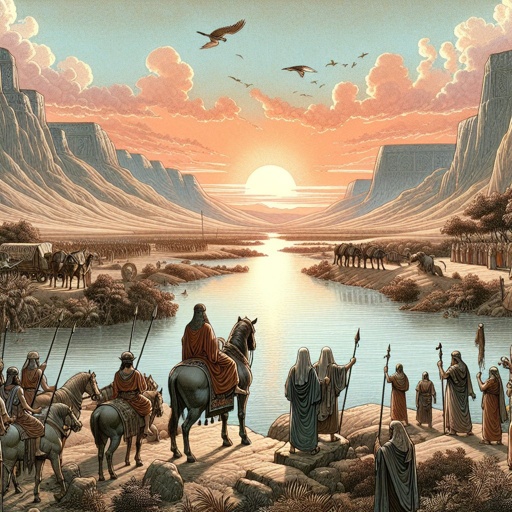
Genesis 36:37 - "And Samlah died, and Saul of Rehoboth by the river reigned in his stead."

Genesis 36:33 - "And Bela died, and Jobab the son of Zerah of Bozrah reigned in his stead."

Genesis 36:38 - "And Saul died, and Baal-hanan the son of Achbor reigned in his stead."

Genesis 36:21 - "And Dishon, and Ezer, and Dishan: these are the dukes of the Horites, the children of Seir in the land of Edom."

Genesis 36:32 - "And Bela the son of Beor reigned in Edom: and the name of his city was Dinhabah."

"The children of Dishan are these; Uz, and Aran." - Genesis 36:28

Genesis 37:36 - "And the Midianites sold him into Egypt unto Potiphar, an officer of Pharaoh's, and captain of the guard."

Genesis 36:20 - "¶ These are the sons of Seir the Horite, who inhabited the land; Lotan, and Shobal, and Zibeon, and Anah,"