Legacy of Dukes: Reflecting on Our Heritage in Christ
“And these are the sons of Reuel Esau’s son; duke Nahath, duke Zerah, duke Shammah, duke Mizzah: these are the dukes that came of Reuel in the land of Edom; these are the sons of Bashemath Esau’s wife.” — Genesis 36:17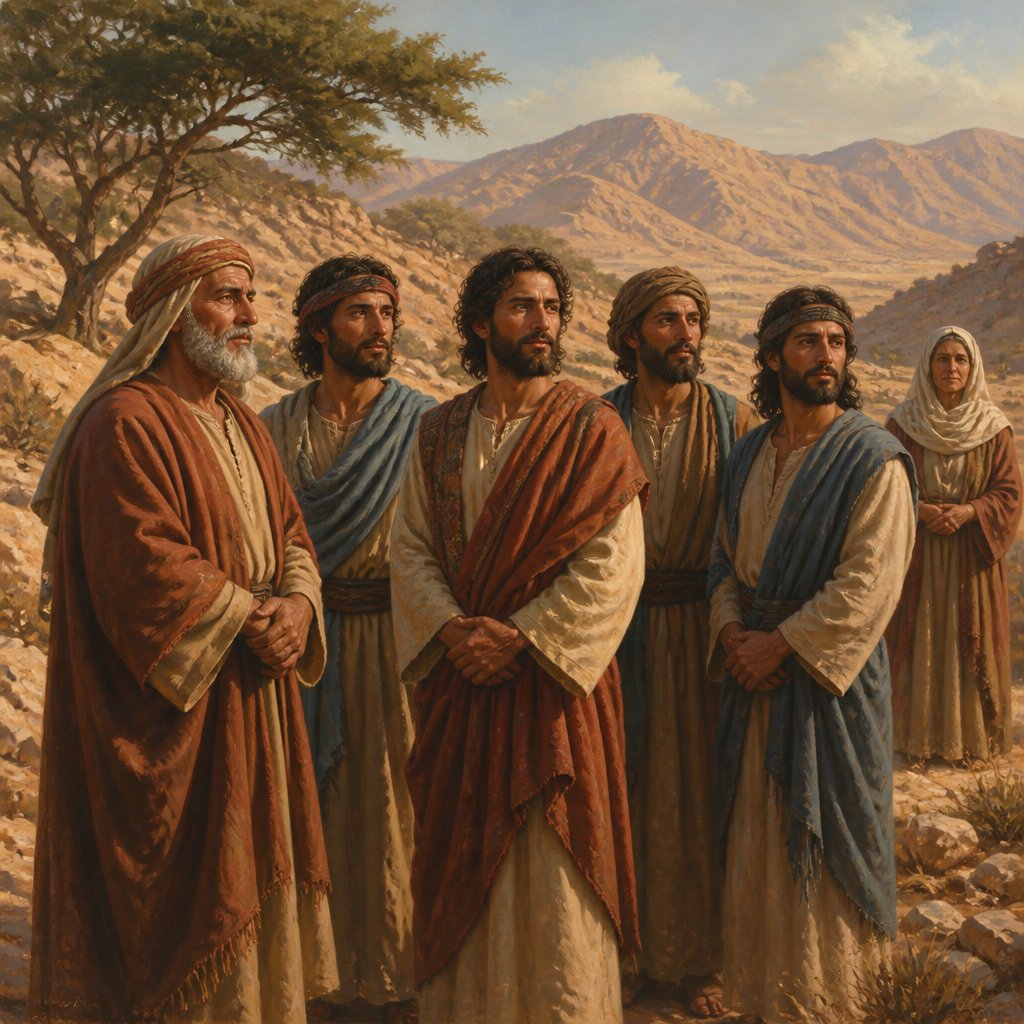
In Genesis 36:17, we read, "And these are the sons of Reuel Esau's son; duke Nahath, duke Zerah, duke Shammah, duke Mizzah: these are the dukes that came of Reuel in the land of Edom; these are the sons of Bashemath Esau's wife." At first glance, this verse may seem like a mere listing of names and titles, an entry in the expansive genealogies of the Old Testament. However, when we pause and reflect on the significance contained within this verse, we can glean rich truths about our spiritual legacy, identity, and the call to live as heirs of God's promises.
The genealogies that populate the Scriptures serve a few essential purposes. They remind us that we are part of an interconnected narrative that spans generations, cultures, and, ultimately, the entire world. In this lineage, Reuel's sons are prominent figures; they are dukes in a land that has been shaped by the ancestry and decisions made by Esau and his descendants. Each name is not just a title but a representation of responsibility, influence, and authority in the land of Edom.
In considering the names listed – Nahath, Zerah, Shammah, Mizzah – we see a variety of destinies encapsulated in each donship. Each duke holds a unique role in leadership. They point to the fact that our calling as believers is as distinct as their titles lifted them. In Christ, we too, have been called to reign and to take responsibility in the realms God has placed us in. Revelation 1:6 tells us, "And hath made us kings and priests unto God and his Father; to him be glory and dominion for ever and ever. Amen." Just as these dukes took their place in the hierarchy of leadership, we are called to step into our God-ordained roles in His Kingdom.
The verse serves as a reminder of our family heritage in Christ. We are descendants of a new covenant, marked by the blood of Jesus, who came to fulfill the law and establish His grace. Each believer today forms part of a royal priesthood (1 Peter 2:9). The title of 'duke' might not directly apply to our modern understanding of leadership, yet we are heirs of a greater throne. Thus, reflecting on our spiritual lineage reminds us of who we are and the power we carry.
Furthermore, we cannot overlook the mention of Bashemath, Esau's wife. The inclusion of these relationships in this lineage speaks to the intricacies of our stories – the partnerships, unions, and communities that shape our identities and influence the future generations. Each bond and union can have lasting implications for both our personal lives and the wider body of Christ. In community, we find strength and the ability to reflect the true nature of God, who is ultimately relational in His essence.
As we embrace the implications of this verse, let us also consider how we are writing our own legacy. What are we passing on to the next generation? How will our lives, marked by the grace and the mercy of God, influence those who come after? Like the dukes of Reuel, may we inherit and steward our God-given titles with wisdom and integrity.
Praying over these reflections, we can lift our hearts to God, asking Him to help us understand our identity in the Kingdom. We might pray, "Lord, help me to recognize my role in Your family. Just as Reuel's sons carried titles of dukes, help me to step into my identity as Your beloved child. Empower me by Your Spirit to fulfill my responsibilities and to leave a legacy of faith for generations to come. Use me as an instrument of Your love and grace. Amen."
In conclusion, Genesis 36:17 offers us not just a historical record but a profound reminder of our identity and calling. As we reflect on the lives of those who came before us, let us commit ourselves to living out our faith boldly, understanding the weight and glory of our heritage in Christ.
Get our apps


Artwork for Genesis 36:17

Genesis 36:17 - "¶ And these are the sons of Reuel Esau's son; duke Nahath, duke Zerah, duke Shammah, duke Mizzah: these are the dukes that came of Reuel in the land of Edom; these are the sons of Bashemath Esau's wife."
"¶ And these are the sons of Reuel Esau's son; duke Nahath, duke Zerah, duke Shammah, duke Mizzah: these are the dukes that came of Reuel in the land of Edom; these are the sons of Bashemath Esau's wife." - Genesis 36:17

Genesis 36:36 - "And Hadad died, and Samlah of Masrekah reigned in his stead."

Genesis 24:36

Genesis 19-36

Genesis 36:28 - "The children of Dishan are these; Uz, and Aran."

"And Hadad died, and Samlah of Masrekah reigned in his stead." - Genesis 36:36

Genesis 36:27 - "The children of Ezer are these; Bilhan, and Zaavan, and Akan."

Genesis 36:19 - "These are the sons of Esau, who is Edom, and these are their dukes."

Genesis 36:3 - "And Bashemath Ishmael's daughter, sister of Nebajoth."

Genesis 36:1 - "Now these are the generations of Esau, who is Edom."

Genesis 36:26 - "And these are the children of Dishon; Hemdan, and Eshban, and Ithran, and Cheran."

Genesis 36:42 - "Duke Kenaz, duke Teman, duke Mibzar,"

Genesis 36:9 - "¶ And these are the generations of Esau the father of the Edomites in mount Seir:"

Genesis 36:41 - "Duke Aholibamah, duke Elah, duke Pinon,"

Genesis 19:36 - "Thus were both the daughters of Lot with child by their father."

Genesis 36:8 - "Thus dwelt Esau in mount Seir: Esau is Edom."

Genesis 36:25 - "And the children of Anah were these; Dishon, and Aholibamah the daughter of Anah."

Genesis 36:4 - "And Adah bare to Esau Eliphaz; and Bashemath bare Reuel;"

Genesis 36:11 - "And the sons of Eliphaz were Teman, Omar, Zepho, and Gatam, and Kenaz."

Genesis 36:23 - "And the children of Shobal were these; Alvan, and Manahath, and Ebal, Shepho, and Onam."

Genesis 36:34 - "And Jobab died, and Husham of the land of Temani reigned in his stead."

Genesis 36:22 - "And the children of Lotan were Hori and Hemam; and Lotan's sister was Timna."
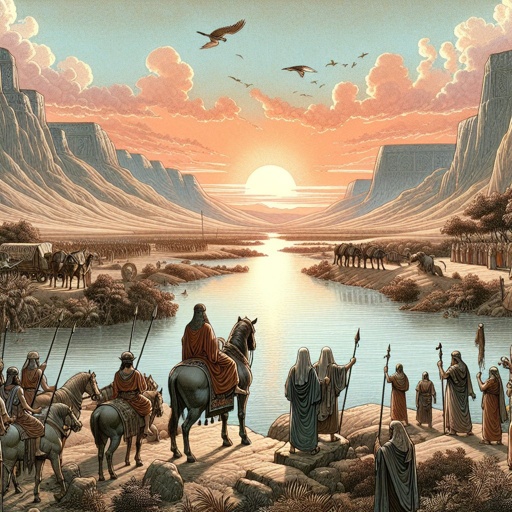
Genesis 36:37 - "And Samlah died, and Saul of Rehoboth by the river reigned in his stead."

Genesis 36:33 - "And Bela died, and Jobab the son of Zerah of Bozrah reigned in his stead."

Genesis 36:38 - "And Saul died, and Baal-hanan the son of Achbor reigned in his stead."

Genesis 17-17

Luke 17:36 - "Two men shall be in the field; the one shall be taken, and the other left."

Genesis 36:21 - "And Dishon, and Ezer, and Dishan: these are the dukes of the Horites, the children of Seir in the land of Edom."

Genesis 36:32 - "And Bela the son of Beor reigned in Edom: and the name of his city was Dinhabah."