Finding Purpose in the Wilderness: The Legacy of Anah
“And these are the children of Zibeon; both Ajah, and Anah: this was that Anah that found the mules in the wilderness, as he fed the asses of Zibeon his father.” — Genesis 36:24
Genesis 36:24 states, "And these are the children of Zibeon; both Ajah, and Anah: this was that Anah that found the mules in the wilderness, as he fed the asses of Zibeon his father." This verse, though brief and seemingly inconsequential when placed against the grand narrative of Scripture, offers profound insight into how God can use humble acts and ordinary places to fulfill His purposes.
At first glance, the mention of Anah finding mules in the wilderness does not seem to carry great weight in the overarching story of the Bible. However, within this simple narrative lies a deeper reflection on life's journey and the providence of God. Wilderness, in many biblical contexts, is a place of testing, solitude, and divine encounter. It is where many biblical figures such as Moses and David experienced formative moments that shaped their destinies. In a similar vein, Anah's experience demonstrates how God often reveals His purpose in less obvious places.
Wilderness is also symbolic of our life’s struggles. Just like Anah, many of us spend time in our own metaphorical wildernesses, feeling lost, searching for direction or meaning. However, it is often in these challenging seasons that we have the potential to discover something valuable—like Anah discovered the mules that were likely seen as mere beasts of burden. Here, mules may symbolize something much greater; they can represent the essential yet unnoticed contributions we can make, even in the rough terrains of our lives.
Consider for a moment the significance of Anah's role as a caretaker of his father's livestock. This responsibility speaks to the overlooked and often undervalued roles that many play in their families, communities, and workplaces. Feeding the asses of Zibeon, Anah was fulfilling a necessary and humble duty—one that required attention and care. Anah was not in a prominent position; rather, he was working with the least glamorous of tasks under the hot sun of the wilderness. However, it was precisely in this context that God would later highlight his legacy.
What does it mean for us today? We are called to reflect on our own lives and the tasks we perform—be they grand or humble. Sometimes, we may feel that our contributions go unnoticed and that we labor in obscurity. Yet, the story of Anah reminds us that God sees our efforts and is capable of bringing forth significance from our seemingly mundane activities. Maybe you are a stay-at-home parent, a diligent worker, or an unsung volunteer. Know that your efforts in the wilderness of life don’t go unnoticed. They are essential threads in the grand tapestry of God’s creation.
Furthermore, let’s consider the characteristics of mules—sturdy, hardworking, often seen carrying burdens. In finding the mules, Anah's discovery can serve as a metaphor for finding strength in our duties, however trivial they may seem. In our own wilderness, the challenges we face may lead us to valuable truths about ourselves and about God. We learn resilience, patience, and dependence on God’s provision to guide us through.
We also learn that our experiences, much like Anah's, define our legacy. The Bible recounts Anah's name through the generations. You might be asking, "What will people remember about me?" The answer often lies in how faithfully we carry out our responsibilities, how we treat others, and the legacy we leave through our simple acts of kindness and diligence.
Thus, as we reflect on Genesis 36:24, let it encourage us to understand that even the most humble beginnings can lead to divine purposes. God is always at work in our wilderness—often preparing us for greater things ahead. Each of us has a place in His plan, no matter how obscure it may appear. As we fulfill our daily responsibilities, let us do so with grace, knowing that we’re participating in a much larger narrative—one that can have eternal significance and impact on those around us.
Get our apps


Artwork for Genesis 36:24

Genesis 36:24 - "And these are the children of Zibeon; both Ajah, and Anah: this was that Anah that found the mules in the wilderness, as he fed the asses of Zibeon his father."

"And these are the children of Zibeon; both Ajah, and Anah: this was that Anah that found the mules in the wilderness, as he fed the asses of Zibeon his father." - Genesis 36:24

Genesis 24:36

Genesis 24:36 - "And Sarah my master's wife bare a son to my master when she was old: and unto him hath he given all that he hath."

Genesis 36:36 - "And Hadad died, and Samlah of Masrekah reigned in his stead."

Genesis 19-36

Genesis 36:28 - "The children of Dishan are these; Uz, and Aran."

"And Hadad died, and Samlah of Masrekah reigned in his stead." - Genesis 36:36

Genesis 36:27 - "The children of Ezer are these; Bilhan, and Zaavan, and Akan."

Genesis 36:3 - "And Bashemath Ishmael's daughter, sister of Nebajoth."

Genesis 36:19 - "These are the sons of Esau, who is Edom, and these are their dukes."

Genesis 36:1 - "Now these are the generations of Esau, who is Edom."

Genesis 24:24

Job 36:24 - "Remember that thou magnify his work, which men behold."

Genesis 36:26 - "And these are the children of Dishon; Hemdan, and Eshban, and Ithran, and Cheran."

Genesis 36:42 - "Duke Kenaz, duke Teman, duke Mibzar,"

Genesis 36:9 - "¶ And these are the generations of Esau the father of the Edomites in mount Seir:"

Genesis 36:41 - "Duke Aholibamah, duke Elah, duke Pinon,"

Matthew 24:36 - "¶ But of that day and hour knoweth no man, no, not the angels of heaven, but my Father only."

Genesis 36:8 - "Thus dwelt Esau in mount Seir: Esau is Edom."

Genesis 19:36 - "Thus were both the daughters of Lot with child by their father."

Genesis 36:25 - "And the children of Anah were these; Dishon, and Aholibamah the daughter of Anah."

Genesis 36:4 - "And Adah bare to Esau Eliphaz; and Bashemath bare Reuel;"

Genesis 36:11 - "And the sons of Eliphaz were Teman, Omar, Zepho, and Gatam, and Kenaz."

Genesis 36:23 - "And the children of Shobal were these; Alvan, and Manahath, and Ebal, Shepho, and Onam."

Genesis 36:34 - "And Jobab died, and Husham of the land of Temani reigned in his stead."

Genesis 36:22 - "And the children of Lotan were Hori and Hemam; and Lotan's sister was Timna."
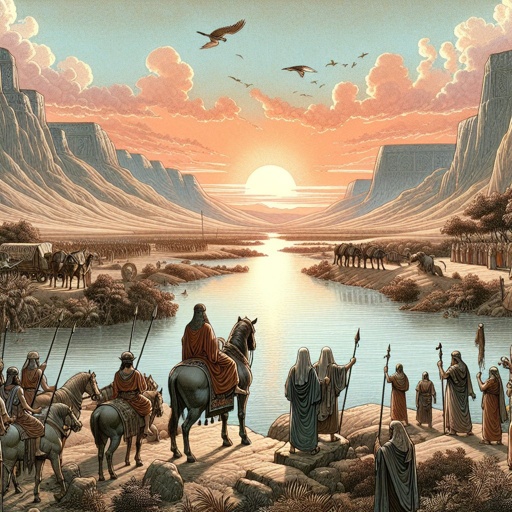
Genesis 36:37 - "And Samlah died, and Saul of Rehoboth by the river reigned in his stead."
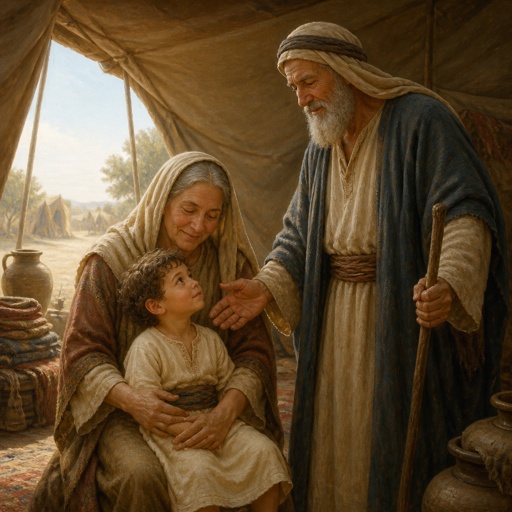
"And Sarah my master's wife bare a son to my master when she was old: and unto him hath he given all that he hath." - Genesis 24:36

Genesis 36:33 - "And Bela died, and Jobab the son of Zerah of Bozrah reigned in his stead."