The Legacy of Dishon: Uncovering Hidden Blessings
“And these are the children of Dishon; Hemdan, and Eshban, and Ithran, and Cheran.” — Genesis 36:26
In the tapestry of Scripture, even the genealogies often tell a story of divine grace, purpose, and human struggle. Genesis 36:26 states, "And these are the children of Dishon; Hemdan, and Eshban, and Ithran, and Cheran." At first glance, this verse reads like a simple genealogical record, a list of names that might seem obscure and disconnected from the grand narrative of faith. However, upon deeper reflection, we can extract profound lessons that speak to our lives today.
Dishon was a descendant of Esau, whose story is infused with themes of division, reconciliation, and the complexities of family relationships. The mention of Dishon and his children serves as a reminder that every family carries a legacy, often filled with both challenges and blessings. It's easy to gloss over the less prominent characters in the Bible, but doing so risks missing out on what their lives can teach us.
### Understanding Our Roots
The lineage of Dishon, comprising Hemdan, Eshban, Ithran, and Cheran, represents not just names but the unique identities that each individual carries. Each child of Dishon contributes to the heritage of a people and denotes the multifaceted nature of humanity that God designed. This teaches us an important principle: we are all part of lineages that shape us.
In our own lives, we carry the legacies of our families. Some may have rich histories of faithfulness; others may bear the weight of brokenness and hardship. Regardless of our background, there is an invitation to seek understanding and to find our identity rooted in something greater than our ancestry. We can take heart that, like the children of Dishon, we have the opportunity to forge our own paths, influenced yet not defined by those who came before us.
### The Significance of Names
Each name in this verse encapsulates stories, strengths, and possibilities. As we meditate on the names of Hemdan, Eshban, Ithran, and Cheran, we can ponder the meaning behind them and what it means to leave a legacy for future generations. Each name represents an individual life, just like our names reflect our unique identity and calling in Christ. We, too, are called to do something impactful, to be used by God in our contexts, even when we feel insignificant.
In a world that often prioritizes big moments and public achievements, this verse quietly insists that every individual matters and has a place in God’s grand design. Paul reminds us in 1 Corinthians 12:14 that, "For the body is not one member, but many." Each of us, no matter how unnamed or unrecognized, plays a crucial part in the body of Christ.
### Embracing the Divine Plan
Furthermore, this verse whispers to us about God’s intricate plans and purposes. Nothing in Scripture is placed there without intent, and even genealogies have their role to play in the unfolding story of redemption. Each name has significance in God’s greater narrative. As we read these names, we’re reminded of God’s sovereignty in using families, whether flawed or favored, to fulfill His purpose.
We must ask ourselves: How do we embrace our roles in this story? Are we willing to acknowledge the areas where we struggle and seek growth and healing? The legacy we create can echo through generations. It’s the choices we make far beyond what is recorded that truly reflect our faith and impact.
### Conclusion: A Call to Legacy
In conclusion, ‘The Legacy of Dishon’ invites us to embrace our identities, recognize the legacy we inherit, and consider how we will contribute to others’ legacies. As we navigate our lives, let us remember that every name in the family of God is precious and that our stories—just like those of Dishon’s children—have the potential to glorify God and impact the lives of others in ways we might not see.
May we lean into our heritage, seek to elevate our calling, and live out a legacy that points others to the love and grace of Jesus Christ.
Get our apps


Artwork for Genesis 36:26

Genesis 36:26 - "And these are the children of Dishon; Hemdan, and Eshban, and Ithran, and Cheran."

"And these are the children of Dishon; Hemdan, and Eshban, and Ithran, and Cheran." - Genesis 36:26

Genesis 36:36 - "And Hadad died, and Samlah of Masrekah reigned in his stead."
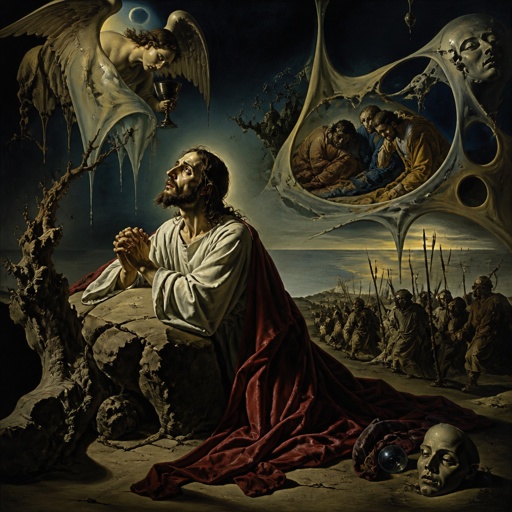
Matthew 26:36-46

Genesis 24:36

Numbers 26:36 - "And these are the sons of Shuthelah: of Eran, the family of the Eranites."

Genesis 19-36

Genesis 36:28 - "The children of Dishan are these; Uz, and Aran."

"And Hadad died, and Samlah of Masrekah reigned in his stead." - Genesis 36:36

Genesis 36:27 - "The children of Ezer are these; Bilhan, and Zaavan, and Akan."

"A new heart also will I give you, and a new spirit will I put within you: and I will take away the stony heart out of your flesh, and I will give you an heart of flesh." - Ezekiel 36:26

Genesis 36:19 - "These are the sons of Esau, who is Edom, and these are their dukes."

Genesis 36:3 - "And Bashemath Ishmael's daughter, sister of Nebajoth."

Genesis 36:1 - "Now these are the generations of Esau, who is Edom."

Genesis 36:42 - "Duke Kenaz, duke Teman, duke Mibzar,"

Genesis 36:9 - "¶ And these are the generations of Esau the father of the Edomites in mount Seir:"

Genesis 36:41 - "Duke Aholibamah, duke Elah, duke Pinon,"

Genesis 19:36 - "Thus were both the daughters of Lot with child by their father."

Genesis 36:8 - "Thus dwelt Esau in mount Seir: Esau is Edom."

Genesis 1:26

Genesis 1:26

Genesis 1:26

Genesis 36:25 - "And the children of Anah were these; Dishon, and Aholibamah the daughter of Anah."

Genesis 36:4 - "And Adah bare to Esau Eliphaz; and Bashemath bare Reuel;"

"And these are the sons of Shuthelah: of Eran, the family of the Eranites." - Numbers 26:36

Genesis 36:11 - "And the sons of Eliphaz were Teman, Omar, Zepho, and Gatam, and Kenaz."

Genesis 1:26

Genesis 36:23 - "And the children of Shobal were these; Alvan, and Manahath, and Ebal, Shepho, and Onam."

Genesis 36:34 - "And Jobab died, and Husham of the land of Temani reigned in his stead."

Genesis 36:22 - "And the children of Lotan were Hori and Hemam; and Lotan's sister was Timna."