The Legacy of Leadership: Lessons from Jobab's Reign
“And Bela died, and Jobab the son of Zerah of Bozrah reigned in his stead.” — Genesis 36:33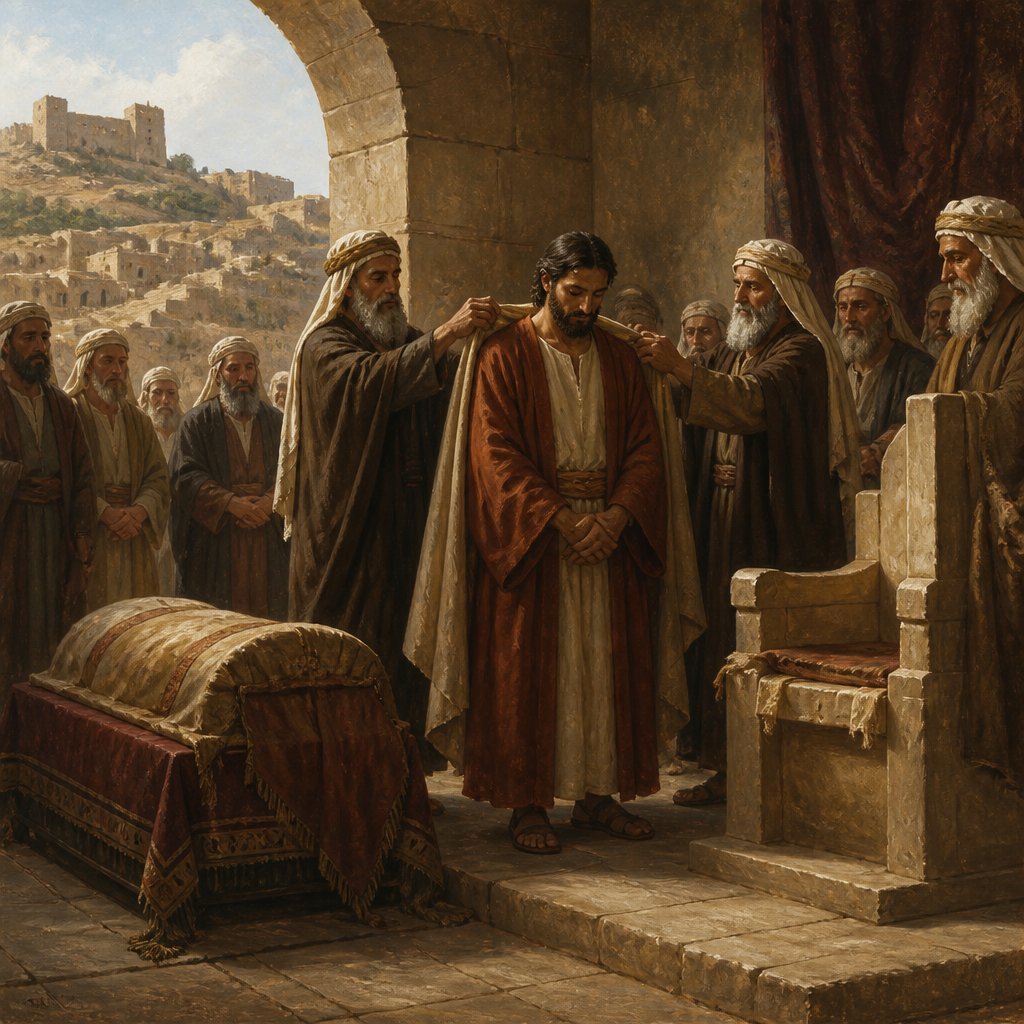
As we delve into the genealogies and histories presented in the book of Genesis, we often encounter verses that might seem mundane or unimportant at first glance. One such verse is Genesis 36:33, which states, "And Bela died, and Jobab the son of Zerah of Bozrah reigned in his stead." At first, this verse appears to be an account of succession, but within its brevity lies a profound lesson about leadership, legacy, and the divine orchestration of our lives.
Bela’s death marks a significant transition—a moment when one leader passes on the mantle to another. In many ways, Bela embodies the frailty of humanity; despite holding a position of power, he ultimately succumbed to the fate that awaits all men. Each of us is finite and transient, regardless of the titles we carry or the power we wield. This reality urges us to consider how we use our time, talents, and influence.
Jobab, the son of Zerah from Bozrah, steps into this role, highlighting the continuity of leadership that is essential in any community or organization. His name, which means 'the one who turns', implies a transformational purpose; he is not merely filling a role but rather has the potential to bring about change and direction in the wake of Bela’s reign. As believers, we are all called to be leaders in various capacities—in our families, workplaces, and communities. It’s essential to remember that true leadership is not about titles but about influence and responsibility.
When we consider Jobab's rise to leadership, we are compelled to think about what defines good leadership in our own lives. Are we leading with integrity, listening to the needs of those we influence, and seeking God’s guidance in our decisions? Proverbs 16:9 assures us that "A man's heart deviseth his way: but the Lord directeth his steps." This scripture emphasizes the importance of divine guidance in our leadership journey. Jobab's reign may not be filled with elaborate narratives in the Bible, but it is his reaction to God’s plans and purpose that can inspire us.
As we reflect on this verse, it is also significant to consider the geographical context of the leadership transition. Bozrah, known as a place of strength and a significant city within Edom, represents a stronghold of authority and influence. Jobab must have faced formidable challenges in assuming leadership—how did he prepare himself to reign in such a critical place? In our own lives, we too must prepare ourselves to lead, whether that means developing skills, fostering relationships, or deepening our understanding of God’s word. Ephesians 4:12 reminds us that we are to equip one another for works of service, building up the body of Christ. This preparation nurtures resilience and wisdom, both of which are vital in facing the adversities that come with leadership.
Moreover, Jobab’s ascension invites us to consider the legacy we leave behind. Bela's story might be over, but his influence continues through Jobab and those who succeed him. It prompts us to evaluate what kind of legacy we are crafting. Will we be remembered as leaders who recognized the importance of service and humility? Or will we be known for pride and self-interest? As the world watches us—our families, friends, and community—let us remember that our actions echo in eternity.
In conclusion, Genesis 36:33 serves as a poignant reminder of the cycles of life and leadership. It implores us to embrace our roles, prepare diligently for them, and lead by example. As we step into our respective authorities, let us do so with the understanding that our reigns, like Jobab’s, can herald transformation, direction, and inspiration for those who come after us. Let us seek to leave a legacy that honors God, uplifts others, and transforms the places we inhabit. Amen.
Get our apps


Artwork for Genesis 36:33

Genesis 36:33 - "And Bela died, and Jobab the son of Zerah of Bozrah reigned in his stead."
"And Bela died, and Jobab the son of Zerah of Bozrah reigned in his stead." - Genesis 36:33

Romana 11:33-36

Job 36:33 - "The noise thereof sheweth concerning it, the cattle also concerning the vapour."

Genesis 36:36 - "And Hadad died, and Samlah of Masrekah reigned in his stead."

Numbers 33:36 - "And they removed from Ezion-gaber, and pitched in the wilderness of Zin, which is Kadesh."

Genesis 24:36

Genesis 19-36

Exodus 36:33 - "And he made the middle bar to shoot through the boards from the one end to the other."

Genesis 19-33

Genesis 21-33

Genesis 18-33

Genesis 24-33

Genesis 25-33

Genesis 36:28 - "The children of Dishan are these; Uz, and Aran."

"And Hadad died, and Samlah of Masrekah reigned in his stead." - Genesis 36:36

Genesis 36:27 - "The children of Ezer are these; Bilhan, and Zaavan, and Akan."

Genesis 36:19 - "These are the sons of Esau, who is Edom, and these are their dukes."

Genesis 36:3 - "And Bashemath Ishmael's daughter, sister of Nebajoth."

Genesis 36:1 - "Now these are the generations of Esau, who is Edom."

Genesis 36:26 - "And these are the children of Dishon; Hemdan, and Eshban, and Ithran, and Cheran."

Genesis 36:42 - "Duke Kenaz, duke Teman, duke Mibzar,"

Genesis 36:9 - "¶ And these are the generations of Esau the father of the Edomites in mount Seir:"

Genesis 36:41 - "Duke Aholibamah, duke Elah, duke Pinon,"

Genesis 19:36 - "Thus were both the daughters of Lot with child by their father."

Genesis 36:8 - "Thus dwelt Esau in mount Seir: Esau is Edom."

Genesis 36:25 - "And the children of Anah were these; Dishon, and Aholibamah the daughter of Anah."

Genesis 36:4 - "And Adah bare to Esau Eliphaz; and Bashemath bare Reuel;"
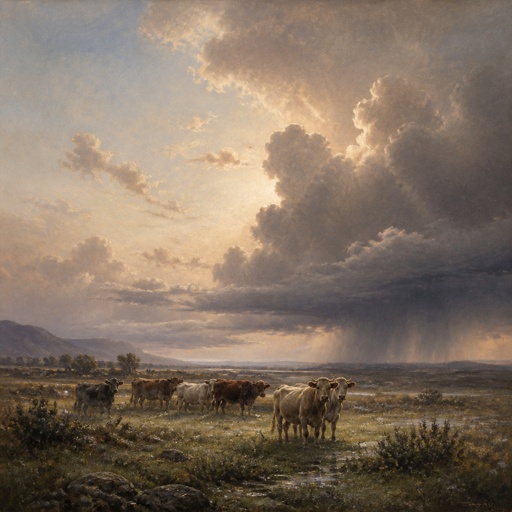
"The noise thereof sheweth concerning it, the cattle also concerning the vapour." - Job 36:33

Genesis 36:11 - "And the sons of Eliphaz were Teman, Omar, Zepho, and Gatam, and Kenaz."