The Legacy of Esau: Lessons from Aholibamah's Sons
“And Aholibamah bare Jeush, and Jaalam, and Korah: these are the sons of Esau, which were born unto him in the land of Canaan.” — Genesis 36:5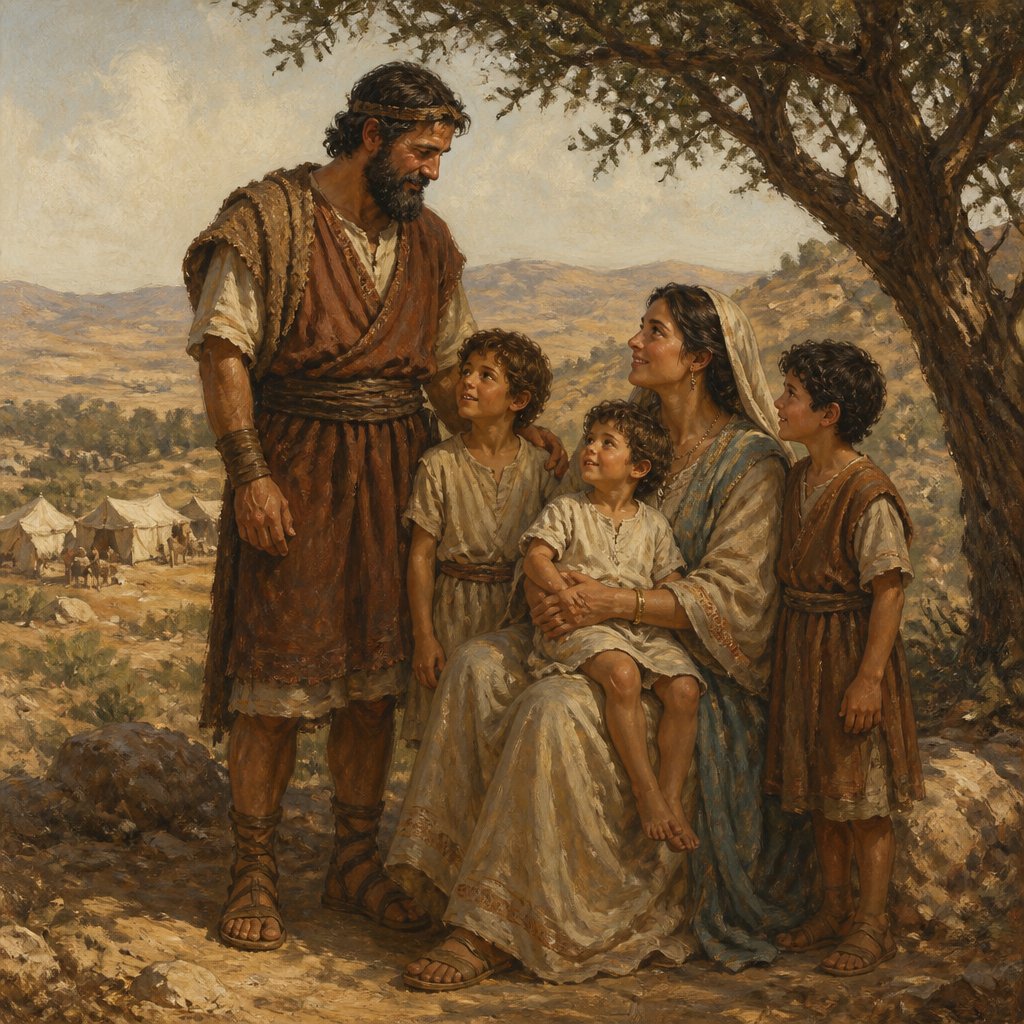
In Genesis 36:5, we find a genealogical record that at first glance might seem mundane or even unimportant. The verse states, "And Aholibamah bare Jeush, and Jaalam, and Korah: these are the sons of Esau, which were born unto him in the land of Canaan" (KJV). Yet, as we delve deeper into this passage, it unveils profound truths about legacy, family, and divine purpose that are pivotal to our understanding of God's broader narrative.
Esau, the older brother of Jacob, is often remembered for selling his birthright for a bowl of stew (Genesis 25:29-34) and for his tumultuous relationship with his brother. However, as we peer into the lineage of Esau, we see that despite his missteps, he was also a father, a man of significance who had a role in God’s plan through his descendants.
The names mentioned in this verse—Jeush, Jaalam, and Korah—are not just random figures. They symbolize a legacy of strength and complexity. Each name carries with it a story, an identity, and a unique contribution to the unfolding plan of God. Jeush means “he will be restored,” Jaalam means “the hidden one,” and Korah means “bald.” These names carry significant meanings that can provoke reflection on our identities and how we perceive ourselves in the tapestry of God's creation.
**Reflection on Legacy**
As we reflect on Esau’s legacy through his children, we must consider the question: What kind of legacy are we creating? In a world that often values the immediate and the fleeting, our legacy is forged through our relationships and the impact we have on others. Just as Esau's lineage continued beyond him, our actions today can influence future generations.
Aholibamah, Esau's wife, bore these children amidst the challenges faced by her family. This highlights a powerful truth about life—often, our greatest contributions come in times of struggle. Her faithfulness in bearing children during imperfect circumstances sets an example for us. In our lives, how often do we find ourselves navigating challenges? Are we willing to bear the fruit of love and service regardless of the difficulties we face?
As Christians, we are similarly called to labor in the Lord, to sow seeds of faith, kindness, and righteousness despite our circumstances. Like Aholibamah, we have the potential to influence our families and communities. Each of us is crafting a legacy, like it or not, it could be synonymous with sacrifices made for love or choices driven by fear.
**Understanding Divine Purpose**
Moreover, Genesis 36:5 leads us into an understanding of divine purpose. While Esau's story is often overshadowed by Jacob's covenant with God, it is essential to remember that Esau and his offspring also played an important role in the history of God’s people. His lineage eventually populated areas known as Edom, demonstrating that God’s promise and purpose extend beyond any one person or tribe. God can weave even the tangles of our lives into a beautiful tapestry for His glory.
**A Call to Trust**
In our own journey, we might sometimes feel overlooked or overshadowed—much like Esau felt in the light of Jacob's covenant. However, this verse reminds us that we all have a role to play in God's story, even when it does not seem prominent. It reassures us that our family, our relationships, and our influence are significant parts of that narrative.
Hence, let us recommit ourselves to live intentionally and purposefully. May we embrace what we were called to do, trusting that even when faced with life's challenges, God can still use our efforts to nurture a legacy of faith. Let us bear fruits that will last, impacting generations to come, all for His glory. As we meditate on Genesis 36:5, may we be inspired to cultivate the best within our families and communities, ensuring that our legacy mirrors the love of God and His divine plans.
Get our apps


Artwork for Genesis 36:5

Genesis 36:5 - "And Aholibamah bare Jeush, and Jaalam, and Korah: these are the sons of Esau, which were born unto him in the land of Canaan."
"And Aholibamah bare Jeush, and Jaalam, and Korah: these are the sons of Esau, which were born unto him in the land of Canaan." - Genesis 36:5

Genesis 36:36 - "And Hadad died, and Samlah of Masrekah reigned in his stead."

Genesis 24:36

Genesis 19-36

Genesis 36:28 - "The children of Dishan are these; Uz, and Aran."

"And Hadad died, and Samlah of Masrekah reigned in his stead." - Genesis 36:36

Luke 5:36

Genesis 36:27 - "The children of Ezer are these; Bilhan, and Zaavan, and Akan."

Genesis 36:19 - "These are the sons of Esau, who is Edom, and these are their dukes."

Genesis 36:3 - "And Bashemath Ishmael's daughter, sister of Nebajoth."

Genesis 36:1 - "Now these are the generations of Esau, who is Edom."

Genesis 36:26 - "And these are the children of Dishon; Hemdan, and Eshban, and Ithran, and Cheran."

Genesis 36:42 - "Duke Kenaz, duke Teman, duke Mibzar,"

Genesis 36:9 - "¶ And these are the generations of Esau the father of the Edomites in mount Seir:"

Genesis 36:41 - "Duke Aholibamah, duke Elah, duke Pinon,"

Genesis 19:36 - "Thus were both the daughters of Lot with child by their father."

Genesis 36:8 - "Thus dwelt Esau in mount Seir: Esau is Edom."

Genesis 36:25 - "And the children of Anah were these; Dishon, and Aholibamah the daughter of Anah."

Genesis 36:4 - "And Adah bare to Esau Eliphaz; and Bashemath bare Reuel;"

Genesis 36:11 - "And the sons of Eliphaz were Teman, Omar, Zepho, and Gatam, and Kenaz."

Genesis 36:23 - "And the children of Shobal were these; Alvan, and Manahath, and Ebal, Shepho, and Onam."

Genesis 36:34 - "And Jobab died, and Husham of the land of Temani reigned in his stead."

Genesis 36:22 - "And the children of Lotan were Hori and Hemam; and Lotan's sister was Timna."
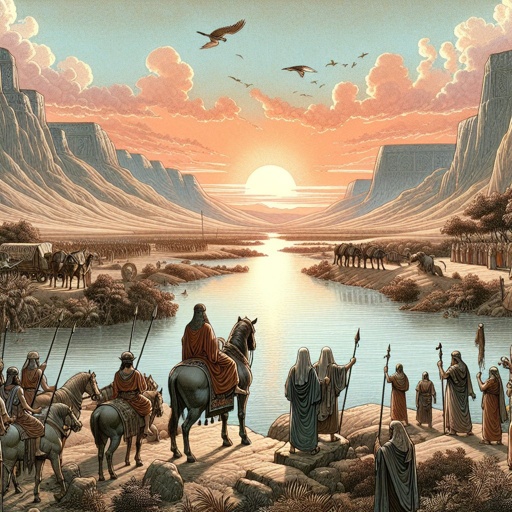
Genesis 36:37 - "And Samlah died, and Saul of Rehoboth by the river reigned in his stead."

Genesis 36:33 - "And Bela died, and Jobab the son of Zerah of Bozrah reigned in his stead."

Genesis 36:38 - "And Saul died, and Baal-hanan the son of Achbor reigned in his stead."

Genesis 36:21 - "And Dishon, and Ezer, and Dishan: these are the dukes of the Horites, the children of Seir in the land of Edom."

Genesis 36:32 - "And Bela the son of Beor reigned in Edom: and the name of his city was Dinhabah."

"The children of Dishan are these; Uz, and Aran." - Genesis 36:28