The Gift of Forgetting: Embracing New Beginnings in Christ
“And Joseph called the name of the firstborn Manasseh: For God, said he, hath made me forget all my toil, and all my father’s house.” — Genesis 41:51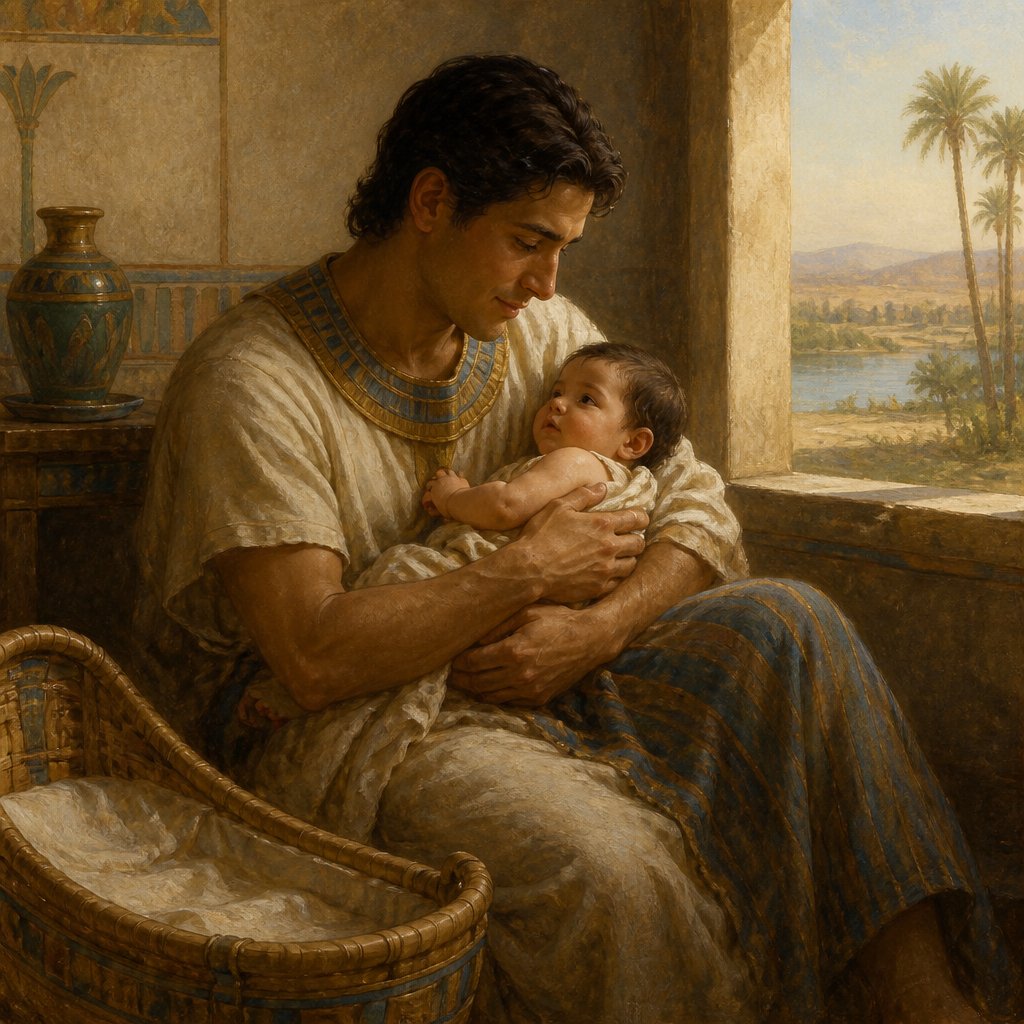
In Genesis 41:51 (KJV), we come across a moment of profound transformation in the life of Joseph: "And Joseph called the name of the firstborn Manasseh: For God, said he, hath made me forget all my toil, and all my father's house." This passage opens a window into the heart of a man who experienced unimaginable trials and yet, through the grace of God, found solace and new beginnings in his life.
Joseph's journey is one of extreme contrasts. From being favored by his father Jacob to being sold into slavery by his brothers, to rising up in Egypt under Pharaoh's reign, his life captures the story of suffering, betrayal, and ultimately redemption. Despite the depths of despair he faced, he remained faithful to God and resilient in the face of adversity.
The name "Manasseh" signifies "causing to forget," which is a beautiful metaphor for what God achieved in Joseph's life. It highlights a divine intervention that helped Joseph move beyond his past. In naming his firstborn this way, Joseph acknowledges a significant transition; he recognized that God had allowed him to forget the pain of rejection and the trauma of family betrayal. It is a powerful reminder that the God we serve is a God of healing and new beginnings.
When Joseph spoke of forgetting "all my toil," he was not merely dismissing the hardships he endured. Rather, he acknowledged how those experiences shaped him, yet he chose not to be defined by them. Joseph’s toil was indicative of his struggle, the sweat and tears he shed as he persevered through life’s challenges. In contrast, the mention of his "father's house" brings forth the image of familial bonds that were fractured due to jealousy and strife.
By invoking the name of Manasseh, Joseph made a conscious choice to focus on the blessings he had received rather than the grievances of his past. This act of naming his son represents a spiritual milestone—a moment where he embraced the grace of forgetting and moved forward in faith. Rather than allowing bitterness and resentment to take root in his heart, Joseph channeled his energy into gratitude and faithfulness.
In our own lives, we often face moments where past pains overshadow present joys. Perhaps we hold tightly to memories of hurt, rejection, or loss, trapping ourselves in a cycle of anguish. Yet, Joseph’s testimony urges us to consider the possibilities of release and healing by embracing God’s ability to help us forget what burdens us. When we surrender our hearts to Christ, we are empowered to relinquish our pasts, thus paving the way for future growth and peace.
Moreover, God’s act of making Joseph forget is also an expression of His providence. God knew that for Joseph to fulfill His purpose, he could not carry the weights of his past into his future. He needed to learn the art of letting go. This resonates deeply in our Christian walk, where we are called to lay down our burdens before the cross and trust in God’s plans for us—plans for hope and a future (Jeremiah 29:11).
In conclusion, naming his firstborn Manasseh signifies that Joseph recognized God’s power to heal and transform his life. As we reflect on this truth, it challenges us to evaluate how we deal with our past. Are we allowing God to help us forget our toils and hurts so we can embrace the new beginnings He has in store? Let us ask ourselves, what Manasseh moments are we missing because we cling to memories that do not serve our journey? May we open our hearts to the liberating grace of God, allowing Him to free us from the snares of our former lives, so we too can step into the fullness of His purpose for us.
Let us pray: "Lord, help me to forget my past pains and embrace the new life You are providing for me. Teach me to trust Your plans and to let go of what I cannot change. I thank You for the gift of forgetting and for the fresh start that lies before me in Christ. Amen."
Get our apps


Artwork for Genesis 41:51

Genesis 41:51 - "And Joseph called the name of the firstborn Manasseh: For God, said he, hath made me forget all my toil, and all my father's house."
"And Joseph called the name of the firstborn Manasseh: For God, said he, hath made me forget all my toil, and all my father's house." - Genesis 41:51

Genesis 24-51

Jeremiah 51:41 - "How is Sheshach taken! and how is the praise of the whole earth surprised! how is Babylon become an astonishment among the nations!"

Genesis 41:41 and make pharaoh black

Genesis 24-41

Genesis 41:41-42 focus on signet ring

Genesis 41:41 - "And Pharaoh said unto Joseph, See, I have set thee over all the land of Egypt."

Genesis 41:47 - "And in the seven plenteous years the earth brought forth by handfuls."

Genesis 36:41 - "Duke Aholibamah, duke Elah, duke Pinon,"

Genesis 31:51 - "And Laban said to Jacob, Behold this heap, and behold this pillar, which I have cast betwixt me and thee;"

Genesis 41:53 - "¶ And the seven years of plenteousness, that was in the land of Egypt, were ended."

Genesis 41:37 - "¶ And the thing was good in the eyes of Pharaoh, and in the eyes of all his servants."

Genesis 24:51 - "Behold, Rebekah is before thee, take her, and go, and let her be thy master's son's wife, as the LORD hath spoken."
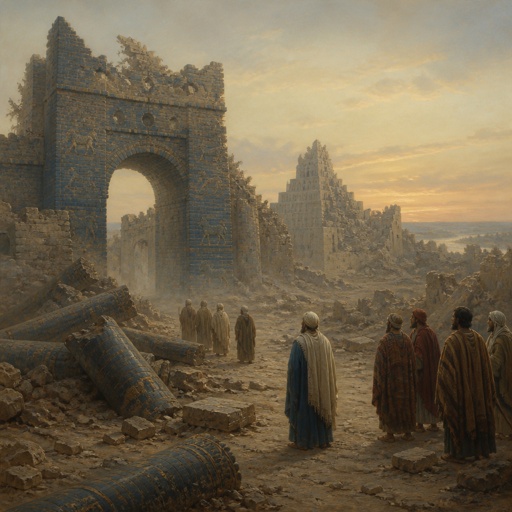
"How is Sheshach taken! and how is the praise of the whole earth surprised! how is Babylon become an astonishment among the nations!" - Jeremiah 51:41

Genesis 41:31 - "And the plenty shall not be known in the land by reason of that famine following; for it shall be very grievous."

Genesis 41:29 - "Behold, there come seven years of great plenty throughout all the land of Egypt:"

Genesis 41:6 - "And, behold, seven thin ears and blasted with the east wind sprung up after them."

Genesis 41:2 - "And, behold, there came up out of the river seven well favoured kine and fatfleshed; and they fed in a meadow."

Genesis 41:26 - "The seven good kine are seven years; and the seven good ears are seven years: the dream is one."

Genesis 41:23 - "And, behold, seven ears, withered, thin, and blasted with the east wind, sprung up after them:"

Genesis 41:20 - "And the lean and the ill favoured kine did eat up the first seven fat kine:"

Genesis 41:16 - "And Joseph answered Pharaoh, saying, It is not in me: God shall give Pharaoh an answer of peace."

Genesis 41:32 - "And for that the dream was doubled unto Pharaoh twice; it is because the thing is established by God, and God will shortly bring it to pass."

Genesis 41:52 - "And the name of the second called he Ephraim: For God hath caused me to be fruitful in the land of my affliction."

Genesis 41:22 - "And I saw in my dream, and, behold, seven ears came up in one stalk, full and good:"

Genesis 41:18 - "And, behold, there came up out of the river seven kine, fatfleshed and well favoured; and they fed in a meadow:"

Genesis 41:17 - "And Pharaoh said unto Joseph, In my dream, behold, I stood upon the bank of the river:"

Genesis 41:7 - "And the seven thin ears devoured the seven rank and full ears. And Pharaoh awoke, and, behold, it was a dream."

Genesis 41:1 - "And it came to pass at the end of two full years, that Pharaoh dreamed: and, behold, he stood by the river."