The Legacy of Reuben: Embracing Our Divine Heritage
“And the sons of Reuben; Hanoch, and Phallu, and Hezron, and Carmi.” — Genesis 46:9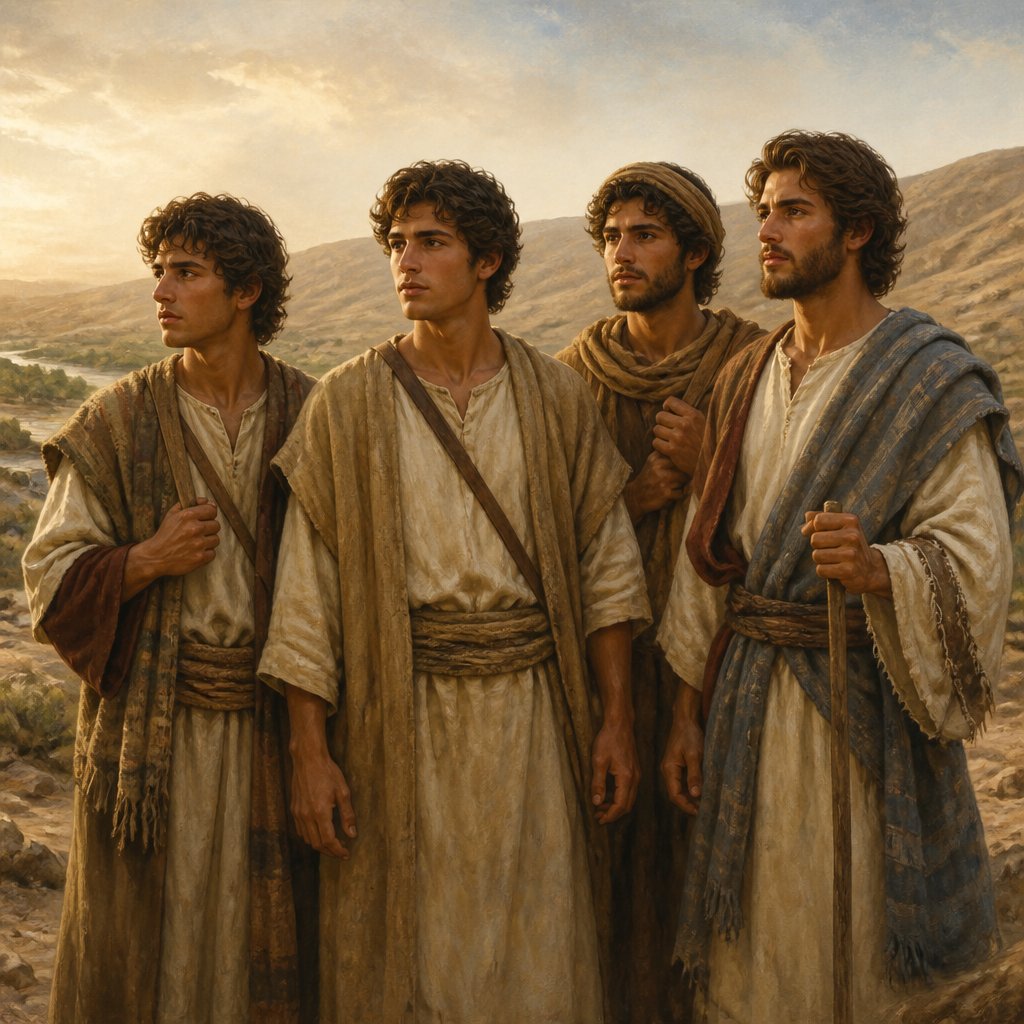
The book of Genesis details the origins of the Hebrew people, and within its chapters, we encounter names that resonate deep within the fabric of biblical history. In Genesis 46:9, we find a simple yet profound listing: "And the sons of Reuben; Hanoch, and Phallu, and Hezron, and Carmi." On the surface, this verse might seem like a mere genealogy, but it invites us to reflect on the meaning and implications of these names and their legacies.
Genealogies can often be overlooked and dismissed as dry recitations, yet they serve a fundamental purpose in the biblical narrative: they connect us to heritage, identity, and the unfolding plan of God. Reuben, the eldest son of Jacob, is emblematic of a diverse lineage filled with blessings, challenges, and intrinsic lessons for each of us. By examining Reuben and his sons, we can glean insights into our own lives and relationships with God.
Firstly, let’s consider Reuben himself. His name means “behold, a son,” indicating a significant moment of joy in a family struggling with issues of favoritism and rivalry. Reuben, as the firstborn, carried the weight of expectation. He was supposed to be the leader, the one who would inherit a double portion of his father’s blessing. However, he was also marked by mistakes, including his inappropriate behavior with Bilhah, his father’s concubine. This act of unfaithfulness would later tarnish his reputation and impact his inheritance. Here lies the first lesson for us: our high calling does not exempt us from faltering. The grace of God covers our shortcomings, urging us to embrace our identity as His children while also pursuing a life of righteousness.
As we turn to the sons of Reuben—Hanoch, Phallu, Hezron, and Carmi—each name carries meaning that sparks reflection. Hanoch signifies dedication. He was presumably devoted, perhaps echoing the need for commitment in our relationships with God and one another. Phallu means “miracle,” reminding us of the wonder of God that often breaks through the mundane. The presence of miracles in our lives testifies to God’s active involvement in our affairs.
Hezron, which means “enclosed” or “protected,” carries a message of safety under God’s watchful eye. It emphasizes that in our spiritual inheritance, we are surrounded by divine protection, even when life’s storms rage. Finally, Carmi, meaning “my vineyard,” speaks of produce, growth, and cultivation. It encourages us to become fruitful in all aspects of our lives, nurturing the gifts God has given us and allowing them to blossom for His glory.
In contemplating these names, we are compelled to ask: what legacy do we want to leave behind? What do we want our children and generations to remember about us? Just as Reuben’s sons were part of a rich lineage, so we too are part of God’s family, called to live lives that exemplify commitment, divine expectation, protection, and fruitfulness.
Moreover, as part of the body of Christ, the names of our communities, families, and churches hold weight. Ultimately, we identify not just with a family tree but with a purpose that extends into eternity; our actions today can influence the legacy that others will inherit.
God's unfolding story in our lives parallels those genealogies in Scripture. We are meant to thrive, to flourish, and to leave behind a legacy worthy of the call we have received. As we consider Reuben and his sons, let us commit ourselves anew to our divine heritage, embracing both the blessings and responsibilities that come from being children of the King. Let our lives reflect the incredible grace, mercy, and purpose that has been entrusted to us. May we indeed become a source of blessing for generations to come.
Get our apps


Artwork for Genesis 46:9

Genesis 46:9 - "And the sons of Reuben; Hanoch, and Phallu, and Hezron, and Carmi."

"And the sons of Reuben; Hanoch, and Phallu, and Hezron, and Carmi." - Genesis 46:9

Genesis 46:23 - "¶ And the sons of Dan; Hushim."

Genesis 24-46

Genesis 46:11 - "¶ And the sons of Levi; Gershon, Kohath, and Merari."

Genesis 46:14 - "¶ And the sons of Zebulun; Sered, and Elon, and Jahleel."

Genesis 46:24 - "¶ And the sons of Naphtali; Jahzeel, and Guni, and Jezer, and Shillem."

Genesis 46:13 - "¶ And the sons of Issachar; Tola, and Phuvah, and Job, and Shimron."

Genesis 46:19 - "The sons of Rachel Jacob's wife; Joseph, and Benjamin."

Genesis 46:22 - "These are the sons of Rachel, which were born to Jacob: all the souls were fourteen."
"¶ And the sons of Dan; Hushim." - Genesis 46:23

Mark 9:46 - "Where their worm dieth not, and the fire is not quenched."

Luke 9:46 - "¶ Then there arose a reasoning among them, which of them should be greatest."

Genesis 46:16 - "¶ And the sons of Gad; Ziphion, and Haggi, Shuni, and Ezbon, Eri, and Arodi, and Areli."

Genesis 46:21 - "¶ And the sons of Benjamin were Belah, and Becher, and Ashbel, Gera, and Naaman, Ehi, and Rosh, Muppim, and Huppim, and Ard."

"¶ And the sons of Issachar; Tola, and Phuvah, and Job, and Shimron." - Genesis 46:13
"¶ And the sons of Naphtali; Jahzeel, and Guni, and Jezer, and Shillem." - Genesis 46:24

"The sons of Rachel Jacob's wife; Joseph, and Benjamin." - Genesis 46:19

Genesis 46:10 - "¶ And the sons of Simeon; Jemuel, and Jamin, and Ohad, and Jachin, and Zohar, and Shaul the son of a Canaanitish woman."

Judges 9:46 - "¶ And when all the men of the tower of Shechem heard that, they entered into an hold of the house of the god Berith."

Genesis 46:2 - "And God spake unto Israel in the visions of the night, and said, Jacob, Jacob. And he said, Here am I."

"¶ And the sons of Levi; Gershon, Kohath, and Merari." - Genesis 46:11

"¶ And the sons of Zebulun; Sered, and Elon, and Jahleel." - Genesis 46:14

"Where their worm dieth not, and the fire is not quenched." - Mark 9:46

Genesis 46:8 - "¶ And these are the names of the children of Israel, which came into Egypt, Jacob and his sons: Reuben, Jacob's firstborn."

Genesis 46:17 - "¶ And the sons of Asher; Jimnah, and Ishuah, and Isui, and Beriah, and Serah their sister: and the sons of Beriah; Heber, and Malchiel."

Genesis 46:18 - "These are the sons of Zilpah, whom Laban gave to Leah his daughter, and these she bare unto Jacob, even sixteen souls."

Genesis 46:28 - "¶ And he sent Judah before him unto Joseph, to direct his face unto Goshen; and they came into the land of Goshen."

Genesis 31:46 - "And Jacob said unto his brethren, Gather stones; and they took stones, and made an heap: and they did eat there upon the heap."

Genesis 46:32 - "And the men are shepherds, for their trade hath been to feed cattle; and they have brought their flocks, and their herds, and all that they have."