The Dawn of Divine Invocation
“And to Seth, to him also there was born a son; and he called his name Enos: then began men to call upon the name of the LORD.” — Genesis 4:26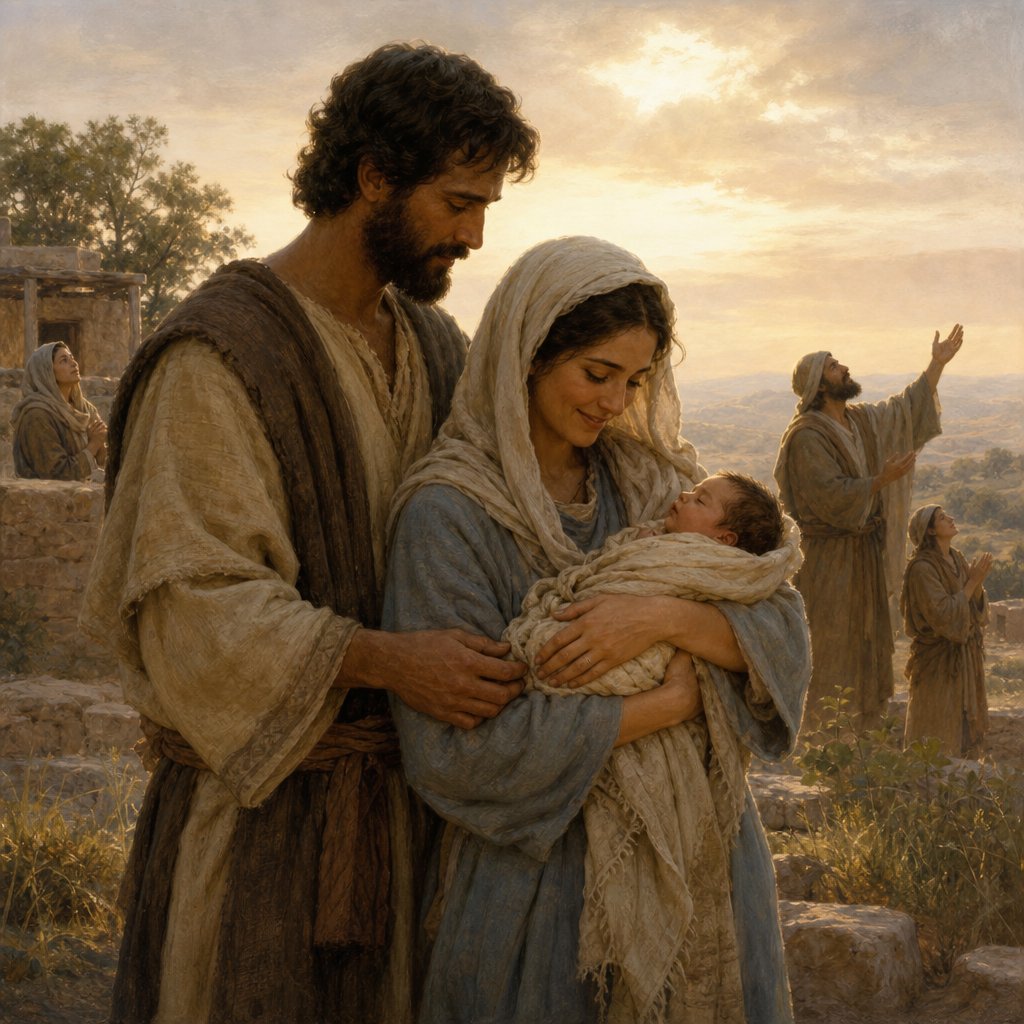
Genesis 4:26 states, "And to Seth, to him also there was born a son; and he called his name Enos: then began men to call upon the name of the LORD." In this seemingly simple verse, we find profound revelations about humanity's relationship with God and the significance of invoking His name.
The context of this moment in Genesis is critical. Seth is the third son of Adam and Eve and is recognized as the appointed successor to Abel, who was murdered by Cain. This detail is essential because it highlights the restoration of righteousness after the grievous acts that marred creation. Adam and Eve, having experienced loss and the degradation of the human spirit, must have yearned for a way to reconnect with the divine. Seth’s birth is not just the birth of another son; it is the birth of hope for mankind and the continuity of God’s covenant promise.
The name Enos, which Seth gave to his son, carries significant weight. In Hebrew, ‘Enos’ means ‘man’ or ‘mortal.’ This starkly contrasts with the divine nature of God and serves as a reminder of human frailty. Hence, when Enos is born, it symbolizes a recognition of human vulnerability—a turning point where man acknowledges his need for the Divine.
This moment, "then began men to call upon the name of the LORD," signifies a cultural shift—a movement from a life marked by sorrow, murder, and loss to one where people start seeking God actively. The act of calling upon the Lord indicates the initiation of personal and collective prayer. It marks the beginning of a new practice, an outward expression of faith that signifies the longing for a relationship with God. These early men were not merely uttering God’s name; they were entering into communion with Him, expressing dependence, worship, and hope.
The phrase “call upon the name of the LORD” raises important theological implications for us today. When we call upon the Lord, we are recognizing His sovereignty, love, and power. To call upon His name is to acknowledge that He is our refuge and strength, our source of comfort and wisdom. It transcends mere recitation; it is an invocation of His presence and an appeal for His intervention in our lives.
In the journey of spiritual growth, calling upon the name of the LORD signifies the importance of prayer in our lives. It reflects our recognition of God as a personal deity—one who desires to be intimately involved in our lives. Just as Seth’s generation began to reach out to God, we are called to do the same.
Moreover, this verse unveils a community of faith. The ‘men’ who began to call upon the name of the LORD were likely not doing so in isolation. They were forming a collective, a community of believers. It beckons us to think of our role within the body of Christ today—how we, too, can cultivate a culture of prayer and faith not just individually, but collectively. As members of a community, our ability to invoke God's name can carry significant spiritual influence, encouraging those around us to seek Him earnestly.
As we reflect on Genesis 4:26, let us embrace the call to invoke the name of the Lord in our daily lives. Let our prayers be rooted in our understanding of God's nature as our Creator and Savior. Individuals and communities alike must strive to cultivate an environment where invoking His name is commonplace—a place where worship and supplication flow naturally.
In conclusion, Genesis 4:26 offers us a rich well of insight into the early relationship between humanity and the Divine. It encourages us not only to embrace prayer in our lives but to recognize its communal power. May we learn from Seth and Enos that in our calling upon the Lord, we find hope, unity, and the assurance of God’s presence in our midst.
Get our apps


Artwork for Genesis 4:26

Genesis 4:26 - "And to Seth, to him also there was born a son; and he called his name Enos: then began men to call upon the name of the LORD."
"And to Seth, to him also there was born a son; and he called his name Enos: then began men to call upon the name of the LORD." - Genesis 4:26

Genesis 26:4 - "And I will make thy seed to multiply as the stars of heaven, and will give unto thy seed all these countries; and in thy seed shall all the nations of the earth be blessed;"

Genesis 1:26

Genesis 1:26

Genesis 1:26

Genesis 1:26

Genesis 24-26

Genesis 26:35

Genesis 50:26

Genesis 26:25

Genesis 21-26

Genesis 25-26

Genesis 50:26

Genesis 19-26

Genesis 26:29

Genesis 50:26

Genesis 18-26

Genesis 26:18

Genesis 50:26

Genesis 26:9

Genesis 17-26

Genesis 26 1 famine

Genesis 26:6 - "¶ And Isaac dwelt in Gerar:"

genesis 26:1-35

Genesis 26:26 - "¶ Then Abimelech went to him from Gerar, and Ahuzzath one of his friends, and Phichol the chief captain of his army."

Genesis 42:26 - "And they laded their asses with the corn, and departed thence."

Genesis 36:26 - "And these are the children of Dishon; Hemdan, and Eshban, and Ithran, and Cheran."

Genesis 10:26 - "And Joktan begat Almodad, and Sheleph, and Hazarmaveth, and Jerah,"

Genesis 26:23 - "And he went up from thence to Beer-sheba."