What does Genesis 4:26 mean?
“And to Seth, to him also there was born a son; and he called his name Enos: then began men to call upon the name of the LORD.” — Genesis 4:26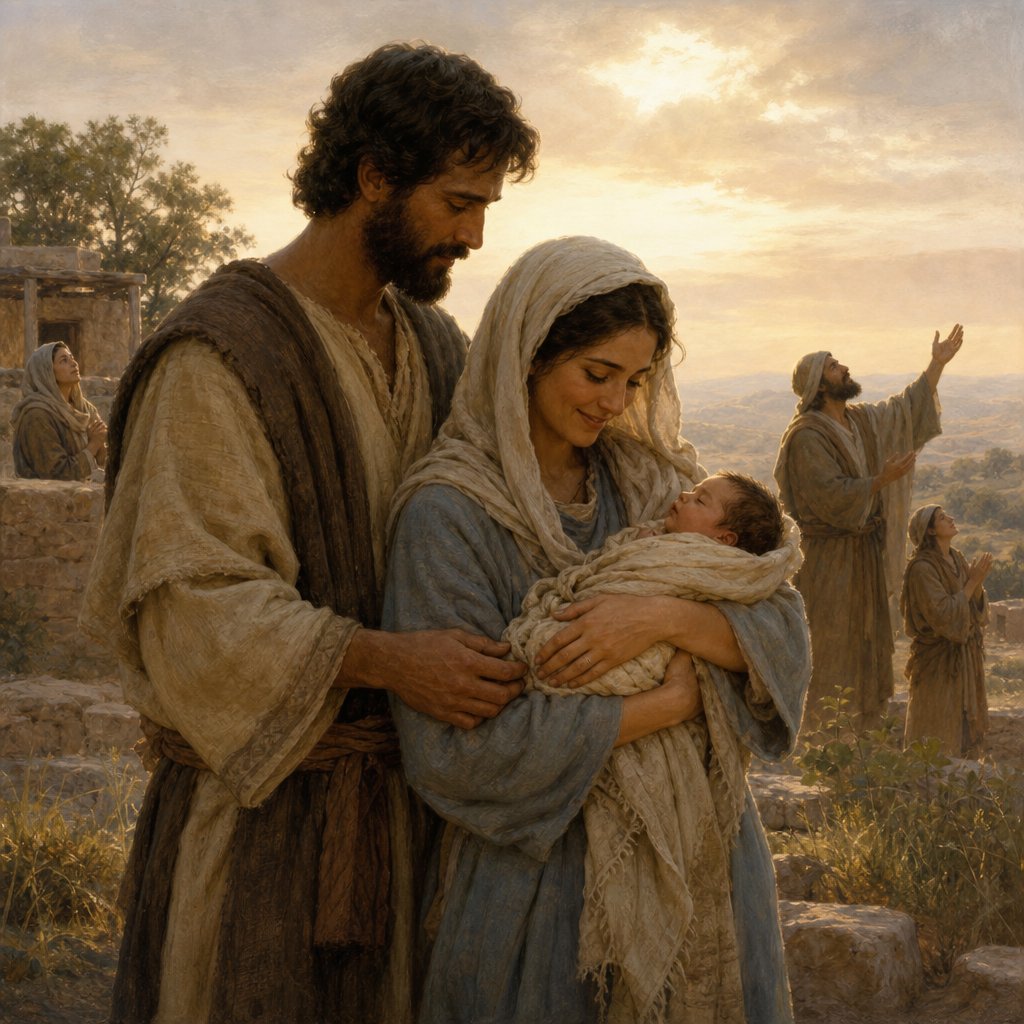
Genesis 4:26 in the King James Version of the Bible reads, "And to Seth, to him also there was born a son; and he called his name Enos: then began men to call upon the name of the Lord." This verse is located in the early chapters of the book of Genesis, which is the first book of the Bible. It follows the story of Adam and Eve, their children Cain and Abel, and their descendants.
The verse specifically refers to the birth of Enosh, the son of Seth, and it marks the beginning of humanity seeking a relationship with God. This verse is significant in understanding the trajectory of humanity's spiritual journey and its turning towards faith and worship.
In its historical context, Genesis 4:26 takes place after the tragic events of Cain's murder of his brother Abel. Cain had been cursed and sent away by God, and Adam and Eve had another son named Seth to replace Abel. Seth's descendants are then listed, leading up to the birth of Enosh. This verse provides a transition from the strife and consequences of sin in the previous chapters to the hopeful beginnings of calling upon the name of the Lord.
The theme of spirituality and worship is central to Genesis 4:26. It marks the point in human history where people began to recognize the importance of seeking God and developing a relationship with Him. This reflects the innate desire of humanity to connect with a higher power and understand their purpose in the world. The act of calling upon the name of the Lord signifies a deepening of faith and a commitment to spiritual practice.
Symbolically, the birth of Enosh and the subsequent calling upon the name of the Lord symbolize a new beginning for humanity. It represents a shift towards a more intentional and meaningful relationship with God, as opposed to the earlier generations who may have been more distant or indifferent in their faith. This idea of renewal and restoration is a recurring theme in the Bible, and Genesis 4:26 sets the stage for the ongoing narrative of God's redemptive plan for humanity.
The verse also serves as a reminder of the importance of passing down faith and spiritual values from one generation to the next. The lineage of Seth, including the birth of Enosh, demonstrates the continuation of the family's commitment to God and their desire to cultivate a relationship with Him. This concept of generational faithfulness is a significant aspect of many biblical stories, emphasizing the responsibility of parents and elders to teach and model faith for their children and communities.
The language used in Genesis 4:26 also carries a sense of reverence and devotion. The act of "calling upon the name of the Lord" implies a deep sense of worship and acknowledgment of God's authority and presence. It signifies a turning towards God in times of need, thanksgiving, and praise. This expression of faith is a foundational aspect of many religious traditions and serves as a model for believers to approach God with humility and obedience.
In conclusion, Genesis 4:26 holds great significance in the overall biblical narrative. It marks a pivotal moment in human history, where the act of calling upon the name of the Lord symbolizes a renewed commitment to faith and worship. This verse serves as a reminder of the human inclination towards spiritual connection and the importance of passing down faith from generation to generation. It sets the stage for the ongoing story of God's redemptive plan for humanity and highlights the timeless theme of humanity's search for meaning, purpose, and relationship with the divine.
Get our apps


Artwork for Genesis 4:26

Genesis 4:26 - "And to Seth, to him also there was born a son; and he called his name Enos: then began men to call upon the name of the LORD."
"And to Seth, to him also there was born a son; and he called his name Enos: then began men to call upon the name of the LORD." - Genesis 4:26

Genesis 26:4 - "And I will make thy seed to multiply as the stars of heaven, and will give unto thy seed all these countries; and in thy seed shall all the nations of the earth be blessed;"

Genesis 1:26

Genesis 1:26

Genesis 1:26

Genesis 1:26

Genesis 24-26

Genesis 26:35

Genesis 50:26

Genesis 26:25

Genesis 21-26

Genesis 25-26

Genesis 50:26

Genesis 19-26

Genesis 26:29

Genesis 50:26

Genesis 18-26

Genesis 26:18

Genesis 50:26

Genesis 26:9

Genesis 17-26

Genesis 26 1 famine

Genesis 26:6 - "¶ And Isaac dwelt in Gerar:"

genesis 26:1-35

Genesis 26:26 - "¶ Then Abimelech went to him from Gerar, and Ahuzzath one of his friends, and Phichol the chief captain of his army."

Genesis 42:26 - "And they laded their asses with the corn, and departed thence."

Genesis 36:26 - "And these are the children of Dishon; Hemdan, and Eshban, and Ithran, and Cheran."

Genesis 10:26 - "And Joktan begat Almodad, and Sheleph, and Hazarmaveth, and Jerah,"

Genesis 26:23 - "And he went up from thence to Beer-sheba."